
A misfire on one cylinder can make a fuel injector seem like the obvious culprit. But a spark plug, ignition coil, wiring fault, or compression problem can cause the same thing. The pattern of the symptoms and the test results matter more than the symptom alone.
Here are the signs that can point to a bad or clogged fuel injector, what else to check, and how to confirm the problem before replacing parts.
Fuel injector symptoms
1. Check Engine Light or a cylinder misfire
A faulty injector can trigger the Check Engine Light, often along with a misfire code for one cylinder. However, a code such as P0301 identifies a misfire on cylinder 1. It does not prove the injector is the cause. A spark plug, coil, wiring, or compression problem can also set a cylinder misfire code.
Save the codes and freeze-frame data before clearing them. See our guide to Check Engine Light diagnosis.
2. Engine misfire, hesitation, or loss of power
An injector that delivers too much, too little, or no fuel can disrupt combustion in its cylinder. You may feel the engine stumble, hesitate while accelerating, or lose power. These symptoms are not unique to injectors, so check the ignition system and fuel pressure before replacing one.
A persistent misfire can damage the catalytic converter. If the Check Engine Light is flashing or the engine is shaking badly, reduce driving and arrange a diagnosis promptly. Learn more about engine misfire symptoms and causes.
3. Rough idle, vibration, or stalling
An uneven fuel supply can make the engine shake or idle roughly. In more severe cases, the engine may stall, particularly when idling or coming to a stop. A vacuum leak, worn spark plugs, a faulty coil, or low fuel pressure can create similar symptoms.
If the engine runs roughly across several cylinders, check for a system-wide issue such as low fuel pressure. If one cylinder is affected, test that cylinder’s ignition, wiring, and compression as well as its injector.
4. Hard starting
An injector that is clogged, leaking, or not opening correctly can make the engine harder to start. The cause could also be a weak battery, a fuel-pressure problem, or an ignition fault. Note whether the problem occurs on every start, only after the vehicle sits, or only when the engine is cold.
5. Poor fuel economy
A leaking injector or one that delivers too much fuel can lower fuel economy. A restricted injector may also affect engine performance and fuel control. Before blaming the injectors, check for other common causes, such as low tire pressure, a dragging brake, or an engine running too rich.
6. Strong fuel smell, smoke, or failed emissions test

A strong raw-fuel smell can come from an injector that leaks externally or does not seal properly. Unburned fuel from a misfire may also create a fuel smell in the exhaust. Black smoke or a failed emissions test can indicate an overly rich mixture, but neither symptom identifies the injector by itself.
If you see wet fuel or smell strong raw fuel in the engine bay, shut off the engine, keep away from flames or sparks, and arrange an inspection. Do not keep driving with a visible fuel leak. Fuel-system pressure and safety procedures vary by vehicle.
7. Visible fuel leak near an injector
Fuel around an injector, fuel rail, or connecting line needs immediate attention. The leak may come from a damaged injector or seal, but another fuel-system component could be responsible. Turn off the engine and have the leak repaired before driving again.
What does a fuel injector do?
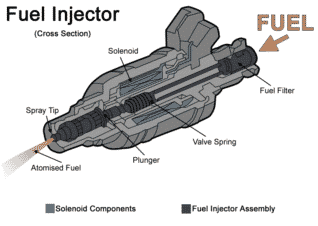
A fuel injector meters and sprays fuel into the engine. In port-injected engines, it sprays into the intake port. Gasoline direct-injection and diesel systems spray fuel directly into the combustion chamber and operate at much higher pressures. Diagnosis and repair procedures depend on the type of system.
How to diagnose a bad fuel injector
A misfire code can point you toward a cylinder, but testing is needed to find the cause. A useful diagnosis checks the injector alongside the ignition, wiring, fuel pressure, and compression.
- Read and record the codes. Use a compatible OBD-II scanner to check for misfire, injector-circuit, fuel-trim, and fuel-pressure codes. Record freeze-frame data before clearing anything.
- Check for a fuel leak first. Inspect the injector area, fuel rail, and visible connections without touching or loosening pressurized lines. If you see wet fuel or smell strong raw fuel, stop and arrange a professional inspection.
- Identify which cylinder is affected. Use scan-tool misfire data and the vehicle’s diagnostic procedure. A cylinder-specific misfire can narrow the search, but it does not confirm that the injector is bad.
- Check other causes of the misfire. Inspect the spark plug and ignition coil on gasoline engines. Check wiring and connectors, and test compression when needed. A fuel-pressure problem can affect several cylinders at once.
- Test the injector using the manufacturer’s procedure. Depending on the system, a technician may check the electrical circuit, injector balance, fuel pressure, spray pattern, or leakage. Some injectors need to be removed and bench-tested.
- Verify the repair. After the confirmed fault is repaired, clear the codes and repeat the checks under similar conditions. Confirm that the misfire data is normal, there are no fuel leaks, and the original symptom does not return.
Gasoline direct-injection and diesel systems can use extremely high fuel pressure. Do not loosen a fuel line or try to check injector spray with the engine running. Follow the vehicle’s service information or have a qualified technician perform the test. DENSO describes the high pressures involved in modern injection systems.
Can fuel injector cleaner fix a bad injector?
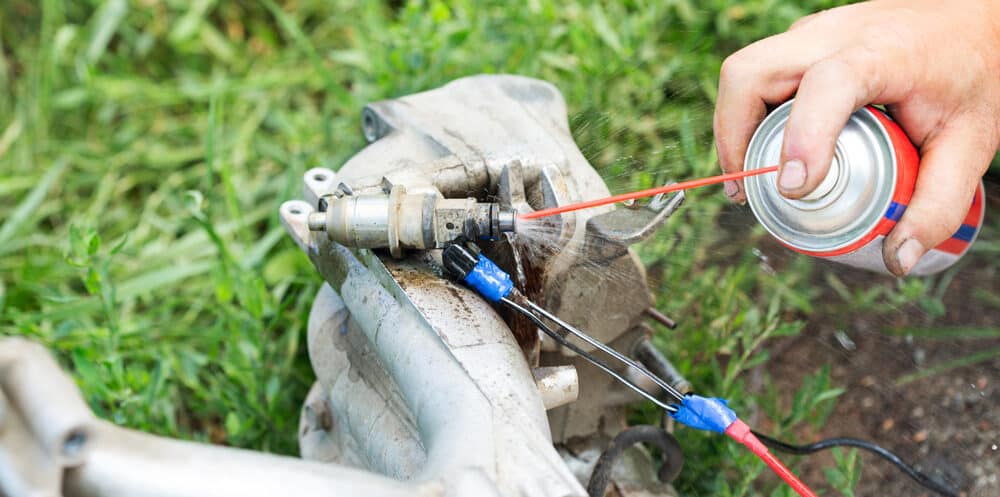
An approved fuel additive may help with some deposits in compatible gasoline systems. It will not repair an electrical fault, a leaking or damaged injector, or a severe blockage. Check the owner’s manual and product instructions, and do not use cleaner as a substitute for testing.
Professional cleaning may help in some cases, but the injector should be tested first. If it fails an electrical, flow, or leak test, replacement may be needed.
Where are fuel injectors located?
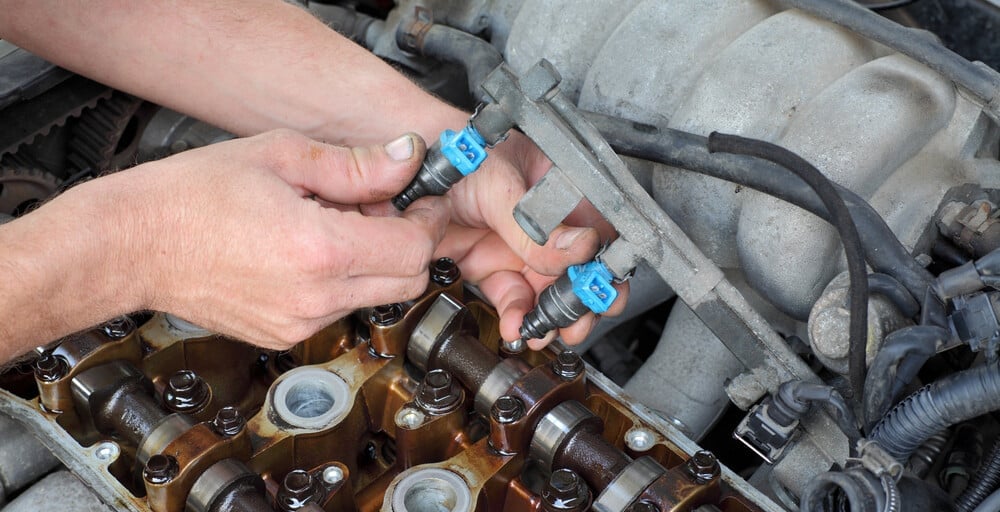
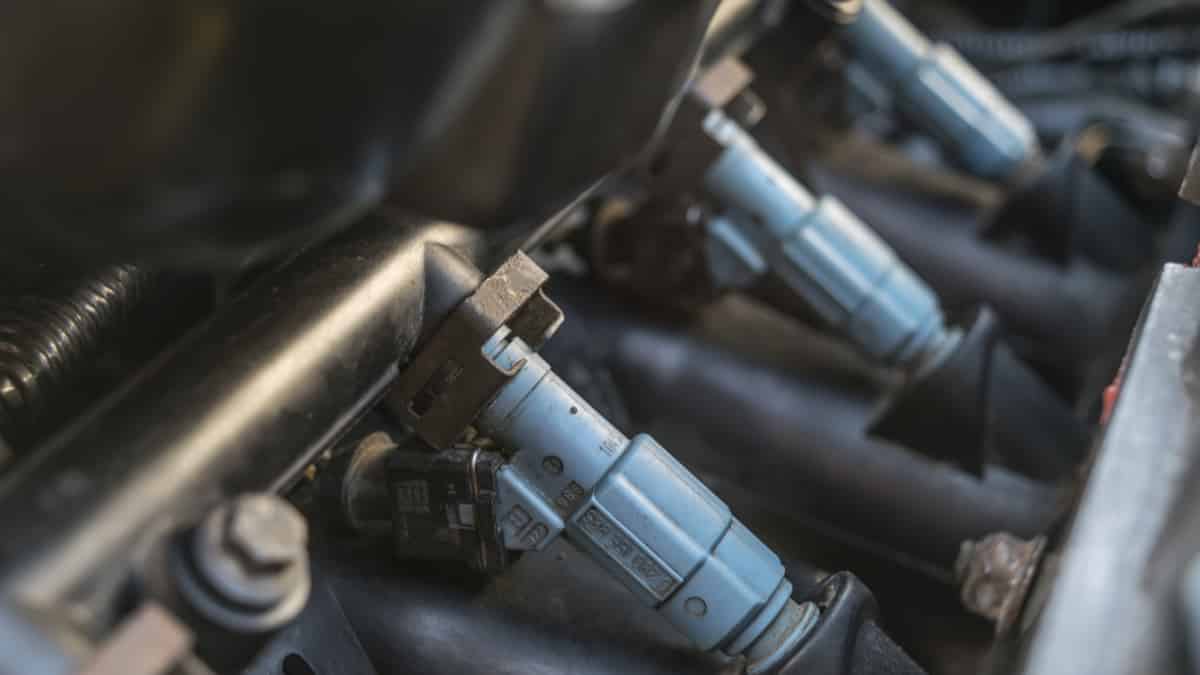
Port fuel injectors are usually mounted near the intake ports, often under the fuel rail. Gasoline direct-injection and diesel injectors enter the cylinder head. The exact location and access depend on the engine.
Fuel injector replacement cost
The average fuel injector replacement costs about $768 to $953 in the U.S., including parts and labor, according to RepairPal. The actual price depends on the vehicle, injector type, number of injectors replaced, and access. Diesel and direct-injection repairs can cost more. Ask for a quote for your exact year, make, model, and engine.