

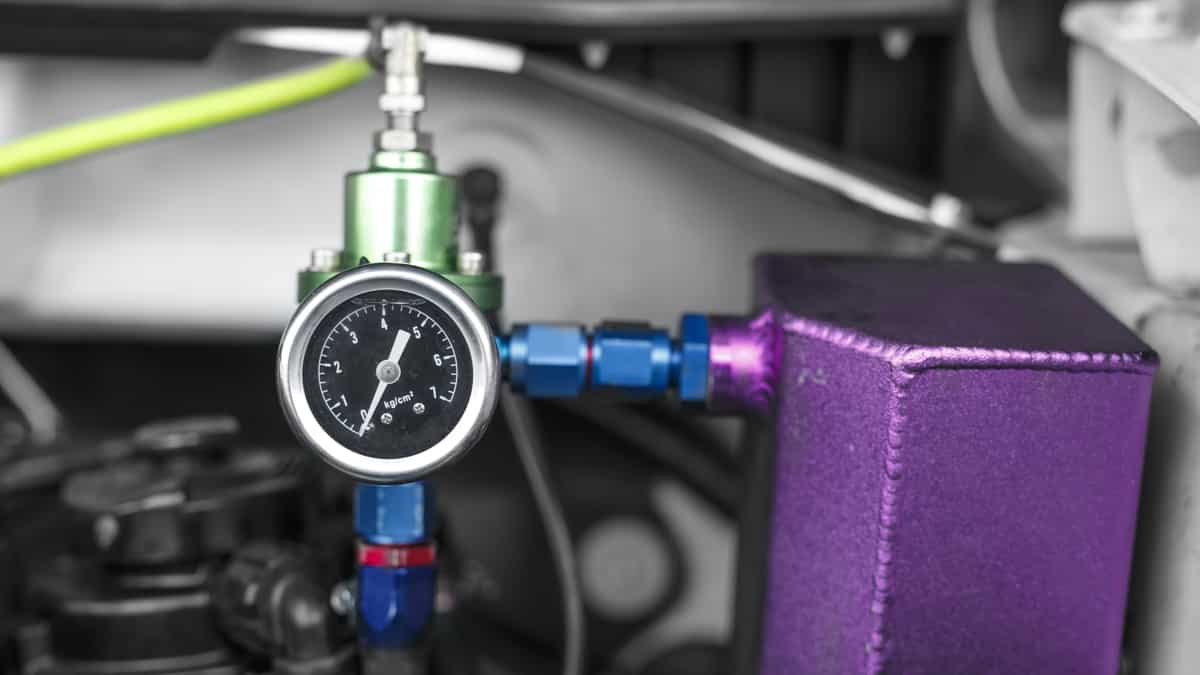
A vehicle requires proper fuel delivery to its engine to function properly. At least 4 components make up a vehicle’s fuel system, including the fuel pump, fuel pressure sensor, fuel rail, and the ECU, which monitors everything.
Naturally, if the pressure is not according to the manufacturer’s recommendations, you will experience little to no response from the car’s engine. So, what are the symptoms of low fuel pressure?
In this article, we will discuss the different symptoms that arise from low fuel pressure and the causes of it. Let’s take a quick look at the common signs you may notice if the fuel pressure is low.
In This Article:
What Are The Symptoms Of Low Fuel Pressure?
The most common symptom of low fuel pressure is an unresponsive throttle or a stalling engine. You may also notice signs like difficulty starting the car, a check engine light on the dashboard, misfires, or low performance.
It is very important that you have the right fuel pressure so that your engine can achieve the correct air/fuel ratio. As you can see, there are many issues that can result from low fuel pressure. Here is a more detailed list of the signs of low fuel pressure to look out for:
1. Unresponsive Throttle
All cars require proper fuel delivery to their cylinders for them to run properly. If you feel any lags in your car’s pickup, there is a big chance that there is something wrong with your car engine’s fuel pressure.
2. Difficulty Starting the Car

Low fuel pressure will also make it hard for you to ignite your car’s engine. At the starting moment, the car requires a lot of fuel, and if it is not getting the right amount of fuel, it will probably not start.
You might feel like it takes longer to start your car, or maybe it takes more than one try for a successful ignition. You might also hear some spluttering while trying to start your car.
3. Stalling Engine
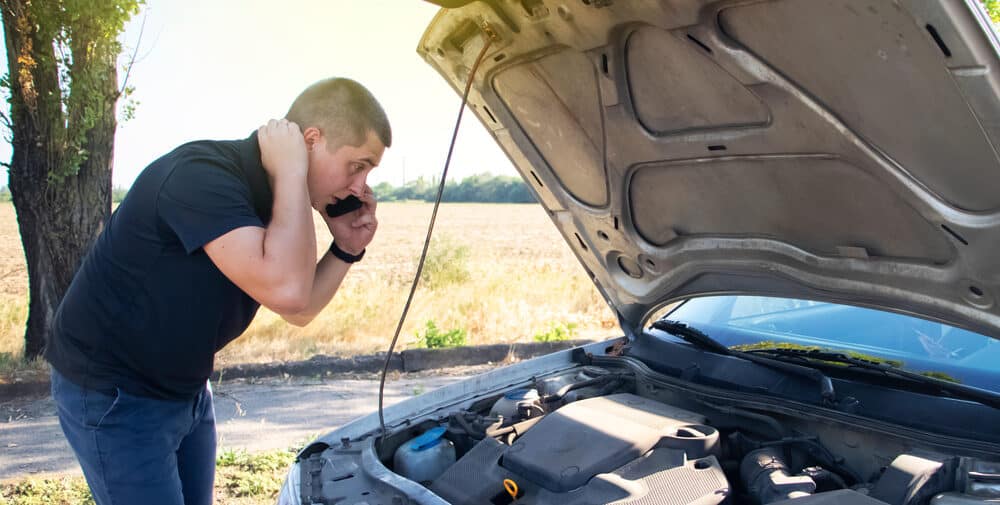
If your car’s engine stalls while running or at idle, it is a clear sign you are having some problems with your fuel pressure. This may be due to fluctuations and sudden drops in the fuel pressure.
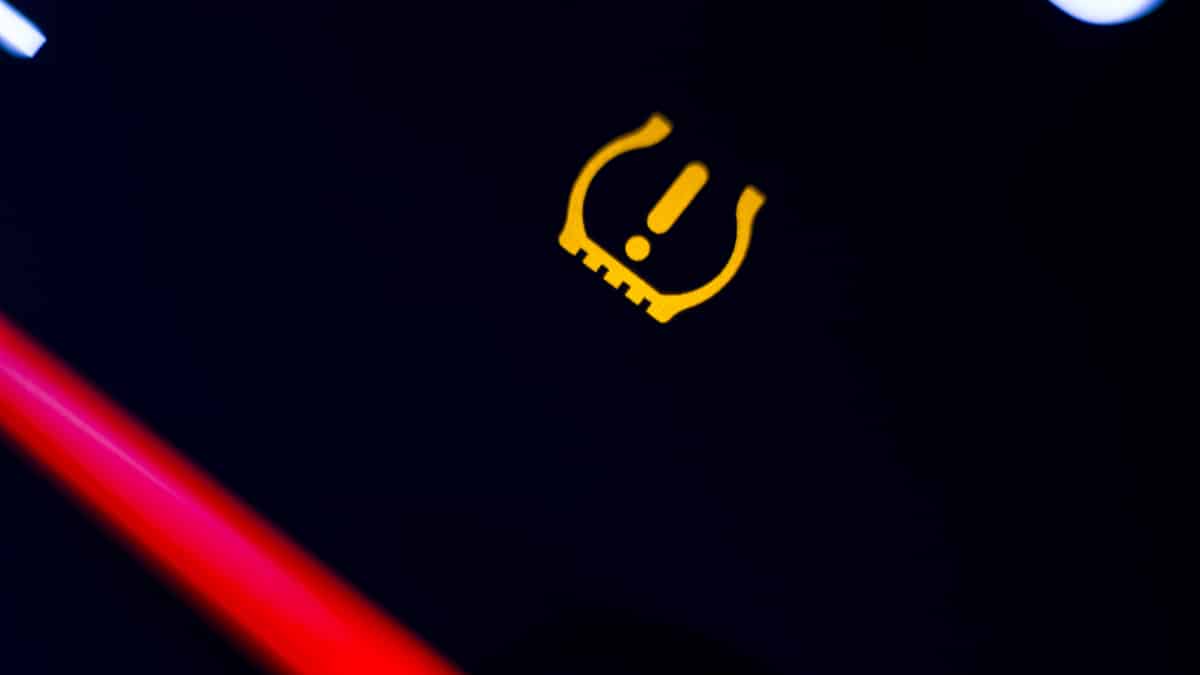
4. Check Engine Light Comes to Life
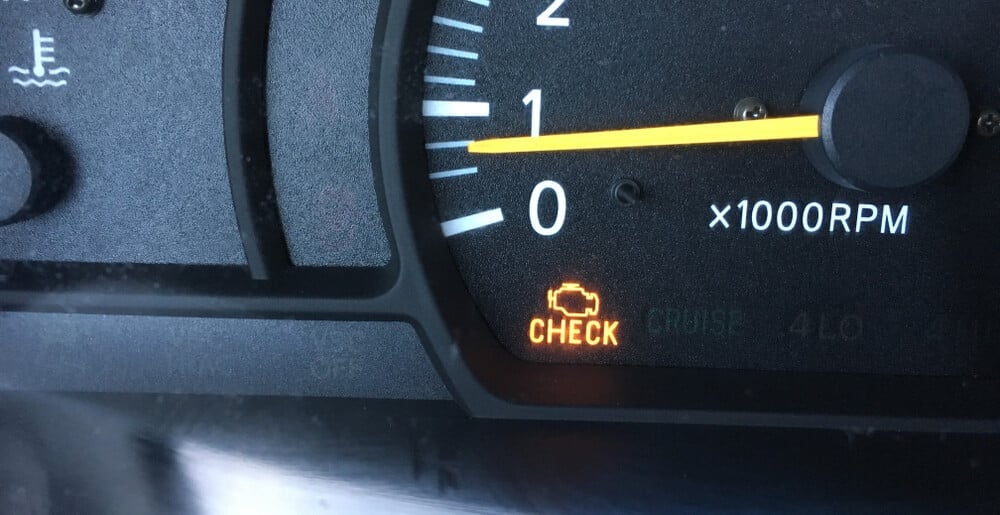
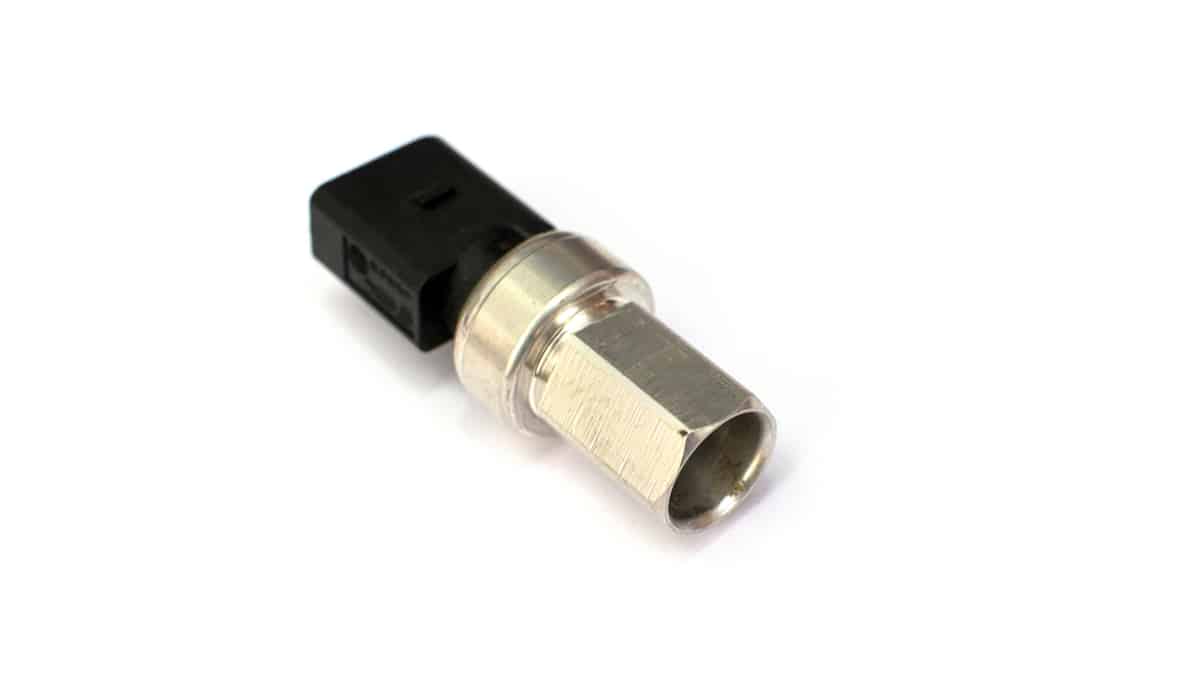
Today’s electronic cars have a fuel pressure sensor that intelligently calculates if anything is going wrong with the fuel pressure.
Generally, with such a problem, you will get a P0190 code accompanying your problem. If the check engine light occurs, you should read the trouble codes with a diagnostic scanner to determine the problem.
5. Turbo Lag
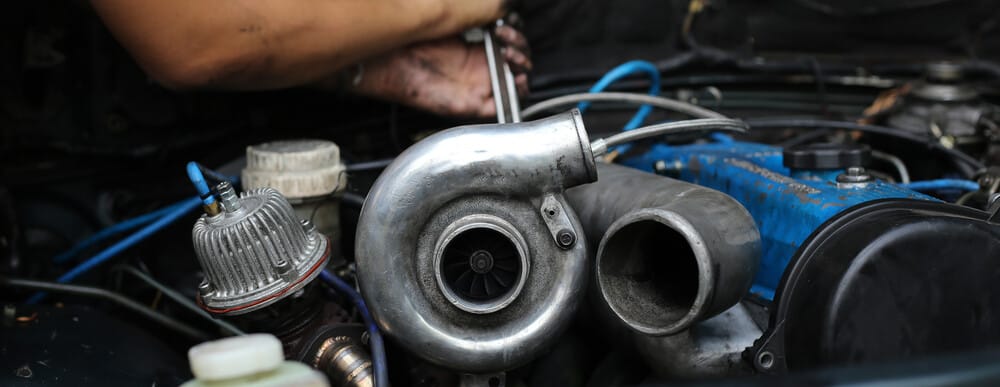
Many people might not have turbos in their cars, but those who do have another way of knowing if there’s something wrong with their fuel pressure.
The turbo system uses air and pressurizes it to create a turbine-like effect on the engine, allowing it to create more power.
However, if you feel your turbo is taking too long to spool, there might be something wrong with your fuel pressure.
6. Misfires
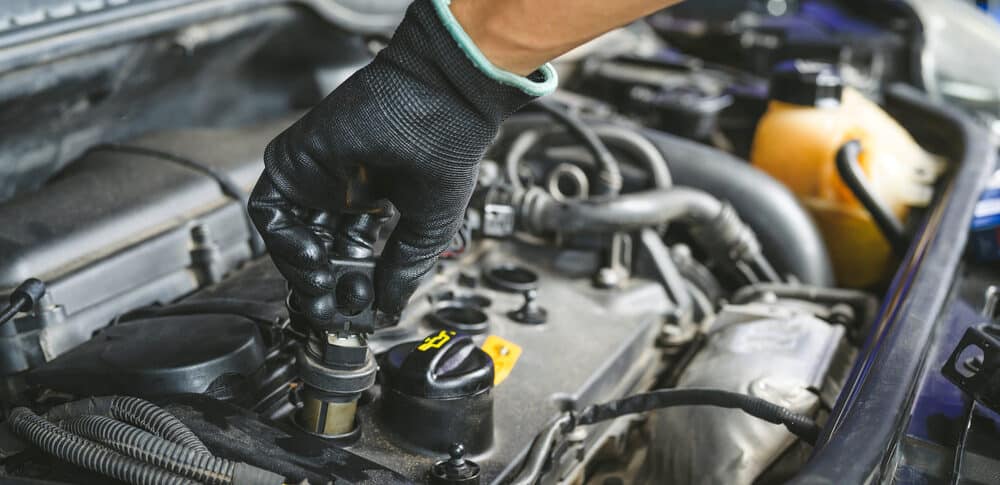
Low fuel pressure in the fuel system will cause an off-balance air/fuel mixture and that, in turn, causes weak combustion. This can be felt as misfires on acceleration or even at idle.
Fortunately, the fuel system in a car requires only minor tweaks. Sometimes the problem is minor, and at times, it can be huge.
7. Low Performance
The most common symptom of low fuel pressure is a wrong air/fuel mixture, which will cause your car’s performance to drop drastically.
If you feel that your car’s performance is much worse than it usually is, it is time to check your fuel pressure.
6 Causes of Low Fuel pressure
The most common causes of low fuel pressure are a clogged oil filter or a bad fuel pump. It can also be caused by a bad fuel pressure regulator, a stuck fuel injector, a fuel pressure sensor, or a smashed fuel pressure line.
Here is a more detailed list of the most common causes of low fuel pressure:
1. Clogged Fuel Filter
The fuel filter cleans the fuel entering the engine. The fuel filter should be replaced at regular intervals, and if you have not changed it for a long time, it could be that you have a clogged fuel filter causing low fuel pressure.
2. Bad Fuel Pump
A bad fuel pump is probably the most common cause of low fuel pressure. Sometimes the fuel pump slows down or becomes internally damaged, and when this happens, it isn’t able to push enough fuel to the engine, causing low fuel pressure.
3. Bad Fuel Pressure Regulator
The fuel pressure regulator controls the fuel pressure in the fuel rail. If there is something wrong with the fuel pressure regulator, it can create too low or too high fuel pressure in the rail. The fuel pressure regulator doesn’t fail very often, but it is still worth checking to see if it might be causing your problem.
4. Stuck Fuel Injector
If one of the fuel injectors is damaged and stuck open, this can cause a low fuel pressure in the rail. You will often notice this by misfire codes on a specific cylinder at the same time.
5. Bad Fuel pipe Line
If you have been driving on a bumpy road or offroad for a while, there is a risk that you have hit a stone or something similar.
The fuel pipes under the car are often made out of steel or aluminum, and if you hit a stone, there is a risk that these become compressed – which will, in return, result in low fuel pressure.
6. Fuel pressure sensor
The fuel pressure sensor feels the pressure in the fuel rail. Some cars have electric fuel pressure regulators, which are controlled by the fuel pressure sensor.
If your fuel pressure sensor reads the wrong pressure, it might trick the fuel pressure regulator into releasing the fuel pressure.
Fuel Pressure Testing
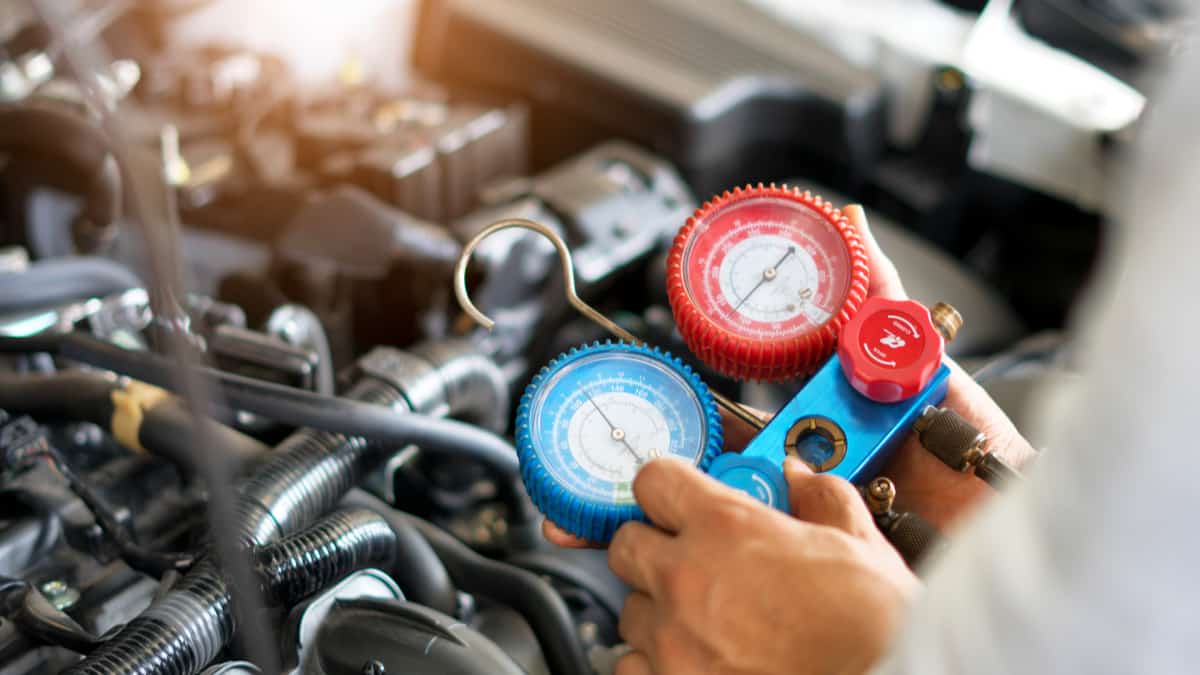
To test the fuel pressure in the fuel rail, you need a fuel pressure gauge and a few other parts to attach it to the rail. Then you need to find the correct fuel pressure specifications for your car model and check to see if the fuel pressure is the same as it should be.
Can you drive with low fuel pressure?
No. It’s not advisable to drive with low fuel pressure because it can cause damage to your engine. If the fuel pressure gets too low, it will starve the engine of fuel and cause it to stall. If your engine is not getting enough fuel, it will cause heat in the pistons, which can damage your engine severely.
How do you increase fuel pressure?
Other than repairing the problem causing the low fuel pressure, there aren’t many ways to increase fuel pressure on modern cars without replacing some parts. If you want to increase the fuel pressure, you will need to install an aftermarket adjustable fuel pressure regulator.
How do I check if my fuel filter is clogged?
There is no good way to check if your fuel filter is clogged other than a visual inspection and checking to see if the fuel inside is dirty. However, fuel filters are cheap and if you suspect your fuel filter is clogged, replace it!
Will low fuel pressure cause no start?
Yes. Low fuel pressure can cause your car not to start. During the startup moment, the engine requires a lot of fuel, and if it cannot provide it due to low fuel pressure, your engine will not start.

Low pressure in fuel rail, had 4 injectors in. 1.6 tdi 72’000 miles Glow plug light flashes he’s goes into limp mode
hi. i own a 2006 impreza wagon r, 2.0l non turbo. i had a p0328 error code, which led me into changing the knock sensor. however after the new sensor was installed the same code appeared and the engine behavior hasn’t changed. I thought the code might be due to poor fuel pressure making the engine to really knock. any thoughts on this? thanks
My motorhome ran fantastic for about 10 miles. Then, when I tried to accelerate, I lost power and could only get to 30 mph before it would backfire, spit and sputter. It turned out to be the person who changed the filter damage the fuel line with a small leak. Couldn’t see fuel on the ground, but it caused less fuel getting to injectors causing my issues. Replaced fuel line.
I’ve had this faithful rig since 2007. Never had it left me stranded or confused. It is now in its 3rd mechanic shop leaving them all scratching their heads. December 2018 I took it to get a Christmas tree, it started up and ran as usual but then about half way to my destination it acted as though it was struggling for fuel. Very chuggy rough driving. I got to my destination shut it down, went and cut our tree. Started it back up, it idled ok so I continued down the hill. Once I got on the highway I really had to apply the gas, this was only about 5 miles from home. I got home, parked it, a few days later I had it towed to the first mechanic shop. He told me I had melted my catalytic converters. I had him replace them. He had it in his shop for about a month. He changed, also, the TPS. He returned my car and said it’s still a little hesitant but should be good to drive and suggested that I change the MAF. I did that. No change! Off to the second mechanic, full diagnosis, the first mechanic never replaced the O2 sensors so they were replaced, this mechanic said my MAF was reading high and low voltages, he also found that my check engine light was now disconnected? After about 2 months he returned my car and said try a new ECM. Easy plug n play so I replaced it. Nooooooo change. It’s now been towed to the third mechanic. They found 55# pressure at the fuel pump but significantly dropped to 34# at the regulator. They’ve had it for about 3 months and are also scratching their heads but don’t want to give up. Any ideas are much appreciated. Outside of taking it to a dealership. Sorry for the long thread
i nave this vw 2007 passat 2.0T that vehicle has been to serval repair shop spend a lot $$$ on this vehicle wich code are p088A that come for low fuel pressure shoul i replece fuel pump even the car run ok
First, make sure that the fuel pressure sensor is correct. Check the fuel pressure with a manual fuel pressure gauge to figure out if you can find any problems with the pressure. If so check fuel pressure regulator. Could also be a faulty fuel injector which is injecting too much fuel which is causing the pressure to get too low, but the car would smoke a lot. It could, of course, be the fuel pump or the fuel filter also. A real diagnostic troubleshooting is required here!
Toyota Tacoma rough idle black smoke when it warms up. New plugs,wires,fuel filter. Coil packs,egr valve,poor fuel mileage. Is this a fuel pressure problem?
It could be, But check for any intake leaks.
Also check the trouble codes in the engine control unit with an OBD2 scanner, which might give you an idea of the fault 🙂
i still have an code for the fuel pressure sensor after replacing sensor.and replacing cam follower in fuel pump on a vw golf mk5 1.6
Would it be an blocked fuel filter or ???
Take longer to crank