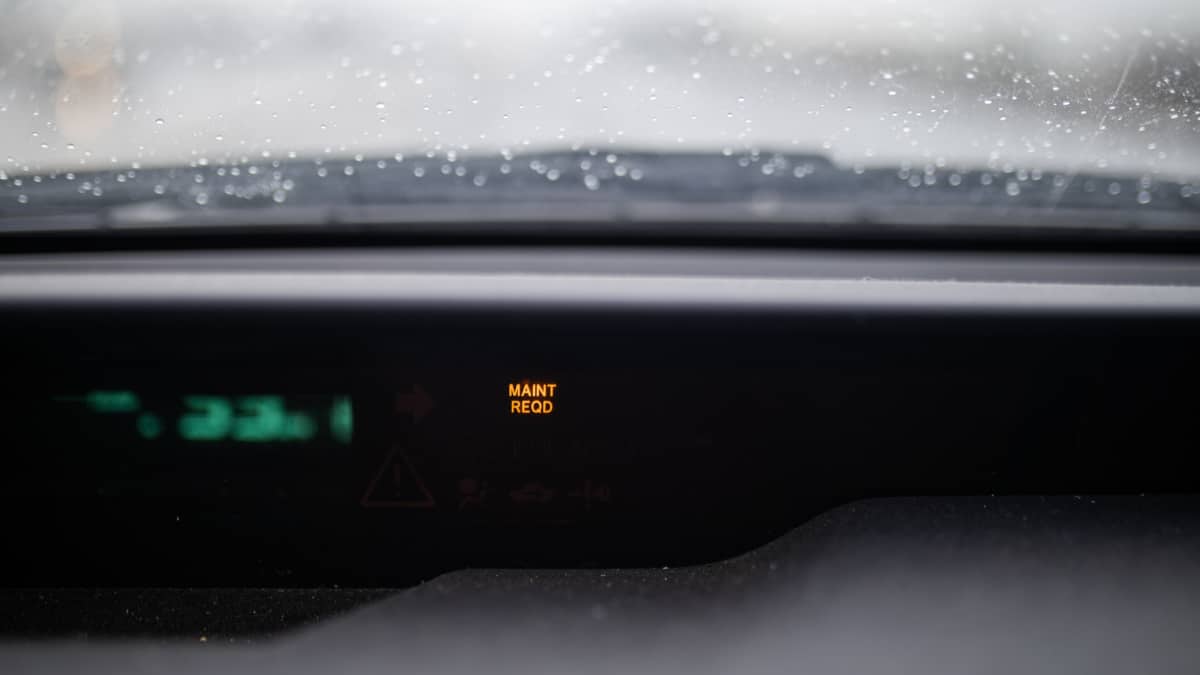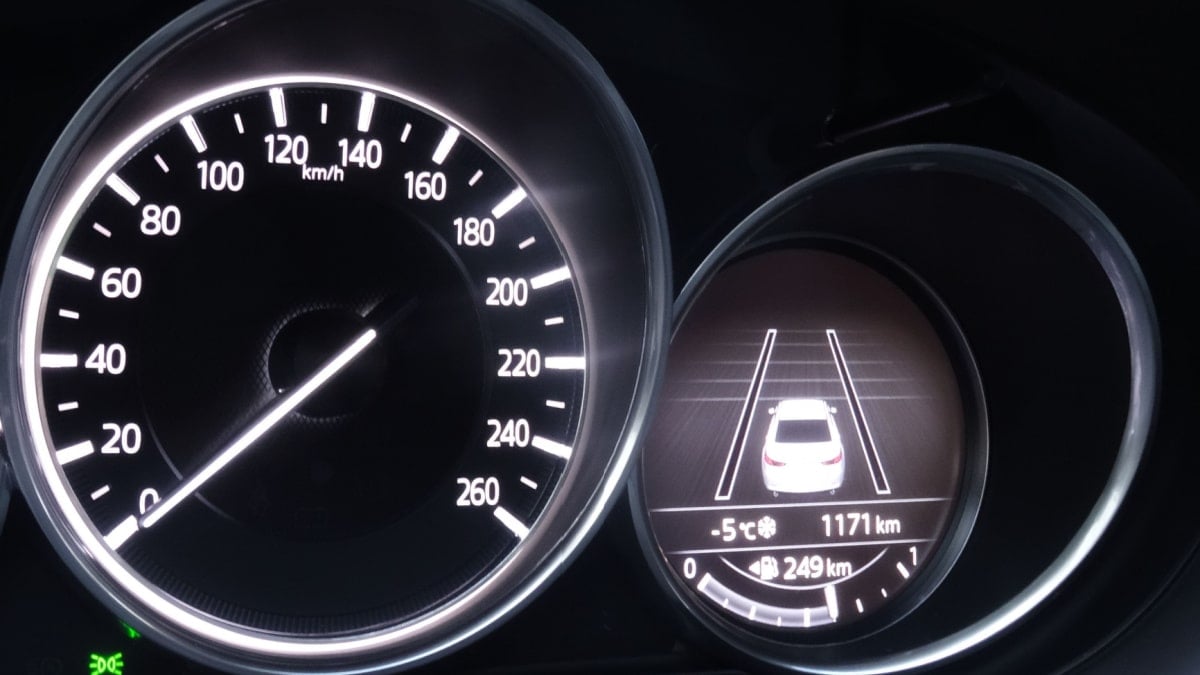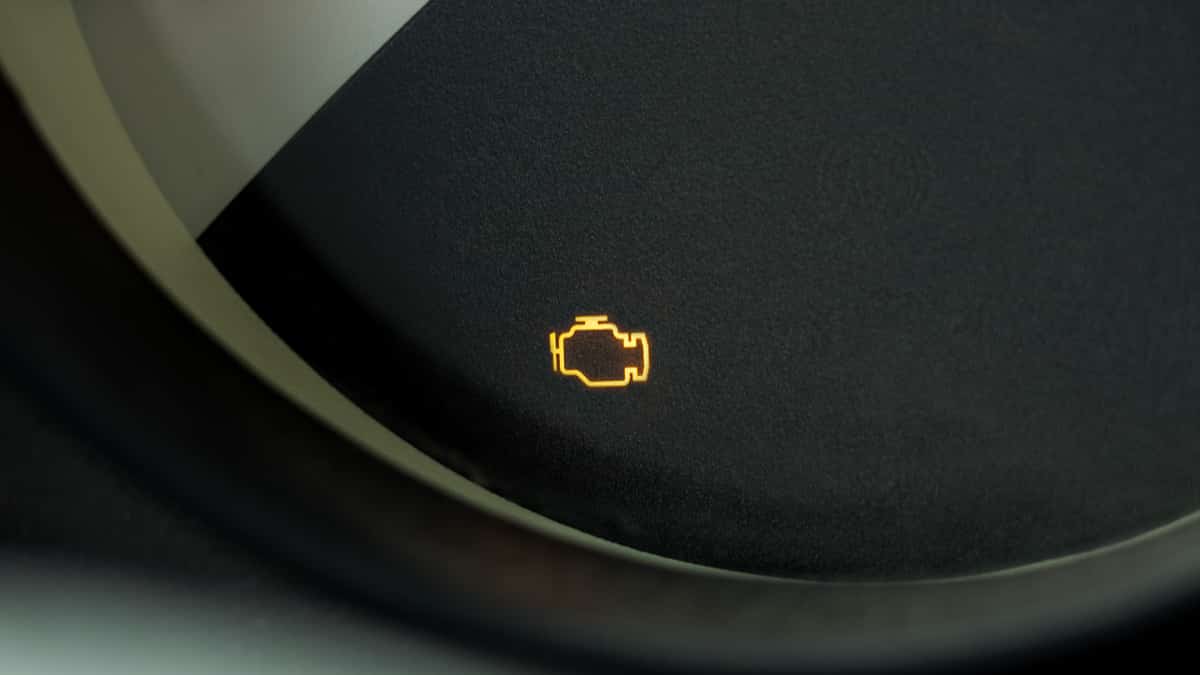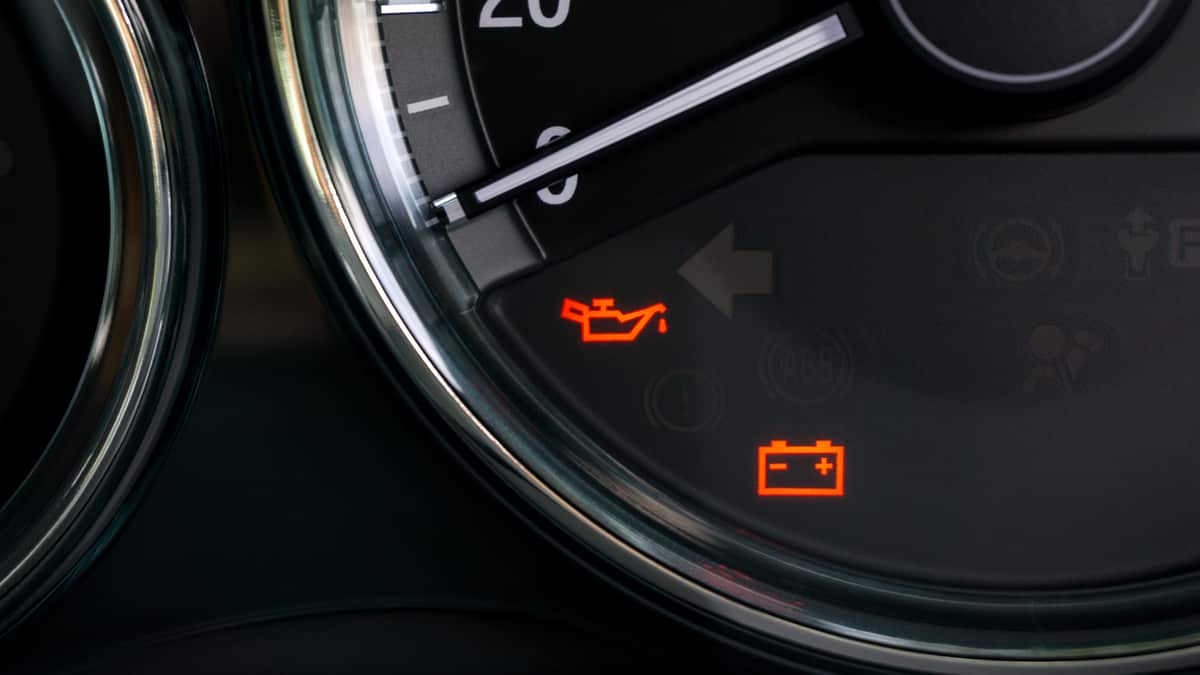

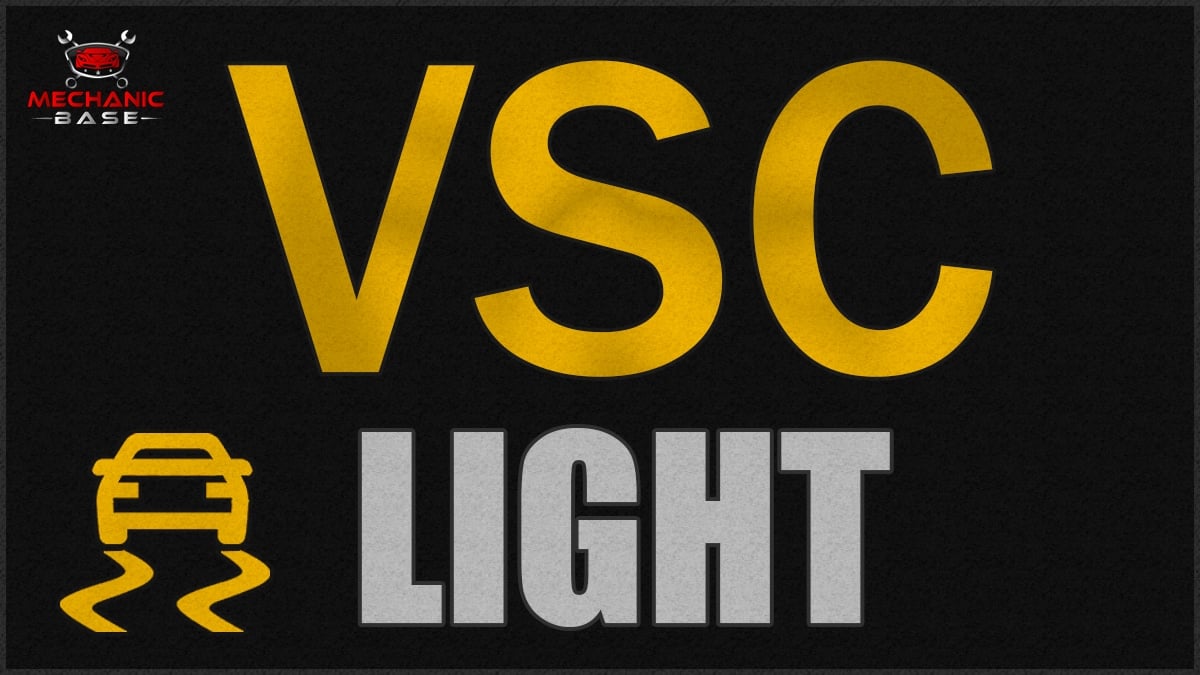
A Toyota’s VSC warning can appear with a flashing slip indicator, a “VSC OFF” light, or a “Check VSC System” message. Those do not all mean the same thing. A flashing indicator may show the system responding to wheel slip, while a warning that stays on can mean the system is switched off or has a fault.
VSC stands for Vehicle Stability Control. It works with systems such as traction control and ABS to help maintain stability. The display and controls vary by Toyota model and year, so check your owner’s manual before using the VSC button or deciding what a warning means.
What Does the VSC Light Mean?
If the slip indicator flashes briefly while the tires are losing traction, VSC or traction control may be intervening. Ease off the accelerator, avoid sudden steering or braking, and adjust your speed to the road conditions.
A steady VSC warning, a “VSC OFF” indicator, or a “Check VSC System” message needs a different interpretation. Depending on the model, it may mean the system was switched off or that a fault has limited its operation. Look for other warning lights and messages, then follow the manual for your vehicle.
VSC uses information from the engine and brake-control systems. A fault in one of those systems can affect stability control, so the warning alone does not identify the failed part.
What Can Trigger a Check VSC System Warning?
Several faults can trigger VSC or related warnings. Read the stored codes before replacing parts. If the Check Engine Light is on too, scan the engine module as well as the ABS or skid-control system.
Engine or Emissions-System Fault

Some Toyota models can show VSC or traction-control warnings alongside a Check Engine Light when an engine fault affects system operation. The engine code can point to an emissions, sensor, wiring, or other issue, but the code still needs to be diagnosed before parts are replaced.
If both warning lights are on, record the engine codes and any ABS or VSC codes. A code from one module may not explain every warning. See our guide to the Check Engine Light for more on reading engine faults.
Wheel-Speed Sensor or ABS Fault
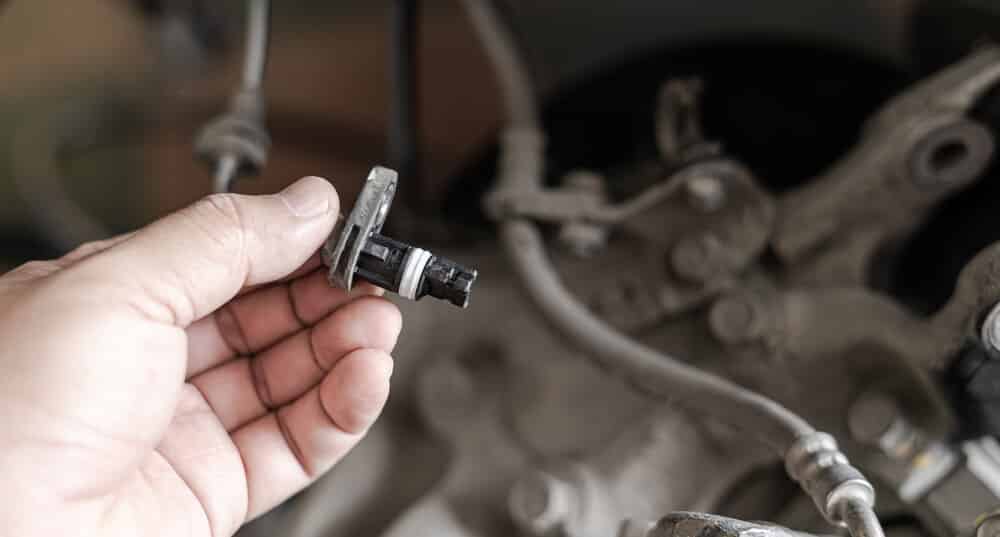
VSC relies on wheel-speed information shared with the ABS system. A faulty sensor, damaged wiring, or a problem with an ABS reluctor ring can interfere with that information and trigger a warning. An ABS light appearing at the same time is useful diagnostic evidence. Read more about ABS wheel-speed sensor symptoms and ABS reluctor rings.
Steering-Angle Sensor or Related Wiring
The system also uses steering-angle information. A sensor fault, wiring problem, or calibration issue after certain repairs may affect VSC operation. Diagnose the stored code and follow the vehicle-specific test before replacing the sensor. See our guide to steering-angle sensor symptoms.
Brake-Light Switch or Brake-System Fault

The brake-light switch provides a signal used by several vehicle systems. A switch or circuit fault can trigger warning lights. A brake-system problem may also affect VSC. Check whether the brake lamps work, but remember that working lamps do not rule out every brake-switch fault. See symptoms of a bad brake-light switch.
Damaged Wiring or Poor Connections
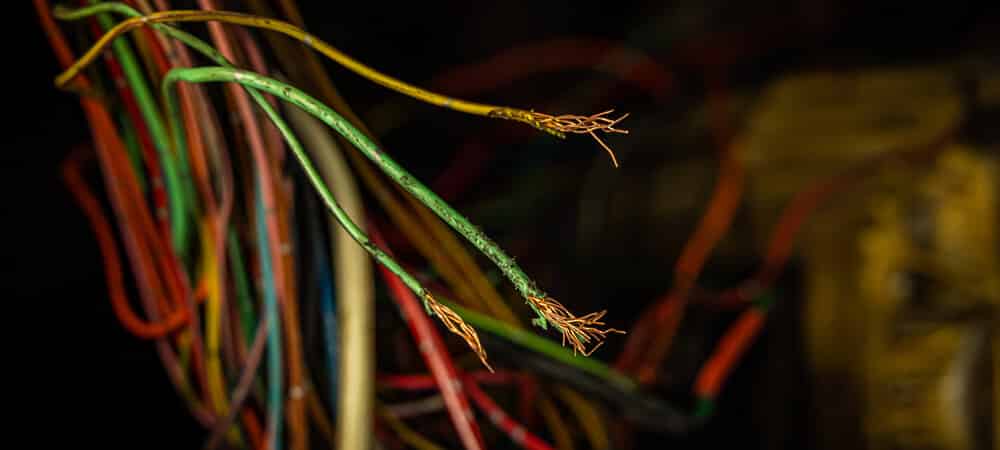
Damaged, corroded, or loose wiring can interrupt signals between sensors and control modules. Wiring near the wheels is exposed to water and road debris. A visual inspection may reveal obvious damage, but use the fault codes and wiring diagram to locate the circuit before disturbing connectors.
VSC Was Switched Off
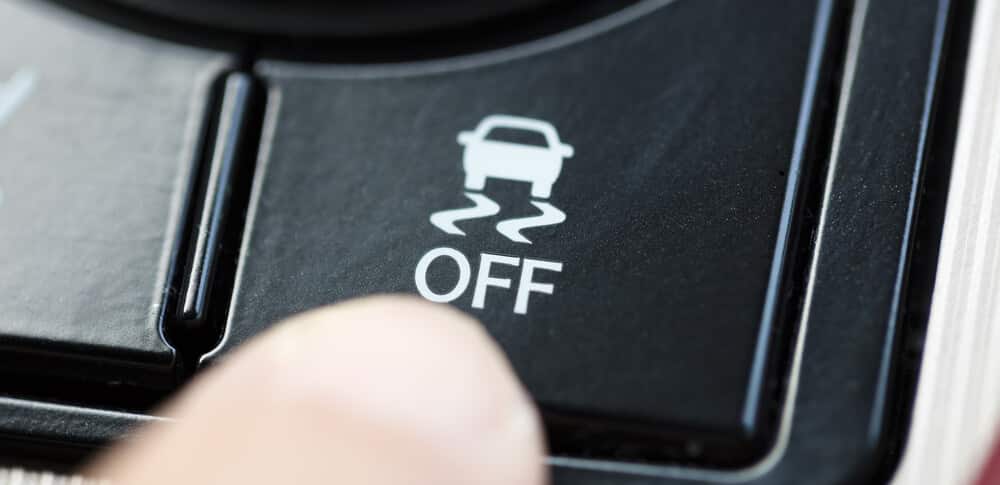
A driver may have switched off traction control or VSC accidentally. The button, menu, and indicator behavior vary by model. Check the owner’s manual to identify what is currently disabled and how to restore the normal setting. Do not use the button as a way to clear a fault code.
How to Diagnose a VSC Warning
Start with the warning message and codes instead of replacing parts based on the light alone.
1. Read the Trouble Codes

Record all dashboard messages and scan the engine and ABS or skid-control modules with a tool that supports them. A basic code reader may access the engine module but not Toyota’s ABS/VSC system. Save the codes before clearing them, then follow the test procedure for the specific code.
Our guide to choosing an OBD2 scanner explains why tool coverage matters. A scanner can point you toward a circuit or system, but it does not prove that the named component has failed.
2. Check the Brake Lights

With the vehicle safely parked, ask someone to press the brake pedal while you check that the brake lamps illuminate. If they do not, the bulb, fuse, switch, or wiring may need attention. If they do work, an electrical fault in the switch can still be present, so use the codes and test results to continue diagnosis.
3. Check the Gas Cap if the Warning Followed Refueling
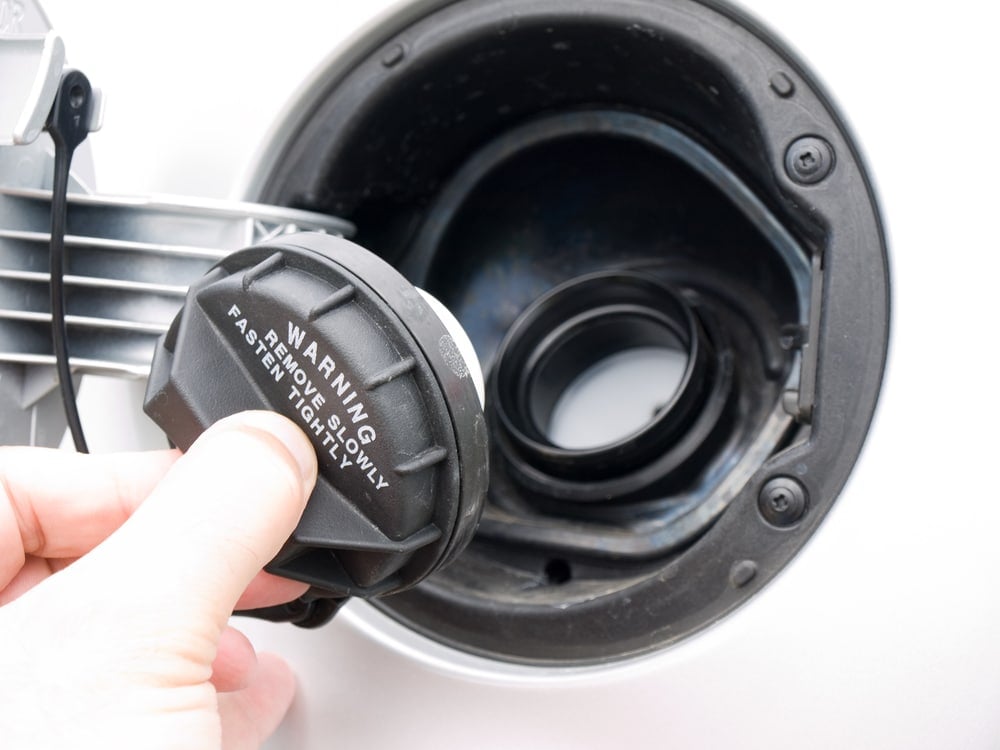
If your Toyota has a fuel cap and the warning appeared shortly after refueling, check that the cap is fitted correctly and its seal is not visibly damaged. On some models, an emissions fault can appear with VSC or traction-control warnings. Tightening the cap will not fix every cause, so scan the codes if the lights remain on.
4. Check the Brake-Fluid Level and Other Brake Warnings

Check the fluid level only if you can identify the correct reservoir and do so safely. If the level is below the minimum mark, do not treat topping it off as a repair. Low fluid can indicate a leak or worn brake components. If the red brake warning is on or braking feels different, stop safely and arrange assistance.
5. Get the System Tested if the Cause Is Not Clear

If the warning remains after basic checks, have a technician test the system. Ask which codes were stored, what test confirmed the cause, and whether the warning stayed off after the repair. This avoids replacing a sensor or control module without confirming the fault.
How to Reset the VSC Light
The VSC button changes the system setting on some Toyotas. It does not repair a fault or reliably clear a warning caused by a failed component. Button behavior varies by model, and holding it may turn off additional systems. Use it only as described in the owner’s manual and while the vehicle is stopped.
If VSC was switched off, restore the normal setting according to the manual. If the warning remains, scan the relevant modules, repair the cause, then clear codes with a compatible tool and confirm the warning does not return. Disconnecting the battery is not a reliable diagnosis or repair.
Where Is the VSC Button?
Depending on the Toyota model and year, the VSC control may be near the steering wheel, on the center console, or in a vehicle menu. It may be labeled “VSC OFF,” “TRAC OFF,” or use a skidding-car symbol. Check the owner’s manual for the exact location and function.
Can You Drive With the VSC Light On?
Driving advice depends on which indicator is on, what the manual says, and whether the vehicle has other warnings or symptoms. If the slip indicator flashes briefly and then goes out, reduce speed and adjust to the road conditions.
If a VSC warning stays on, stability or traction assistance may be limited. Avoid slippery roads and abrupt maneuvers, and arrange an inspection. If a red brake warning appears, braking feels abnormal, or the vehicle is difficult to control, stop safely and arrange assistance rather than continuing to drive.
How Much Does It Cost to Fix a VSC Problem?
The repair cost depends on the code and the confirmed fault. A wiring repair, sensor, brake switch, or control-module issue can have very different parts and labor costs. Get the codes read and request a diagnosis and estimate before authorizing a repair.
FAQ
Does a VSC light mean the system is turned off?
Not always. A “VSC OFF” indicator usually means the system has been switched off, while a steady warning or “Check VSC System” message can indicate a fault. The meaning varies by model, so check the owner’s manual and scan for codes if it stays on.
Can a check-engine problem turn on the VSC light?
It can on some Toyota models. If both warnings appear, read the engine codes and the ABS/VSC codes. Do not assume the engine code is the only fault or that replacing the part named by a code will fix the system.
Does pressing the VSC button reset the warning?
No. The button changes VSC or traction-control settings on some models. It does not repair a fault. Follow the manual to restore the normal setting, then diagnose any warning that remains.
A flashing slip indicator can show the system working. A persistent VSC warning needs the correct codes and a vehicle-specific test before you can know what failed or whether it is safe to continue driving.