

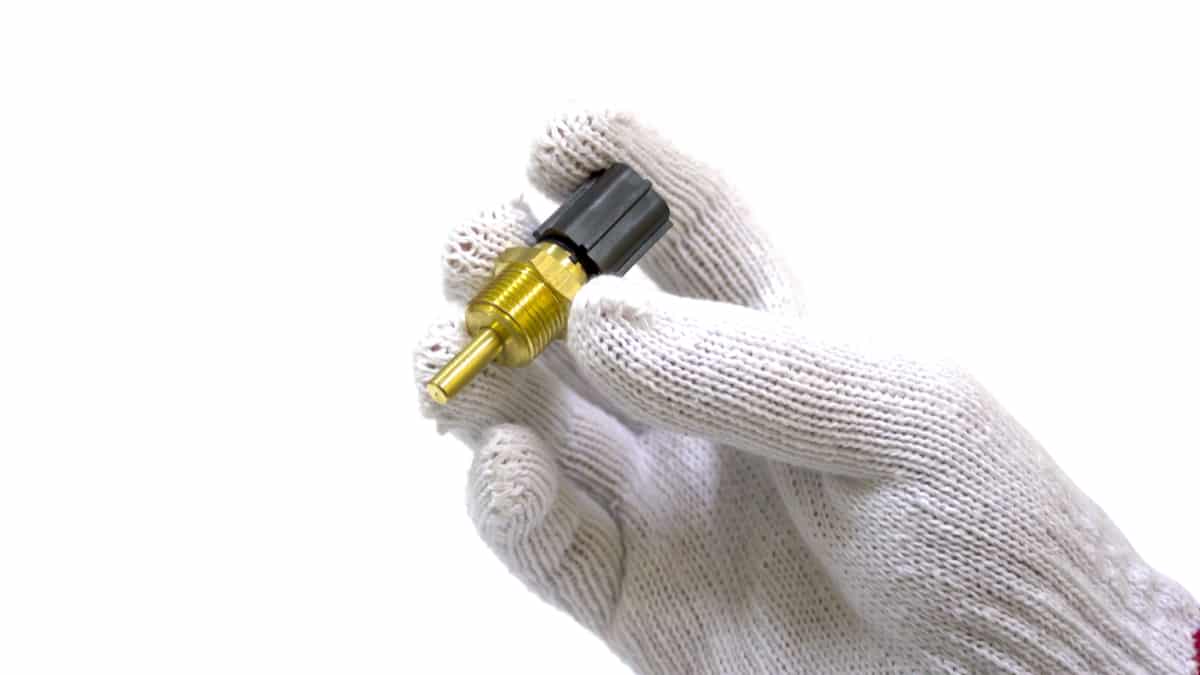
The engine coolant temperature (ECT) sensor plays a crucial role in your car’s overall performance. Its main job is to measure the temperature of the engine coolant and send that information to the engine control module.
Using this data, the control module adjusts the air-fuel mixture and ignition timing to help the engine run efficiently under all conditions.
Like any other component, the ECT sensor can wear out or fail over time, leading to various engine performance issues. If you suspect a problem, it’s best to have the sensor checked and replaced as soon as possible to prevent further damage.
In This Article:
Symptoms Of A Bad Coolant Temperature Sensor
The most common symptoms of a bad coolant temperature sensor include poor fuel economy, cooling fans that fail to turn on, rough engine performance, engine overheating, and a check engine light appearing on the dashboard.
Below is a more detailed list of the most common bad coolant temperature sensor symptoms to look for.
1. Check Engine Light
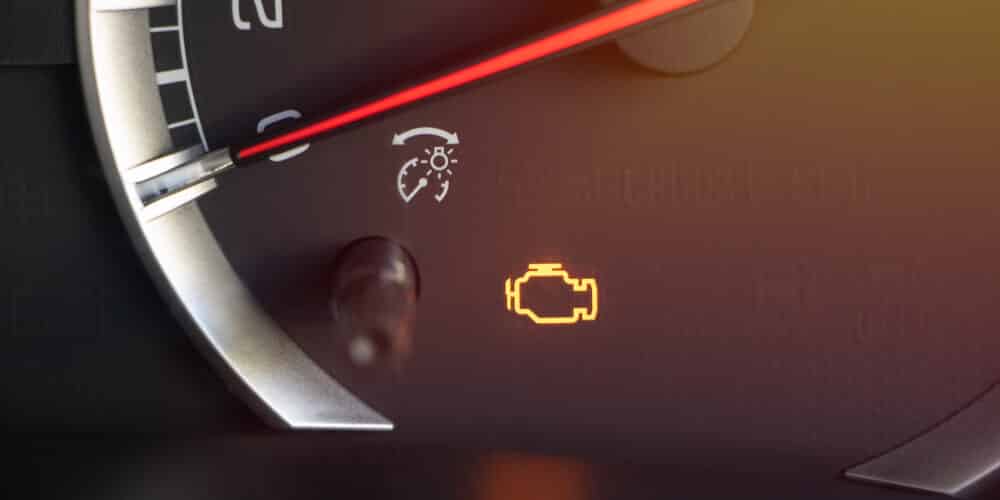
One of the first signs of all coolant temperature sensor symptoms you will probably notice is that the check engine light will show up on your dashboard.
If the computer detects any problem with the sensor’s circuit, it will illuminate the check engine light, indicating that the car needs an inspection.
If you see a check engine light on your dashboard, it is time to check the trouble codes with an OBD2 scanner.
2. Poor Mileage

A faulty ECT sensor can send a false signal to the onboard computer, resulting in an incorrect air-fuel mixture. For example, a faulty sensor can send a signal indicating the engine is cold when it is not, and more fuel will heat the engine quickly.
This will cause the fuel economy to drop and decrease the engine’s performance.
3. Electrical Cooling Fans not coming on
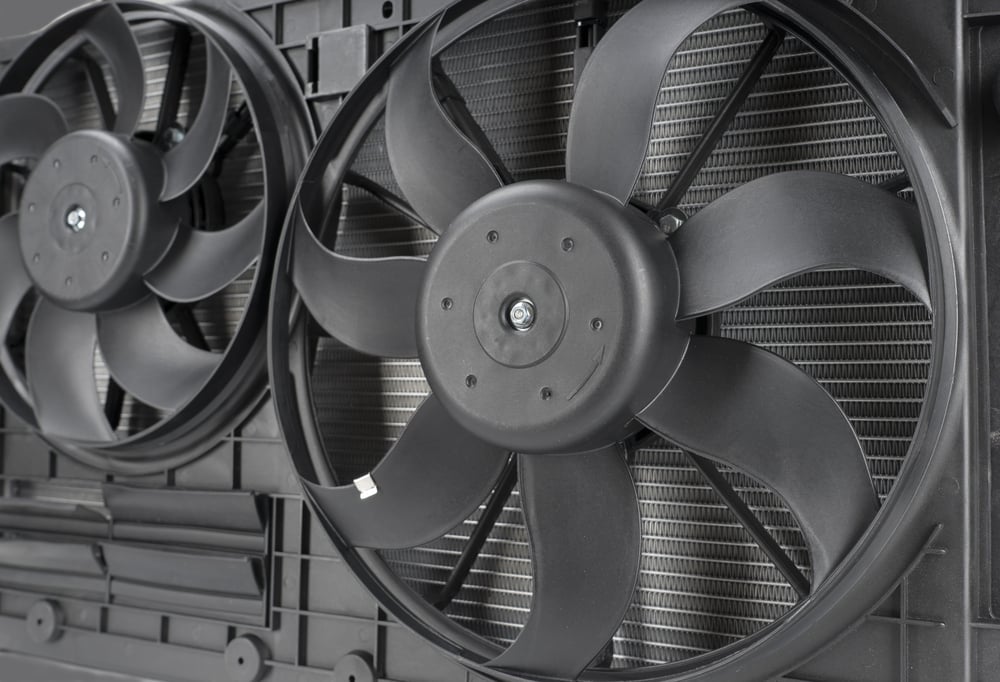
Some cars use the engine coolant temperature sensor to control the electric cooling fans. In most cars, you have two separate temperature sensors for the fans, a dashboard gauge, and engine management.
However, if your car has a single sensor, a bad engine coolant temperature sensor may result in your fans not starting.
RELATED: Radiator Fan Is Not Working? (7 Causes & How to Fix)
4. Black Smoke from the Exhaust Pipe

Due to an incorrect engine temperature signal, the ECU may enrich the fuel mixture to a point where the combustion process becomes difficult.
The excessive fuel will burn in the exhaust pipe and will produce thick black smoke.
RELATED: Black Smoke From Exhaust (Causes & How to Fix it)
5. Hard Start Condition
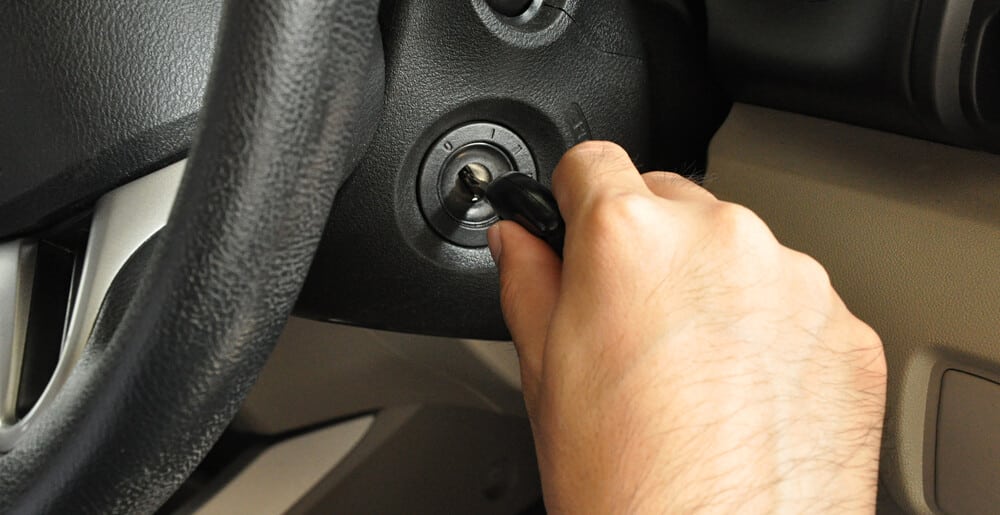
The amount of fuel getting injected into the engine is critical at the moment you start your car. If the air-fuel mixture is faulty, you might find your car difficult or impossible to start.
6. Engine Overheats

The cooling fan, which is behind the radiator grille, removes heat from the engine’s coolant. This fan is electrically controlled and relies on the signal from the onboard computer.
If the fan receives a false signal, the fan might not turn on, causing the engine to overheat. Some vehicles have a separate coolant temperature sensor for the fan, but many cars use the same sensor.
7. Poor Idling
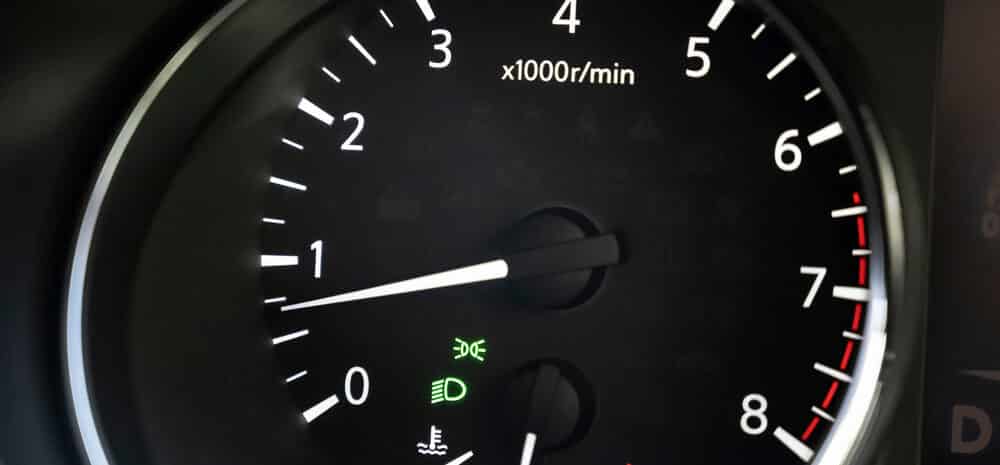
Due to a faulty ECT sensor, the fuel mixture will adjust. This will cause the engine to vibrate or shake when the car is at low speed and lead to other power losses and strange behaviors.
The engine is very sensitive to wrong air-fuel mixtures at idle, and this is a condition when you might notice that something is wrong with your engine coolant temperature sensor.
8. Poor Engine performance
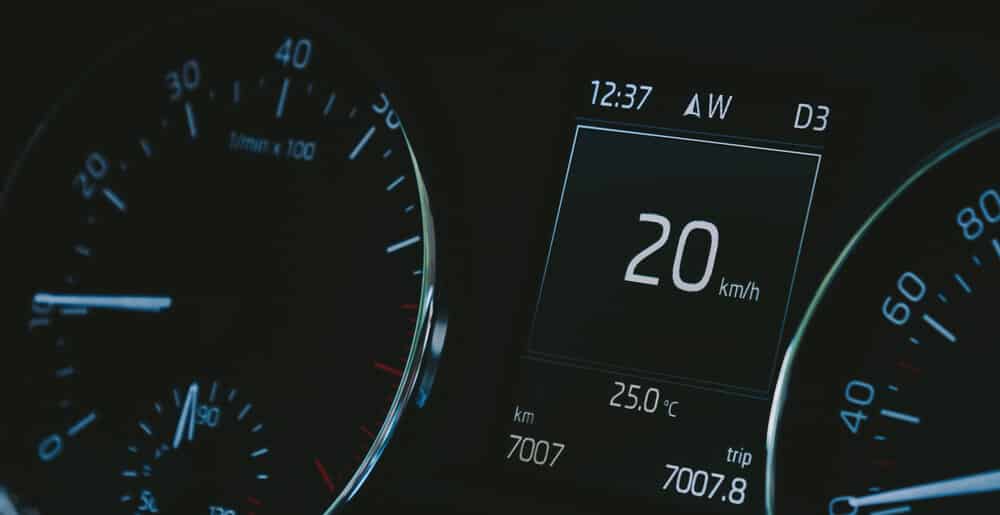
The engine coolant temperature sensor can have a hard impact on the air-fuel mixture. A bad air-fuel mixture can also cause the engine performance to drop drastically.
If you feel that the engine performance is not what it has been before, it may be due to a faulty engine coolant temperature sensor.
What is an Engine Coolant Temperature Sensor?
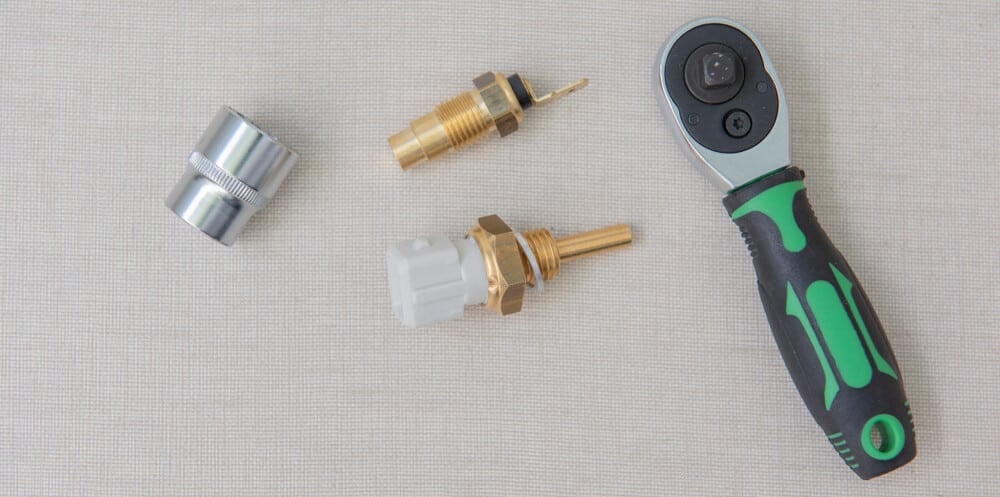
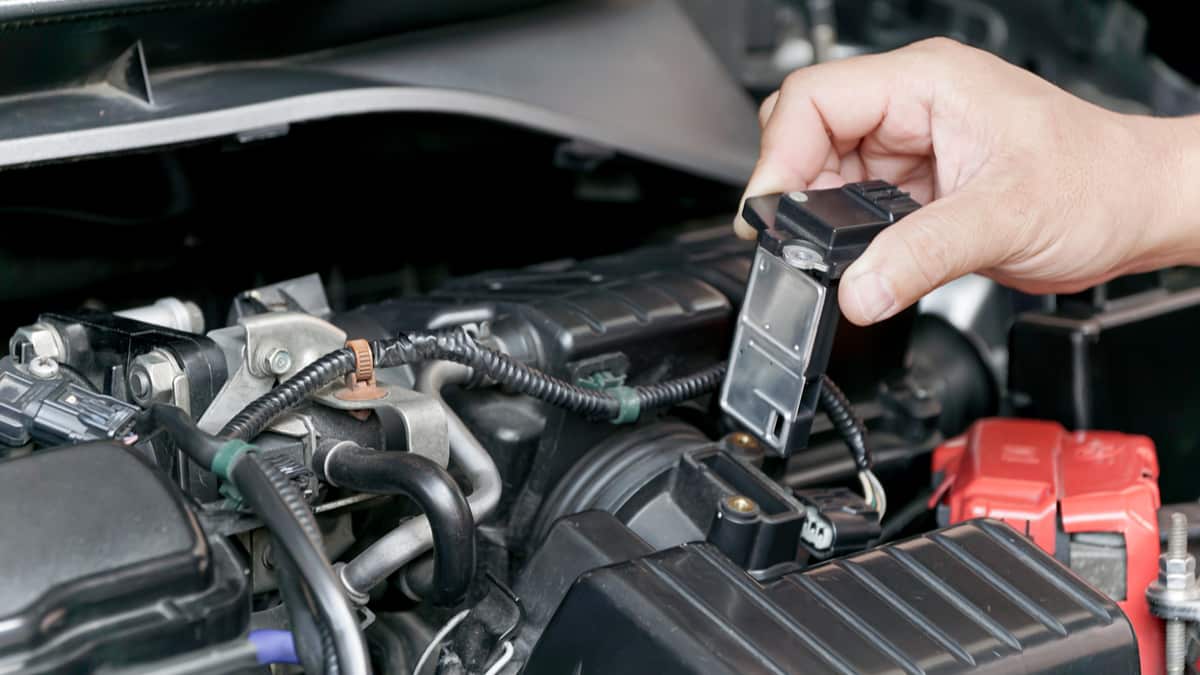
Coolant temperature sensors are also known as engine coolant temperature sensors or ECT sensors. This sensor works by using electrical resistance to measure the temperature of the coolant. These measurements produce essential data for the engine system of your vehicle.
The readings produced from the coolant temperature sensor are transmitted to the engine control unit, where they are utilized as data for regulating and maintaining the proper ignition time and the optimal fuel injection through the computerized approach.
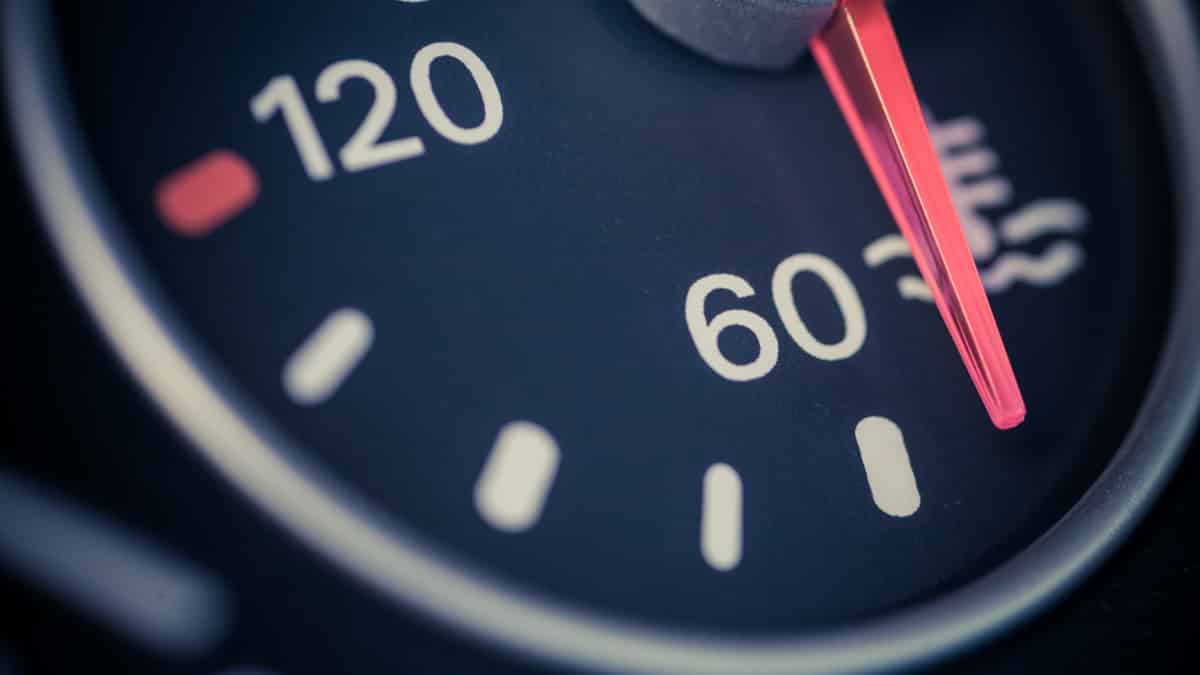
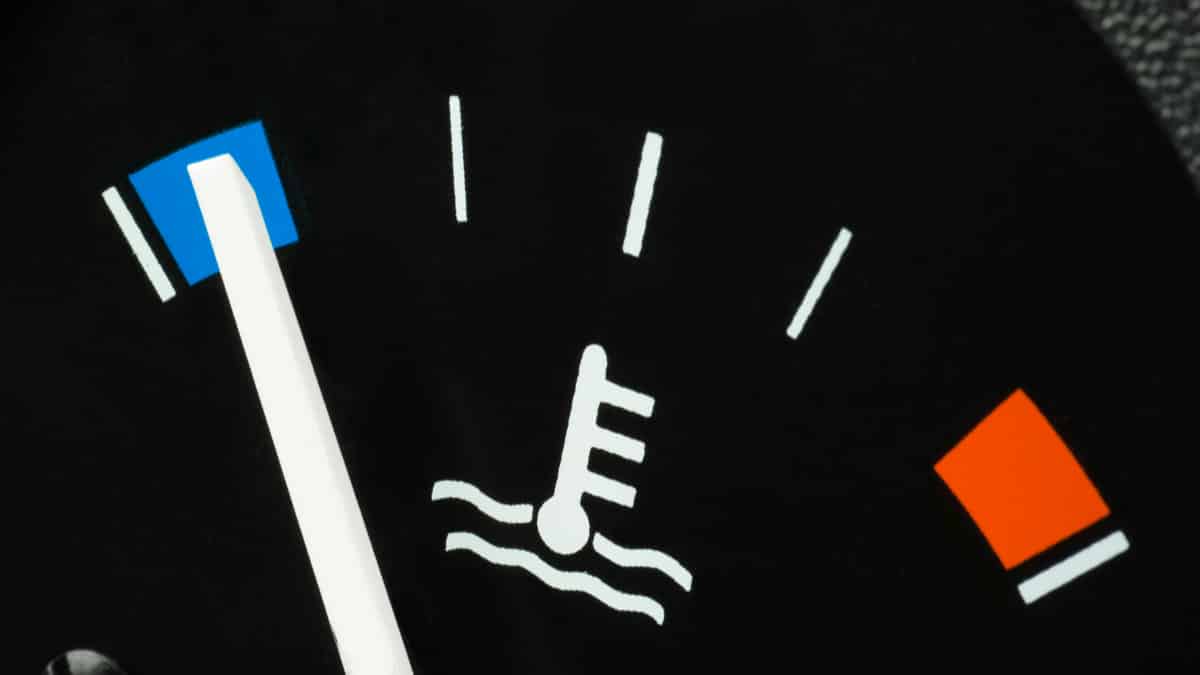
RELATED: 7 Causes Why Car Temperature Gauge Stays on Cold
Coolant Temperature Sensor Location
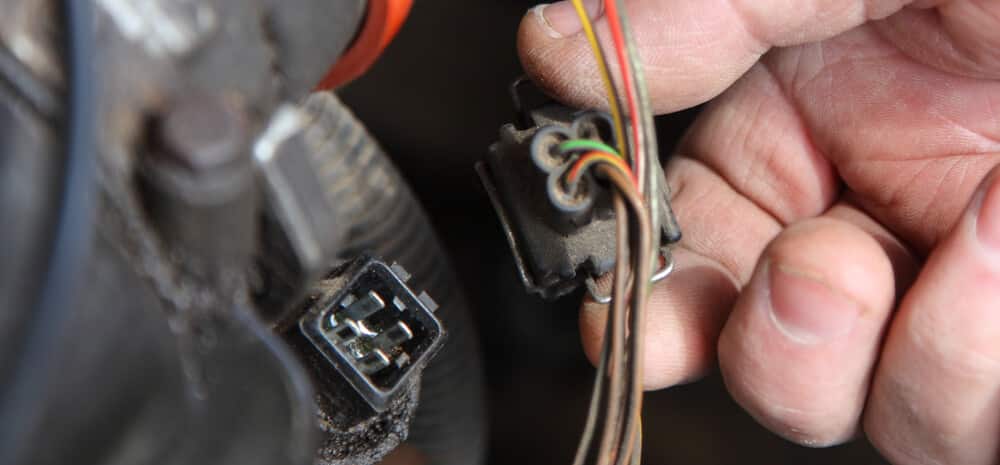
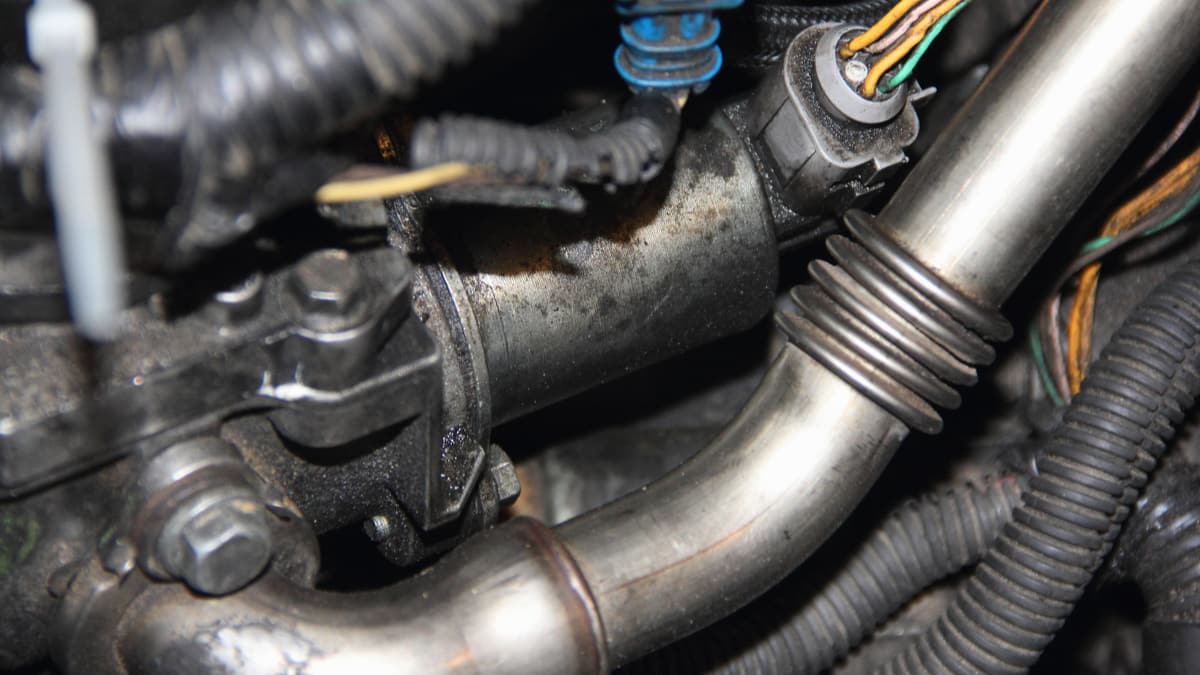
The engine coolant temperature sensor is usually located on the engine block or cylinder head. It is often installed on a plastic hose on the coolant’s inlet.
Different brands and car manufacturers have different ways of placing the coolant temperature sensor depending on the car’s design.
Some vehicles may have more than one temperature sensor, as sometimes, different sensors are used to signal to the dashboard, cooling fan control, and the control unit of your engine system.
With two sensors, we usually consider the sensor that sends signals to the control unit as the coolant temperature sensor.
Coolant Temperature Sensor Replacement Cost
The average coolant temperature sensor replacement cost is between $50 and $250, depending on the car model and labor costs. A coolant temperature sensor costs $30 to $100, and the labor costs $20 to $150.
The coolant temperature sensor itself is often quite cheap, and you can often find them for around $40 for a quality one. There are cheaper ones on the market, but I heavily recommend buying a quality one like Bosch to skip the headaches.
The replacement is also often quite straightforward, except that you might have to pour out all the coolant from the engine and refill it. Unfortunately, removing the coolant also means that you have to remove all air from the coolant system, which can be difficult.
However, if you are fast with replacing the sensor, there is often no need to tap out the coolant, but this requires some skill.
Remember to always make sure the coolant temperature is low when doing this kind of work!!
How to Diagnose a Faulty Engine Coolant Temperature Sensor?
To diagnose the coolant temperature sensor, you need a repair manual for your car model to find what measurement values you should expect from the coolant temperature sensor.
- Connect an OBD2 Scanner and look for related trouble codes. Check the live data to see the temperature from the sensor. If it is way off the range, check the wirings, and replace the sensor.
- Locate the coolant temperature sensor in your vehicle by referring to the service manual.
- Find the coolant temperature sensor and remove the connector plugs.
- If you have two pins on the coolant temperature sensor, you can try measuring the ohm value between these two pins.
- Check your repair manual for the correct ohm value at a given temperature.
- If the value is wrong, replace the sensor.
- If it seems fine, check the wirings and connectors between the coolant temperature sensor and the engine control module.
FAQs
How long it takes to replace a coolant temperature sensor depends entirely on the car model and your experience. However, most coolant temperature sensors take about 30 to 60 minutes to replace.
Yes, a bad coolant temp sensor can prevent the engine from starting. For example, if it’s very cold outside, but the sensor tells the ECM that it’s warm, it won’t inject enough fuel to start the engine.
Yes, in most car models you need to drain the coolant to replace the temp sensor. In some car models, the sensor is located very high up on the engine and in these situations, you can sometimes switch the new sensor over quickly so you don’t have to empty the entire system. Only work on your car engine when the coolant is cold.
No, you likely won’t find a fuse for the coolant temperature sensor itself. You can find a fuse for the engine control module though, which sends the signal to the coolant temperature sensor.
Conclusion
If you’re experiencing any of these symptoms, take your car in for a checkup as soon as possible. A bad coolant temperature sensor can cause your vehicle to overheat. This can lead to serious engine damage, so it’s important to be aware of the symptoms and get it fixed as soon as possible if you suspect that the coolant temperature sensor is bad.
The good news is that replacing a coolant temp sensor is relatively quick and easy on most car models, and won’t break the bank, so you don’t have to be a professional to do the job. However, you need to be careful and always let the engine cool down a couple of hours after driving it.
Learn more:
- Car Temperature Gauge Goes Up and Down – Causes & How to Fix
- Low Engine Coolant Level? (Causes & Consequences)
- How to Bleed Your Cars Cooling System (9 Easy Steps)

I have a 2007 Dodge Charger and the cooling fans wont turn on. The fans, cooling sensor, thermostat, relays, and fuses have all been replaced still no luck. When the AC is unplugged the fans come on but they just constantly runs. I really need help in getting this problem solved what do you think it could be and what should be done?
For a 99 Dodge Ram 1500, 5.9 M, where can I buy a ECT pigtail?
HELP PLEASE!!
((2005 Chevy Impala 3.4Liter 6 cylinder))
Car idles rough unless I hit the gas pedal and give a couple revs. Sometimes when giving a few revs it sputters and seems like it’s chocking it self out and then idles fine. Some white smoke comes out of exhaust when giving revs also. Other times when give a rev or two it dies. I have noticed after it spits and sputters or dies. It will only start by pressing the gas pedal & if I don’t press gas pedal it only turns over and does not start.
(This is about 5days of working on it)
I have an CanOBD2 hand scanner, the code that came up is p0300 ( random misfire ) So we replaced the plugs & wires , battery & gutted the cat. No change in performance and reset codes.
Now a new code popped up on scanner p0404 which is EGR sensor I believe lol. Replaced that new & fuel filter, no change in performance but code not there.
Turned car on , reset codes and new code popped up p0116. Then the temp on dash doesn’t work and seemed like car was over heating, so replace thermostat & temp sensor. Now Car warms up in cabin, temp on dash works and code gone.
Car is still rough idle and all , like explained earlier. Scanned and a new code popped up p0306, misfire cylinder #6. Gave a couple revs to get it not to rough idle. Turned car off code is not there anymore but p0300 popped up again. And here I am now talking to you. Anyone have advice? Besides burning it to the ground lol.
I am Thomas I’m driving BMW-3-Series-E90 so one mrng I was driving to work I noticed the red temperature warning sign and fan was blowing very high so I stopped and checked in the engine the wasn’t actually hot
I replaced water pump, thermostat and both temperature sensors but I still get the warning sign… Any help???
can you please help me i have a problem.
my car finished water and i see no leaks
Very nice explanation. word to word
Tq so much
I am in the UK & have a 2015 Seat Leon 1.4tsi 150bhp car. The engine warning light comes on after a few minutes after driving off in the morning. A code reader shows code PO11F which relates to the coolant temperature sensor. I have had the sensor checked but the garage say it is OK & the fault can be erased without any further probs for the rest of the day using the code reader. But it does come back the next morning if I drive straight off from cold
I have discovered by (accident) that I can prevent the warning light coming on simply by starting & then stopping the engine within 30 seconds in the morning before driving off & then it is OK for the rest of the day. I have no overheating problems & otherwise car runs great.
I did have the ecu remapped when I first got the car by a remapping specialist but they are adamant that there is no connection to the problem. But now I am wondering if that is the cause. Has anyone any ideas please..
I’m just trying to get the right idol for a2008 Lincoln town car and I overheated the engine will this affect the coolant sensor and bring idol to one
Honda Civic 1996-my radiator fan automatically run when i ON my start. whats the probable cause?