

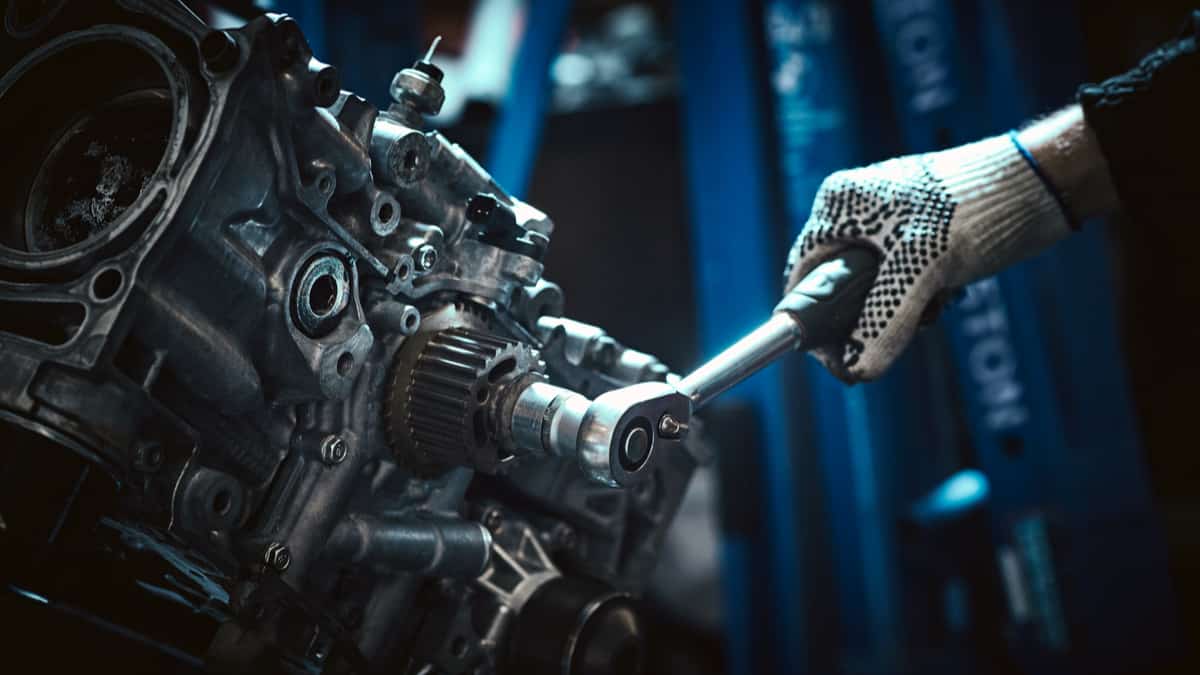
Your car engine is a sophisticated component containing many working parts. If something breaks, the whole system can be thrown off-balance, possibly leading to a seized engine.
A seized engine means that a significant part has stopped moving, causing the engine to fail. We look at the symptoms of a seized engine, what it means, the reasons why it happens, and how to fix it. So, what are the symptoms of a seized engine?
The most common symptom of a seized engine is nothing will happen when you try to start it. The radio and other electronics may work fine, but the starter will just click when you turn the key. Sometimes you can also smell a burnt smell from the engine.
Here is a more detailed list of the most common symptoms of a seized engine:
In This Article:
Seized Engine Symptoms
1. Engine Doesn’t Start
When the engine seizes, the car might not start. You should still be able to turn the car on and run the electronics, such as the heater fan, lights, and radio.
However, cranking the engine will produce no action. If anything, you will hear a clunking sound when the starter impacts the flywheel.
2. Physical Defect
Sometimes the engine seizes because an internal part becomes loose and lodges itself into another component. If this is something such as a piston connecting rod, it could penetrate through the engine block.
An inspection of the engine block would reveal the problem because the parts can come through the top in severe cases.
3. Burnt Wires
The seized engine itself doesn’t create burnt wires; it’s what happens after the engine fails. As the starter attempts to crank the engine, additional problems occur.
The starter isn’t able to turn the engine, so the wires start overheating. You will notice smoking and a burning smell, which is a common occurrence after a seized engine happens.
4. Engine Noises
Shortly before the engine seizes, you might notice some strange engine noises. Sometimes these noises appear as a light tapping, or it can be a faint knocking.
Either way, the engine is about to fail completely once you hear the death knock. This sound often accompanies a piston connecting rod hitting the crankshaft.
What Does A Seized Engine Mean?
A seized engine means it’s stuck, and it won’t rotate when you try to start it. The electronics in your car may work, but nothing will happen when you turn the key. A seized engine is often caused by serious engine damage, which is often very costly to repair.
Seized Engine Causes
The most common cause of a seized engine is that it has been running with a lack of engine oil in the oil pan. It can also be caused by water in the cylinders or a broken crankshaft rod or piston. In many cases, it can also be the result of driving with an overheated engine.
These are just some of the possible causes; here is a more detailed list of the most common causes of a seized engine:
1. Lack of Engine Oil
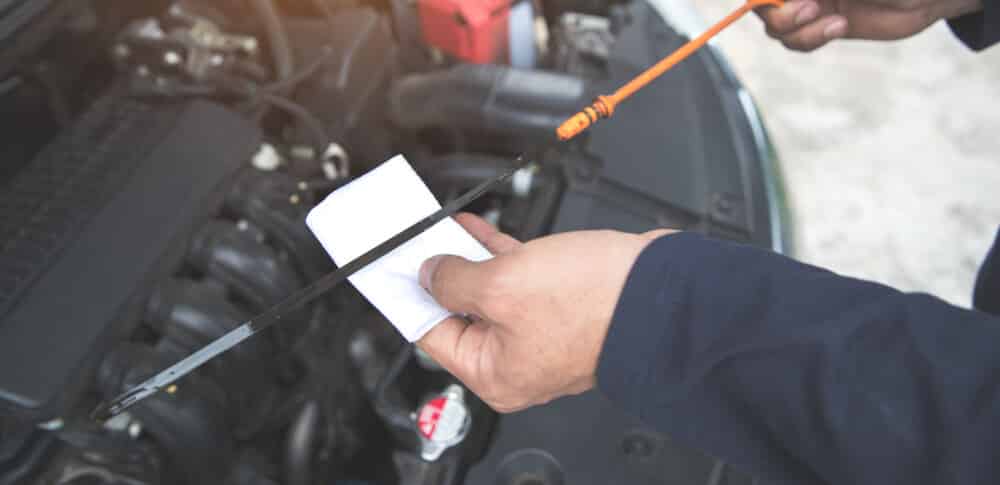
Your car engine needs oil to maintain proper lubrication of the moving parts. The oil also provides some cooling to the engine components.
When the engine oil gets too low, the engine begins to heat up, and parts start rubbing together. A lot of friction starts to occur as the internal components dry out. The engine can only run like this for so long and will eventually seize.
2. Water in the Engine
Water isn’t meant to be in the car engine, but sometimes it finds a way in. If you drive through a large puddle, water can make its way into the intake.
Other times, water can infiltrate the fuel tank. Because it doesn’t compress like the air/fuel mixture, it causes damage to the connecting rods inside the engine. Once the connecting rods bend, the engine seizes. This situation is otherwise known as hydrolock.
3. Rusty Components
Over time, metal is prone to rusting. As the vehicle gets old, the chances of rusty parts become higher.
While internal engine parts don’t generally get rusted with proper lubrication, if water gets inside, it could happen. Once parts are rusted, the components grind together, creating metal shavings that could interfere with operation.
4. Broken Components
Rust isn’t the only thing that can happen to the moving parts. It’s also possible for components to break. This problem occurs with the valves, connecting rods, or pistons.
If these parts break off, they get stuck somewhere in the engine where they don’t belong. This is the cumulative effect, where one defect leads to another.
5. Overheated Engine
The engine should never be allowed to overheat, or you are looking at serious problems. First, overheating engines lead to expanding pistons, which can damage the cylinder walls.
Aside from this, you can also blow a head gasket when the engine overheats, which is another expensive repair.
6. Locked Starter
While a locked starter isn’t going to cause a seized engine, the symptoms are closely related. The two can feel the same.
When the starter seizes with the solenoid stuck, it grabs the flywheel. Thankfully, this repair is much more manageable than a seized engine.
7. Timing Belt/Camshaft Failure
If the timing chain, belt, or camshaft fails, it can cause the valves to hit the pistons. As we’ve already discussed, trouble with the pistons causes the engine to seize.
How to Fix a Seized Engine
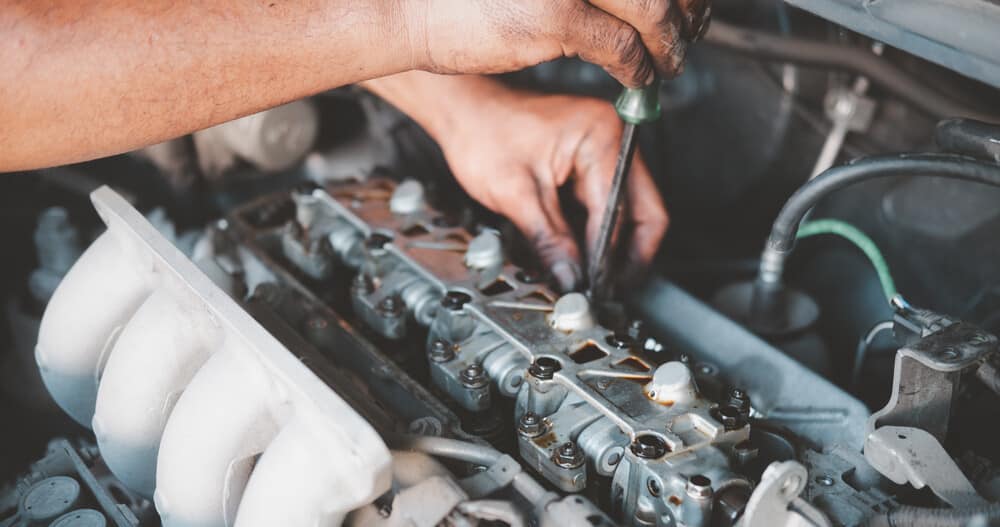
Fixing a seized engine starts with determining what the problem is. Many times, the symptoms of a bad starter are quite similar, so you want a proper diagnosis first.
By manually rotating the crankshaft, you rule out the starter. However, if it doesn’t rotate, you want to remove the starter and try again.
Remove the serpentine belt and try to rotate it again to make sure it is not seized because of a bad alternator or AC compressor.
If you have the knowledge, you should also inspect the timing belt or timing chain timing.
Once you determine that the engine is seized, you don’t have a lot of options for repair. Most of the time, it makes the most sense to replace the engine. Without seeing inside the engine, it’s difficult to know how much damage has been done.
Sure, there are some internal components that could be repaired with the help of a machine shop, but this can become more expensive than replacing the motor. However, high-performance or rare motors might be better fixed instead of replaced.
If the engine is seized up because it spent too much time in the elements, you might be able to salvage the engine because there aren’t internal defects. A qualified mechanic can help you determine the right course of action.
Can a Seized Engine be Rebuilt?
There’s always the option to rebuild a car engine, but labor costs can become astronomical depending on what the problem is. Before getting an estimate, the mechanic will have to pull the engine apart to look for irreparable damage. If the mechanic sees a rod through the engine block, it spells trouble.
Additionally, if the engine has overheated, it might have warped internal components, thereby degrading its durability. In most cases, it just makes sense to replace the engine.
Seized Engine Fix Costs
The seized engine repair costs are going to quickly exceed $3,000 whether you choose to replace it or rebuild it. If you have an older vehicle, this expense won’t make sense, which is why many vehicles with a seized engine end up in the junkyard.
Can you fix an engine that is seized?
Yes. Seized engines can be fixed, but it is not an easy task, and it can require a lot of money. How expensive it will be, depends on what caused the engine to seize up in the first place. If the engine is stuck due to a broken timing chain or belt, you may need to rebuild the entire engine, which can cost over $5,000.
How do you free up a seized engine?
If your engine has seized because it hasn’t been used for a long time, try filling the cylinders with oil for a couple of hours and then try again. However, if the engine is seized due to damage, the engine needs to be repaired and sometimes even replaced.
How much is my car worth with a seized engine?
A car with a seized engine would likely need a new engine, and that could cost more than the car is worth. So, to figure out how much your car will be worth with a seized engine, you need to figure out how much it will cost to repair or replace the engine. You can expect to get significantly less for your car if it has a seized engine.
Can you trade in a car with a seized engine?
Technically speaking, you can trade in a car with a seized engine. However, most dealerships and private sellers will not accept such a vehicle. For this reason, it’s usually best to sell or scrap a car with a seized engine.



Hi there i have a 2006 320i e90 series 3 i drove to work turned car off went to start the car again i pushed the start button there was nothing no clicking nothing what could be the problem
I just got a 03 Mazda protege 5 motor was seized due to over heating sat for 5-7 yrs before I got it pulled dipstick and oil wasn’t milky or any signs of any water in the motor. But then I pulled the oil plug and about 1.5 quarts of water came out with the oil. It still has compression and I could use some help if u have any ideas
Hi! My truck shut off while driving and now it won’t crank. Im in need of an oil change but it’s oil in the truck. When I turn the key the motor clicks once and that’s it. No other sounds or anything just one click. All the lights come on and so does the radio. I don’t have a socket big enough to try and turn the motor by hand. What do you think it is?
Sir I am using a Ford Fiesta diesel engine. One evening I started it and after starting I remained it start for a minute. As I reversed it, the car suddenly stopped and after that I tried to start it in reverse gear but it didn’t start. What could be the matter.please need your help. Reply fast.
My polo tsi oil pan got damaged by a brick and I drove the car for seven minutes thereafter trying to find a good spot to stop and a warning of low oil sign appeared . I managed to find a good spot to park the car and I switched it off. I installed a new oil pan and put in oil. After all that when I try to start it it makes a scritching sound and the engine is quiet. Can it be that it has seized
I have a toyota hilux 4liter v6 2008 model whereby the engine seized and I took the crankshaft for repair.. I bought new bearings and I assembly it and it sized again I replace the oil pump.. What is the cause may be.. The engine is not overheating the temperature is just normal..
I have a 2012 Kia Sportage that didn’t fall under the 2019 recall. I am now sitting with a car with a seized engine with 97K miles. I have had the vehicle for 3 years. I have always had oil in the vehicle. I went longer on a few of the oil changes but again always got a top off or checked the oil. What would do you think would cause the engine failure. Within the month I have had a tune up and oil change. Is there something I could have done to prevent the engine to fail?
Hi. I have a 2001 ford expedition. I drove it on a Friday morning turned it off for an hour and tried to start it when I heard a loud noise and then after it wouldn’t start and it was a clicking sound with smoke under the hood. Replaced the starter and that didn’t work and the dip stick is showing oil so what do I need to do?
My car Toyota Hilux 5L engine stuck after replacing timimg what will i do to fix that problem please
Your timing belt is most likely fitted like it should and the valves are hitting the pistons. Replacing a timing belt is a very critical job and can cause major damages to the engine if not done properly. Make sure the timing is correct and do not try to start the engine before making sure that the timing is correct