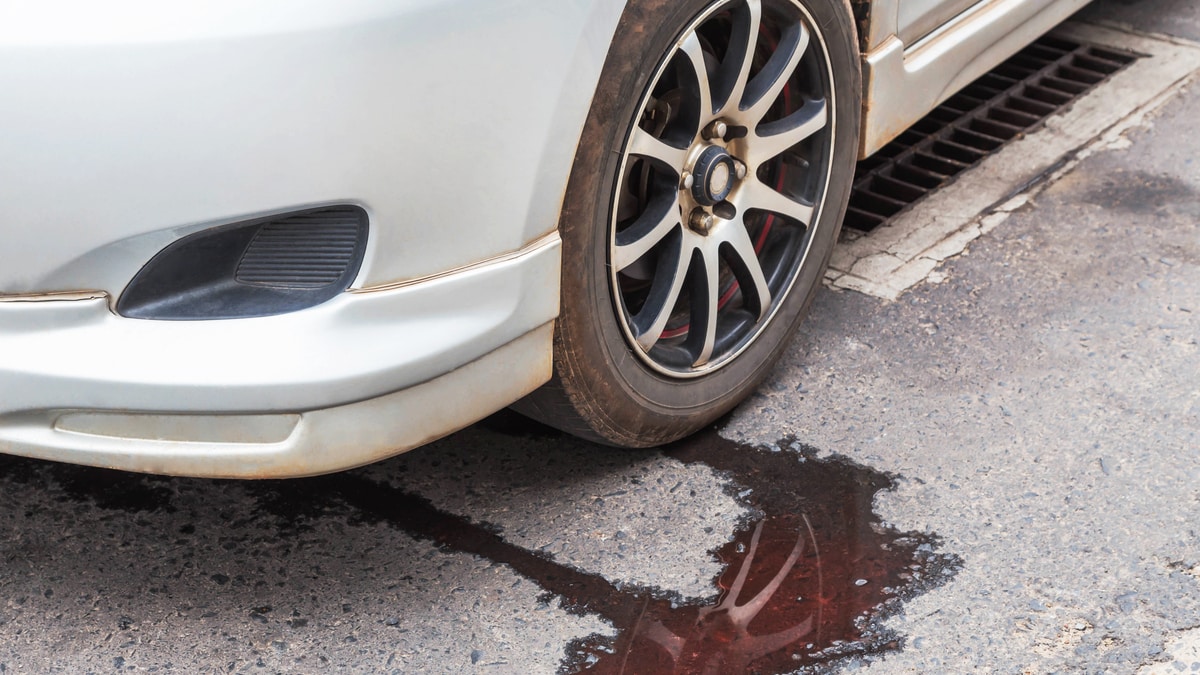

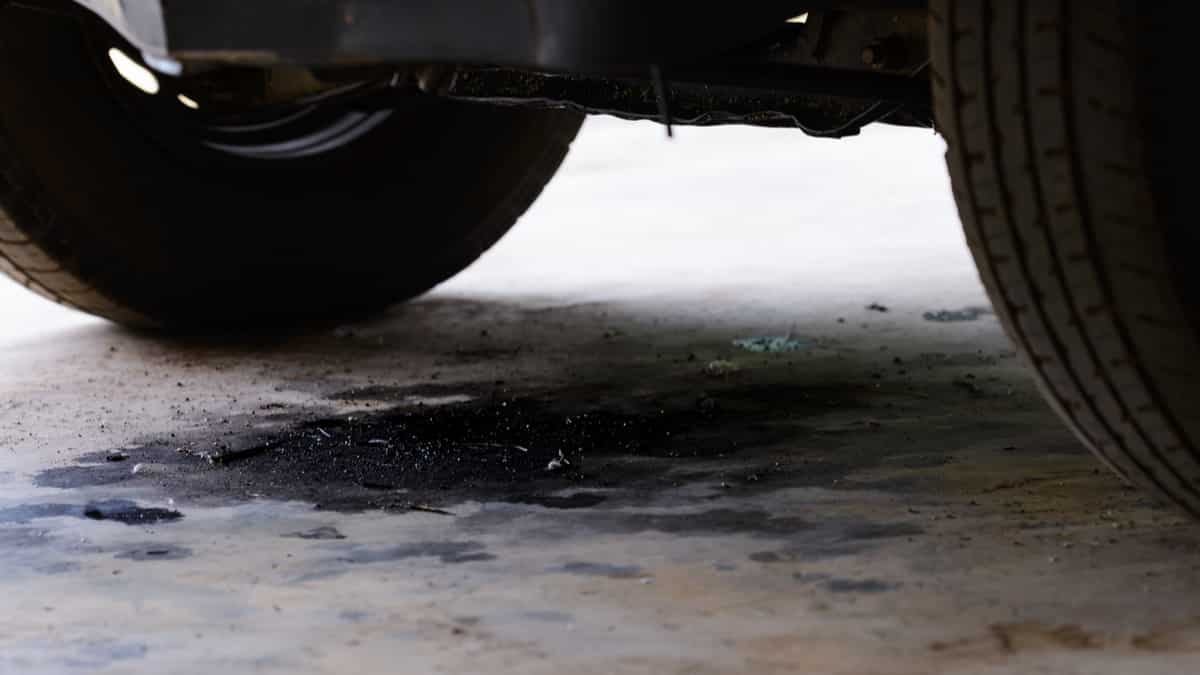
With a car leaking oil, you have several things to consider. First, how will you maintain the right amount of oil while it is leaking? Secondly, how will you figure out where the oil is leaking from so you can fix it? These are valid questions that you need quick answers to.
In this guide, we seek to answer your top oil leak questions. We discuss the most common reasons for an oil leak and offer suggestions to fix it.
Car Leaking Oil: Common Causes
1. Leaking Oil Drain Plug
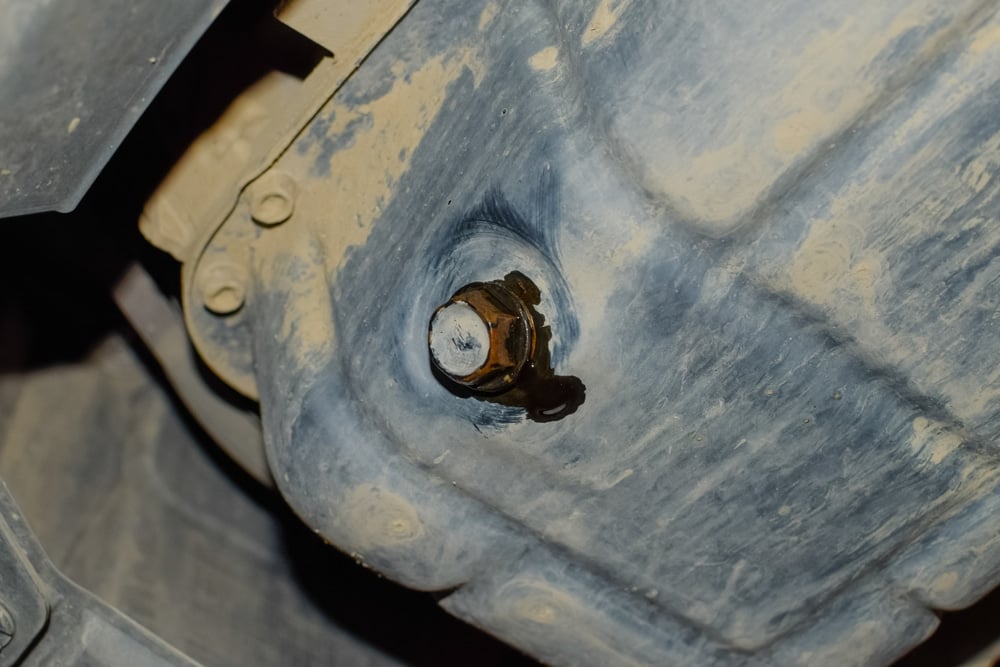
With each oil change, the drain plug gets removed so the old oil can be emptied. Over time, this drain plug can become worn out from constantly being taken out and put back in.
There’s usually a gasket around the drain plug that can also wear out, leading to leaks. Additionally, if the plug isn’t tightened up entirely after the last change, oil can start to drip out.
2. Damaged or Rusty Oil Pan
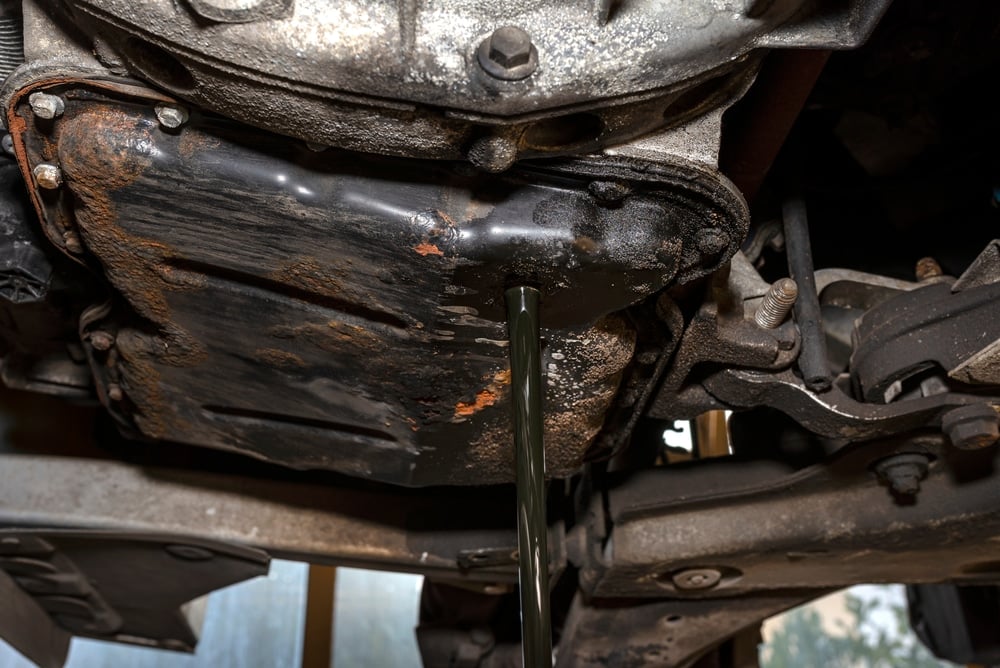
The oil pan is often made from metal and it can rust through. It can also be damaged by impact with stones and objects on the road.
If the oil pan is damaged, holes can be left on the surface where oil can escape. The damaged oil pan can also break the seal around the drain plug.
3. Leaking Oil Pan Gasket
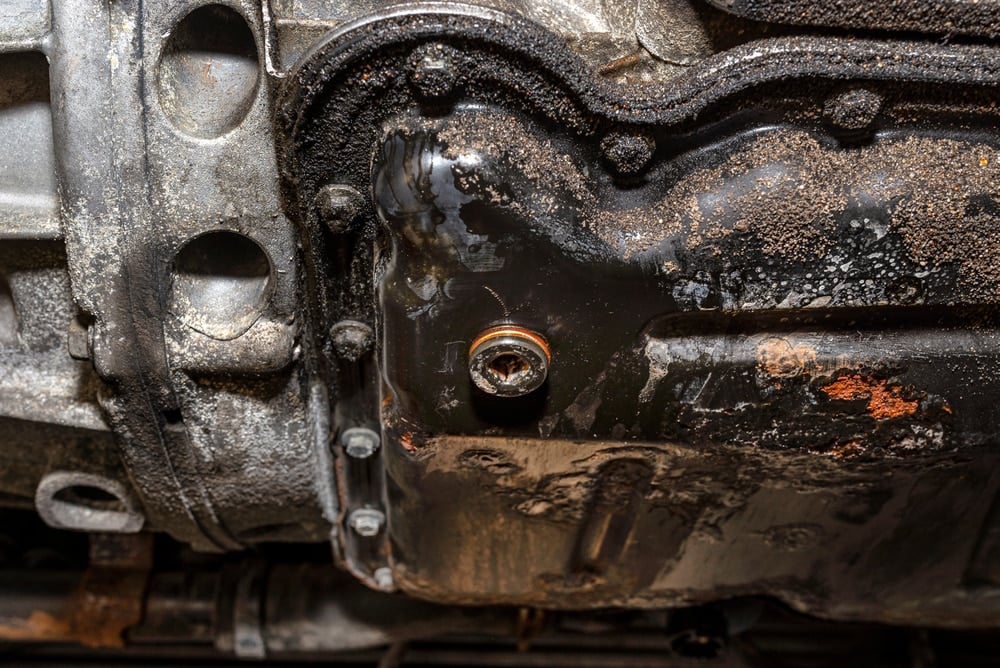
Around the oil pan is a gasket that helps to seal it closed. Thankfully, these gaskets are constructed from heavy-duty materials, so they are extremely resistant to pressure and heat.
Yet, they aren’t indestructible. The oil pan gasket can be damaged just from tightening the pan down too hard or due to old age. If there’s oil leaking from around the pan, the gasket is likely damaged or worn.
4. Bad Valve Cover Gasket
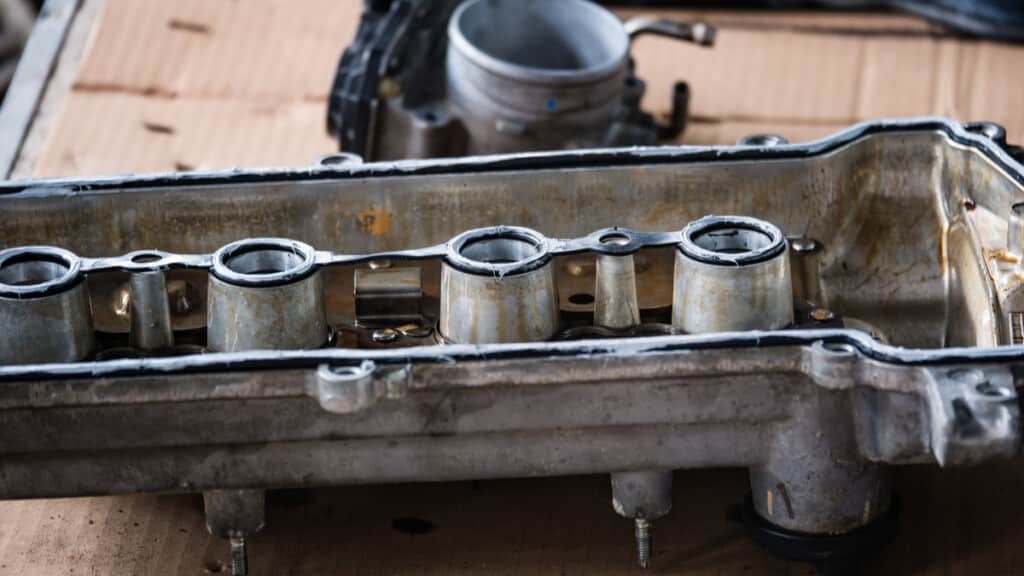
The valve cover is found on the top of the car engine. It’s designed to protect the components in the cylinder head. It also houses the engine oil filler cap. This valve cover has a gasket that seals it to prevent leakage.
If the valve cover area has gotten oily, the gasket might be worn out. At first, the oil may just seep, but it could start to drip out as the gasket wears down more.
5. Rusty Oil Filter
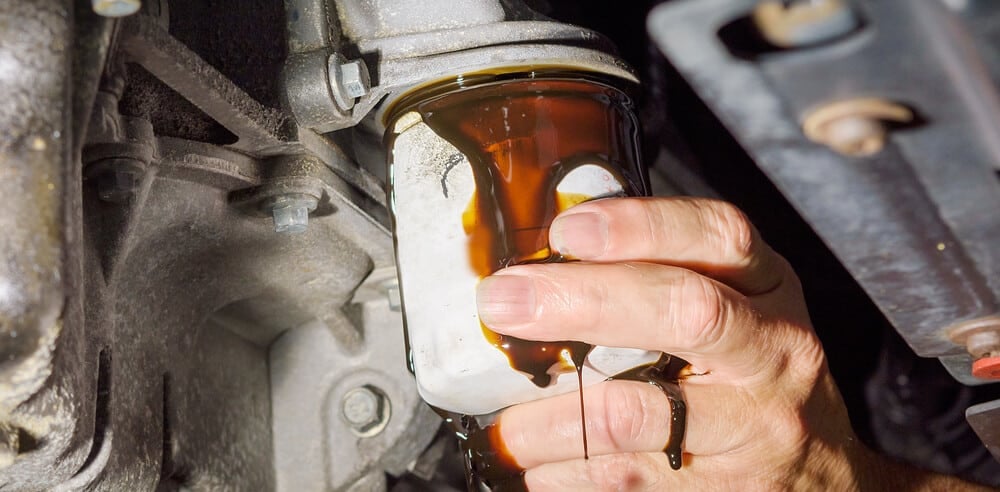
When you change the engine oil, the filter should also be changed. However, you may have installed it wrong or it could be defective. The oil filter can also become rusty over time, especially if it’s been exposed to the elements.
When oil leaks from the filter, it normally comes out from the gasket or the O-ring. Also, the filter can leak if it was installed too tightly.
6. Clogged Crankcase Ventilation
The crankcase ventilation system often contains a mesh filter. This filter is prone to clogs as it gets older. When a clog occurs, a vacuum leak can also happen, leading to many performance issues. You will also find the PCV valve, which can become clogged with age.
This will cause an overpressure in the crankcase, causing oil to leak out from various places. You can test this by removing the oil cap to see how much pressure is inside the engine when it is running.
7. Damaged Head Gasket
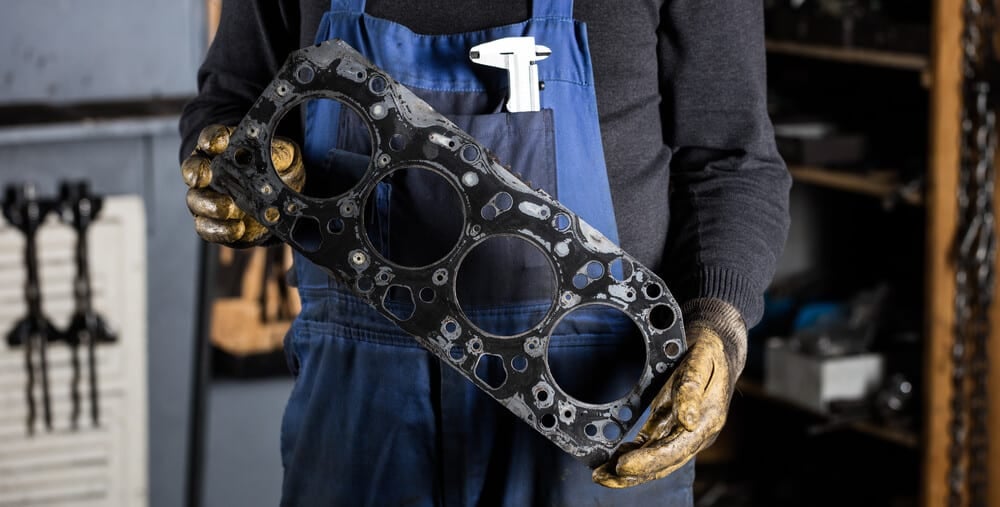
The head gasket is required to provide a seal between the engine block and cylinder head, keeping the engine oil and coolant separate. When the head gasket fails, oil can leak internally and mix with the coolant.
However, these leaks aren’t always internal. You may also see oil dripping from around the head. This is not a problem to put off fixing.
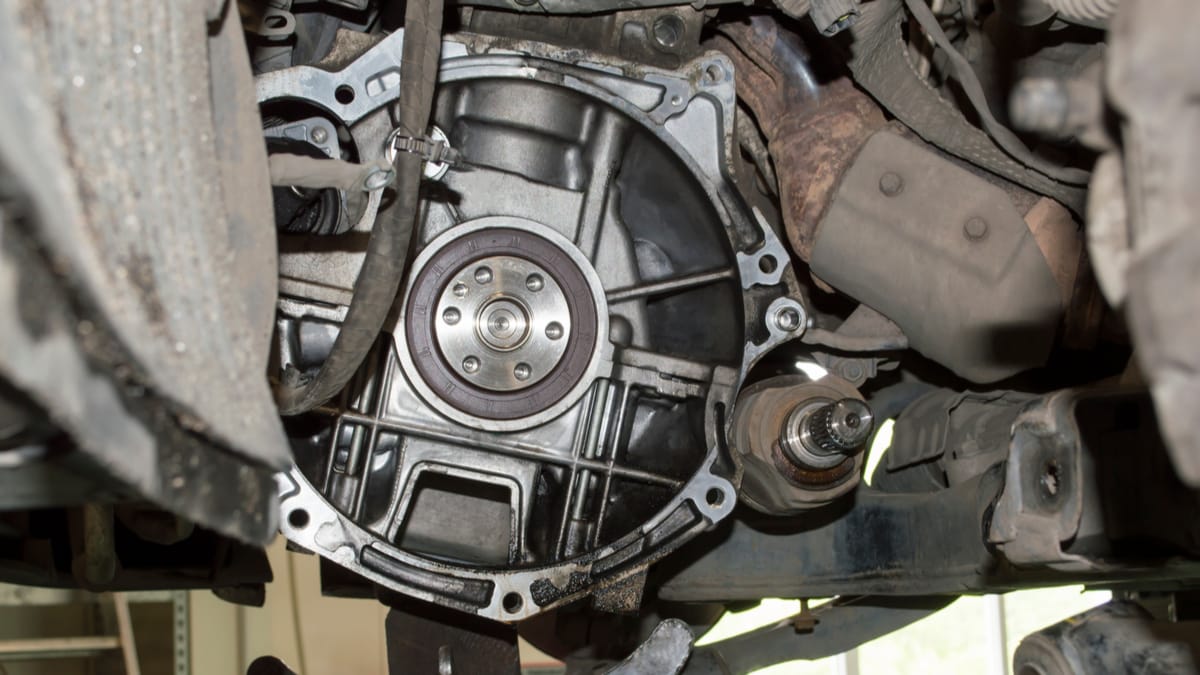
8. Crankshaft or Camshaft Seals
Your engine has multiple seals, all used to keep oil in its place. Two of the most important seals include those around the crankshaft and camshaft. If there’s an oil leak, one of these may be to blame.
The crankshaft seals are found at either end. If either dries out or cracks, a leak will occur that is found underneath the engine. If the leak is larger, it could blow oil on the front or rear of the engine while you drive.
There could also be a camshaft seal leak. This problem would cause oil run down from the top of the engine.
9. Oil Cooler/Heat Exchanger
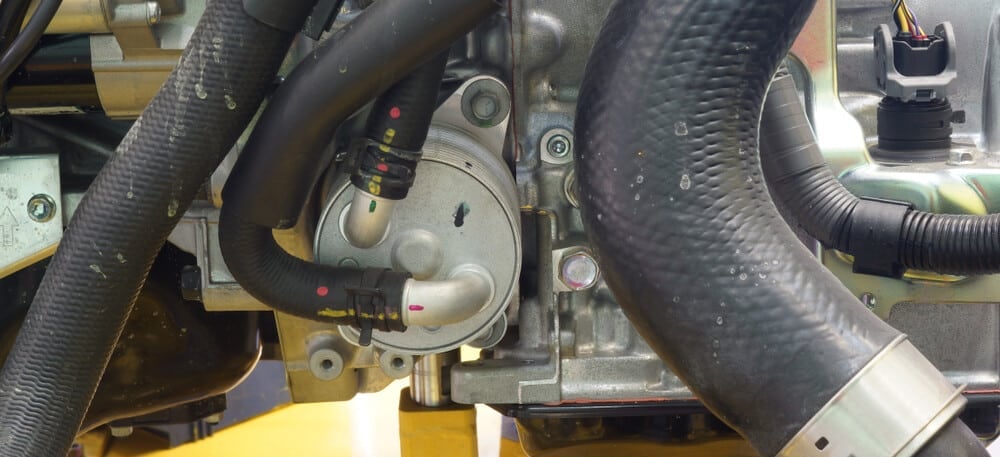
An engine oil cooler helps to remove the excess heat from the motor oil. The adapter has a rubber O-ring or gasket attached that can fail. When this happens, oil can leak from the cooler.
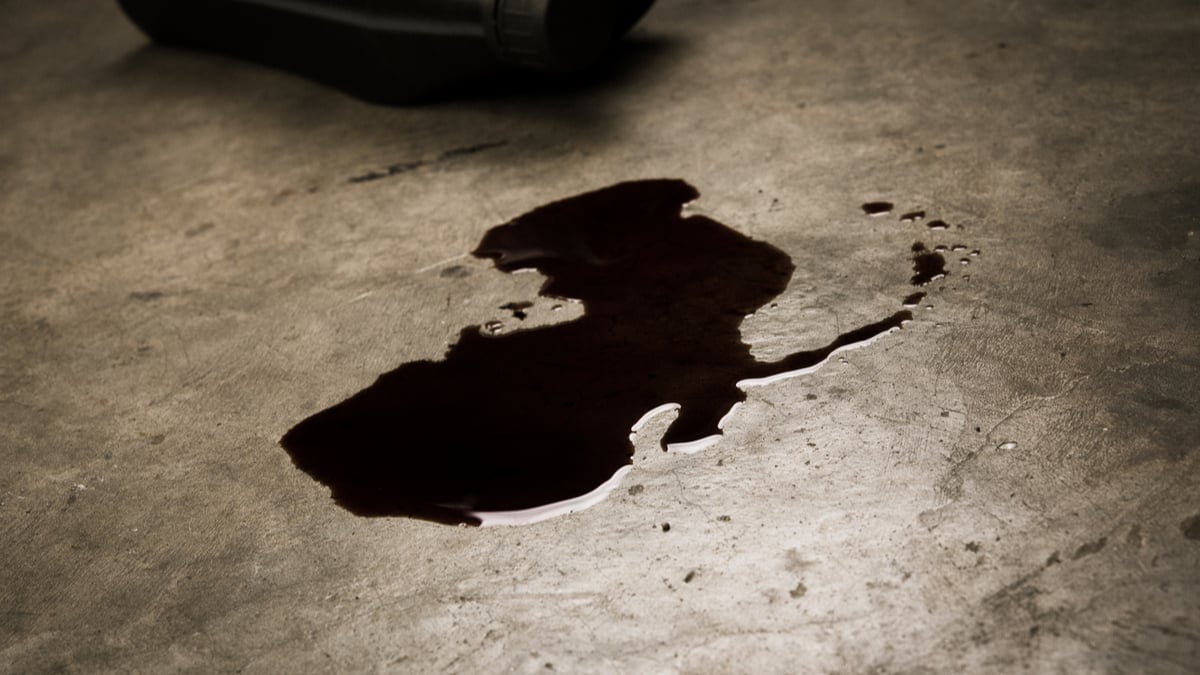
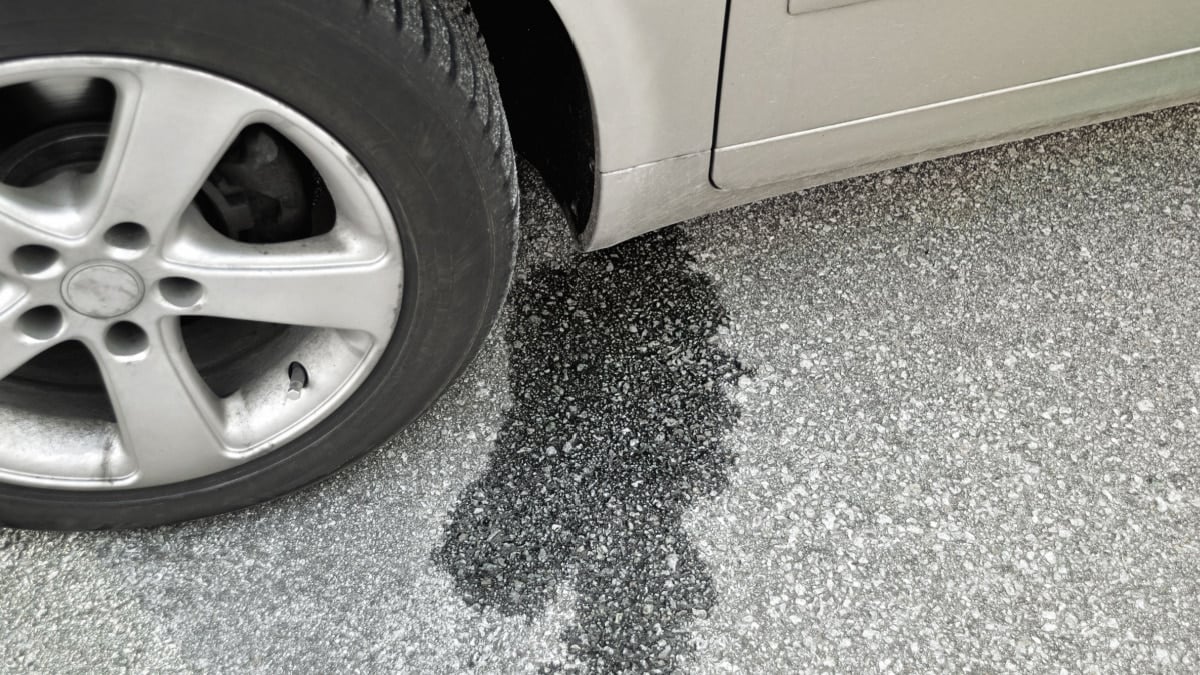
You may see a puddle on the ground. It can also lead to a stream of oil coming from behind the vehicle.
10. Oil Pressure Sensor
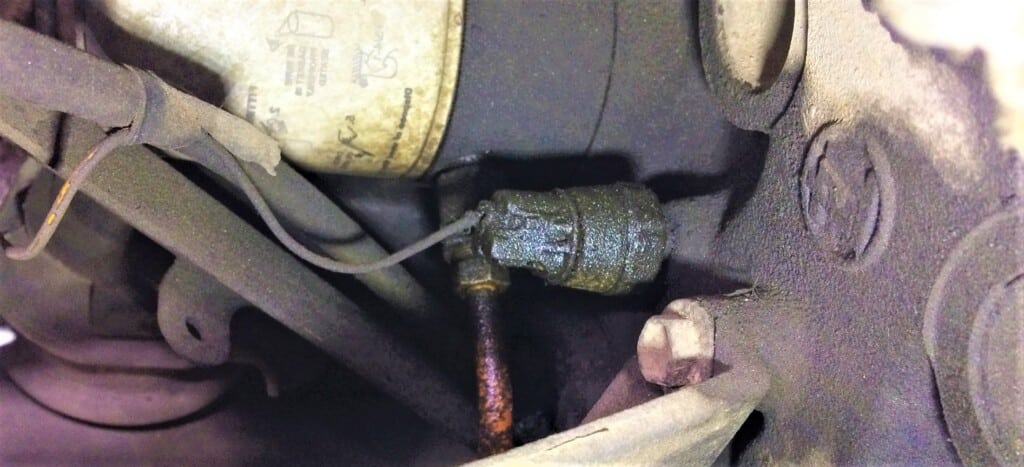
If the oil pressure sensor fails, you may see the Low Oil light come on. Additionally, oil can start to leak around the defective sensor.
The oil pressure sensor is vital to keeping the engine running properly. Continuing to drive at this point may lead to engine damage.
How To Fix A Car That’s Leaking Oil
Once you notice that the car is leaking oil, you want to start troubleshooting what’s wrong so it can be fixed. With most aspects of the diagnosis, you don’t need to be a professional. Here are some steps we recommend doing if you feel comfortable.
1. Wash and Clean The Engine
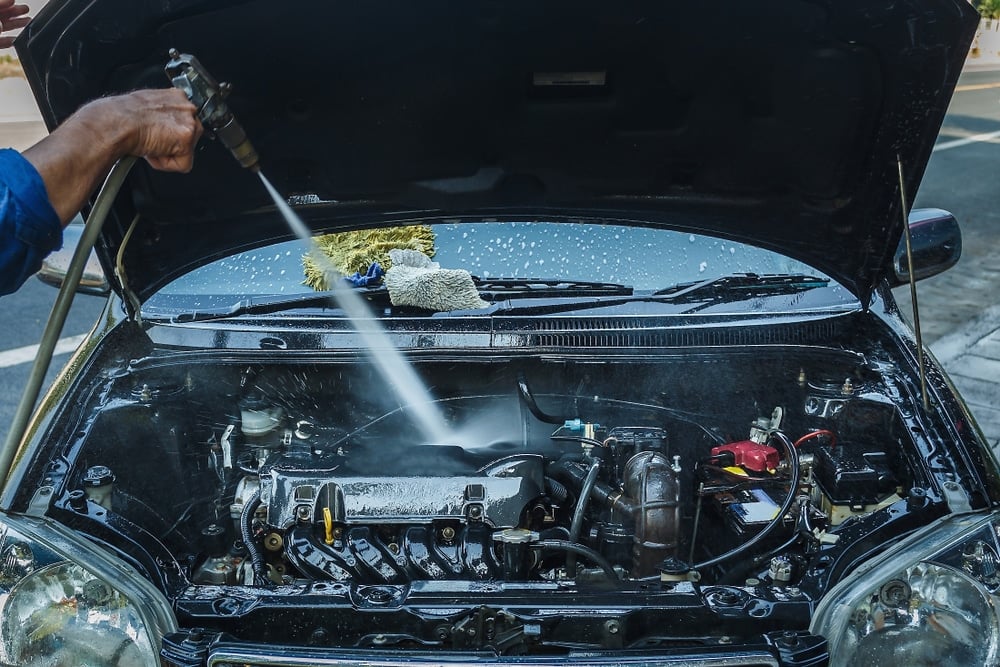
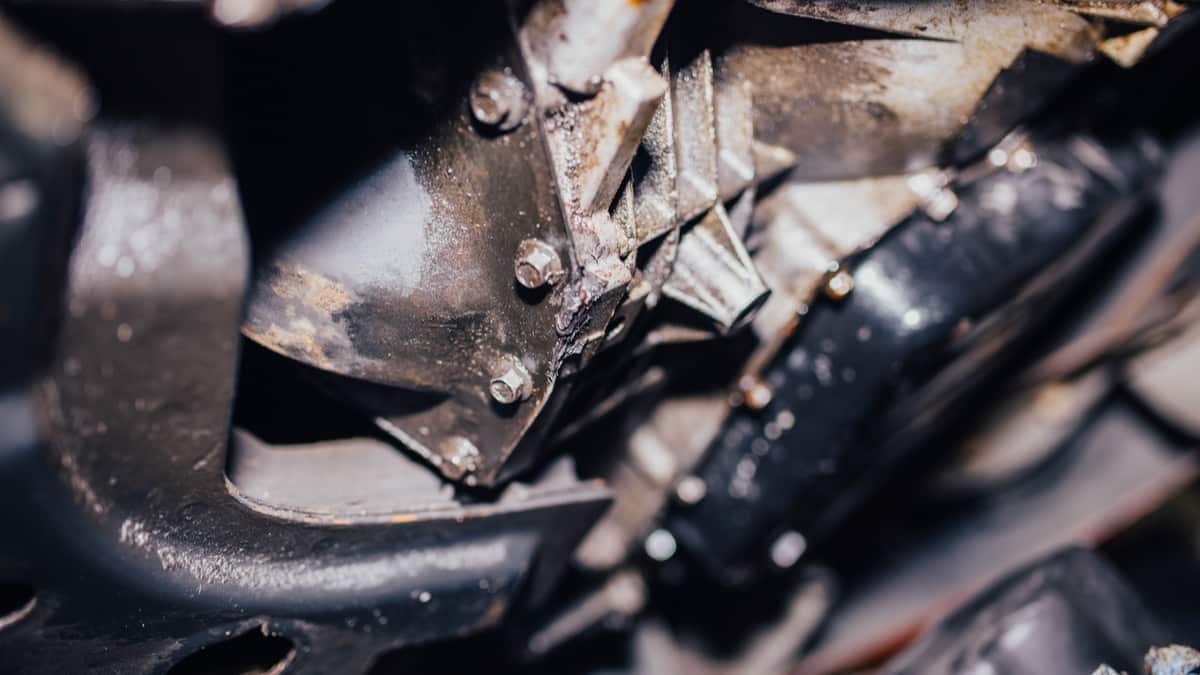
Because oil has been leaking, you may notice some spots around the engine and on other components. To properly diagnose the leak, it’s best to start with a clean slate.
Perform a high-pressure wash of the engine, cleaning off all of the dirt and grime. Just be careful not to spray things like the alternator, sensors or intake with high-pressure water.
2. Start The Engine
Once the engine has been cleaned off, you can start the car. Let it run for a few minutes and warm up. This may be all that’s needed to spot the leak.
Otherwise, you can also take it for a small test drive. Avoid traveling further than needed as oil can blow to different components as it leaks, making it difficult to pinpoint the origin.
3. Look For Signs Of Any Leaks
Look around the engine to find the source of the leak. You want to examine all of the parts we identified earlier.
It’s best to start with the parts that are easiest to get to and the most likely to fail. We recommend checking the oil drain pan and plug first. As technicians, these are where we see the majority of leaks occur.
4. Replace The Leaking Part
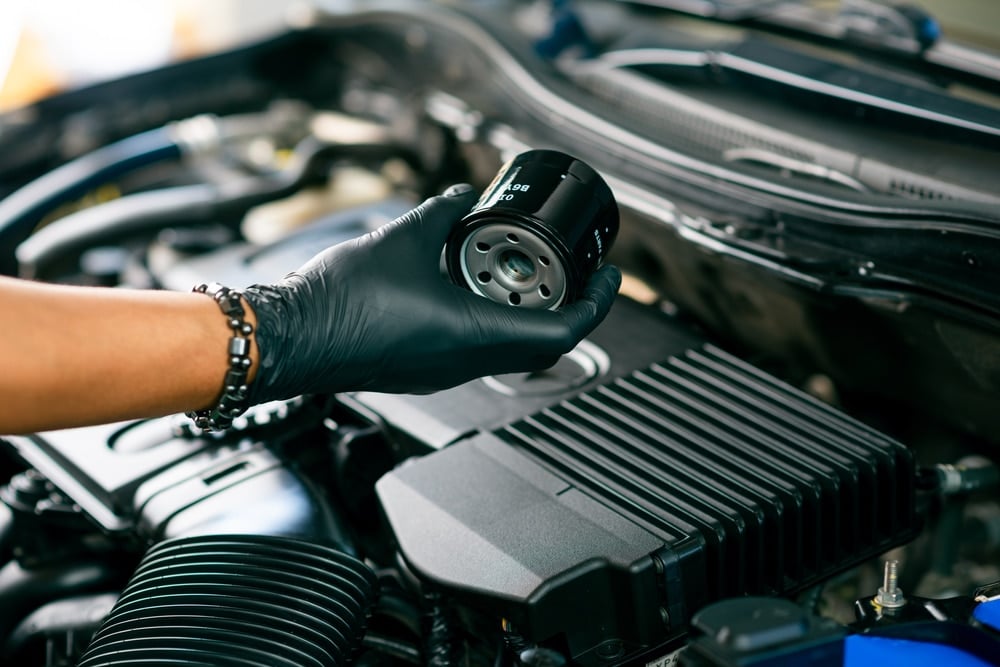
Once you’ve identified the fault, you know what needs to be replaced. If it’s an easy job and you feel confident putting the new part on, go ahead and tackle it.
Some parts are easier to replace than others. For example, you may not have trouble putting a new drain plug or pan on, but doing the head gasket would be a different story.
5. Clean The Engine Again And Test Drive
If you have replaced the defective part, it’s time to test out your work. Go ahead and clean the engine once again.
Once the engine is clean, take the car for a test drive. After you return home, double-check the area that was leaking to ensure it is fixed.
6. Contact A Professional
Whether you can’t get the part repaired on your own or you don’t feel comfortable taking on the job, it’s best to reach out to a local auto repair shop. You can take your vehicle to an independent shop or trust your local dealership, but the latter option will normally cost more.
If you don’t know where to go, try reading some online reviews. It’s best to pick a mechanic that excels at pleasing others, especially when dealing with your valuable car.
RELATED: How Much Does It Cost To Fix A Car Oil Leak?
FAQs
No, you should have the leak repaired immediately. Even if the car continues to run and you think it’s just a small leak, the situation can deteriorate quickly. If the engine goes without the right amount of oil or pressure for even a short time, permanent damage can occur.
It depends on what needs to be repaired. If you need to put in a new oil drain plug, you may only spend $5 to $25 as long as you can install it yourself. However, replacing a head gasket can often be one of the most expensive jobs, costing, on average, between $1,500 and $2,250.
You should start examining the vehicle immediately to see if you can find the source of the leak. Once the leak is identified, you should repair it, either at your home garage or through a professional mechanic. It’s not wise to drive with leaking oil as it can cause serious engine damage.
The engine doesn’t need to be running for oil to leak out of certain places. For example, oil can drip out of the defective drain plug or pan while the car is parked. A damaged valve cover gasket is often susceptible to oil leaks while driving or when parked.
Yes, it doesn’t take long before low oil levels or pressure cause damage to the engine. Even if you think there’s enough oil in the system, more can leak out than you expect. Your best bet is to have the system checked at the first sign of an oil leak.
Conclusion
Engine oil is meant to stay within the motor, never to escape. However, this isn’t a perfect world and the car parts endure a lot of stress. Years of high heat and excessive mileage can start to wear out valuable components, small and large. What happens is an oil leak occurs as these parts fail. Some oil leaks are minimal and others major. There are also some that can’t be seen, such as when the head gasket fails and the leak occurs internally.
No matter what type of oil leak you face, it’s best to resolve the problem immediately. Allowing the engine to run without the right amount of oil only leads to serious damage. What may cost you $5 to fix today can turn into an engine replacement quickly, if you don’t stay on top of it.