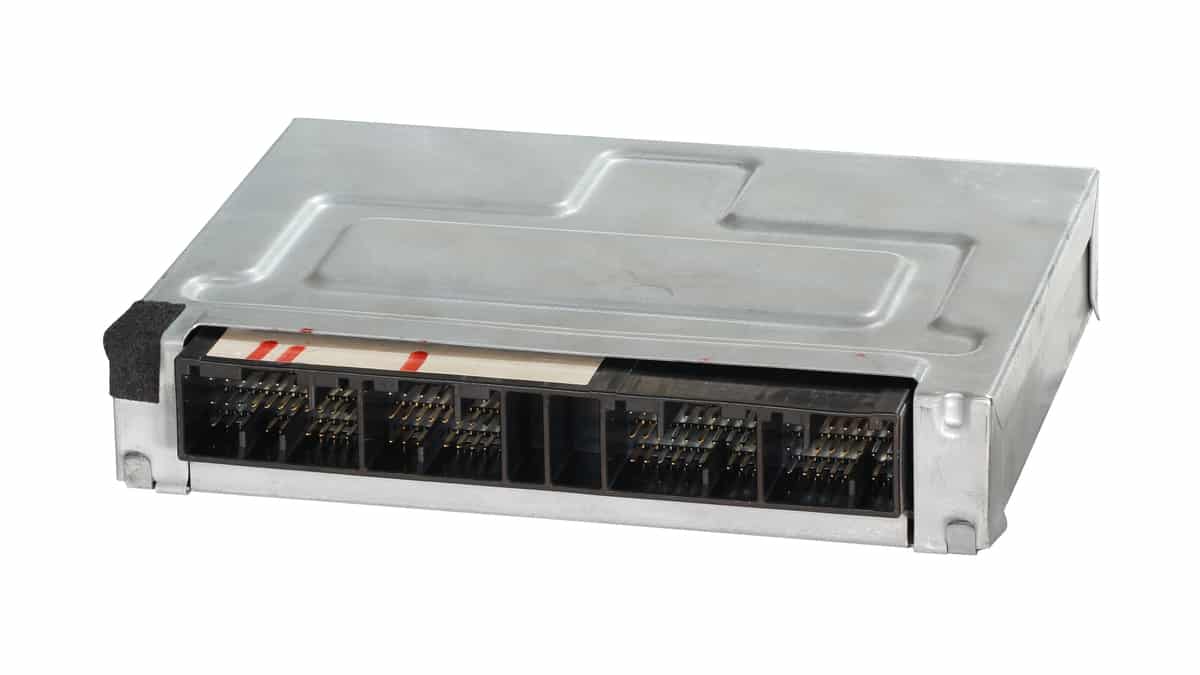

A properly functioning ABS control module gives you the confidence and safety you need every time you hit the road. When this part starts to fail, your risk of losing control during sudden stops increases, especially on wet or slippery surfaces.
The ABS control module monitors wheel speed and regulates brake pressure to help maintain steering control under hard braking.
In this guide, we’ll go over the symptoms of a bad ABS control module, along with its location, function, and replacement cost. But first, let’s take a closer look at the most common signs to watch for.
Signs Of A Bad ABS Control Module
1. Locking Wheels

The ABS control module ensures that the wheels don’t lock up when traction is lost. However, as this part fails, the information needed to keep the wheels from locking isn’t accurate.
If your wheels begin to lock up when traction is lost, the ABS control module might be to blame. Typically, you will only notice the problem if you slam on the brakes. Otherwise, if the wheel is consistently locking up, it could be a stuck brake caliper instead.
2. ABS Warning Light

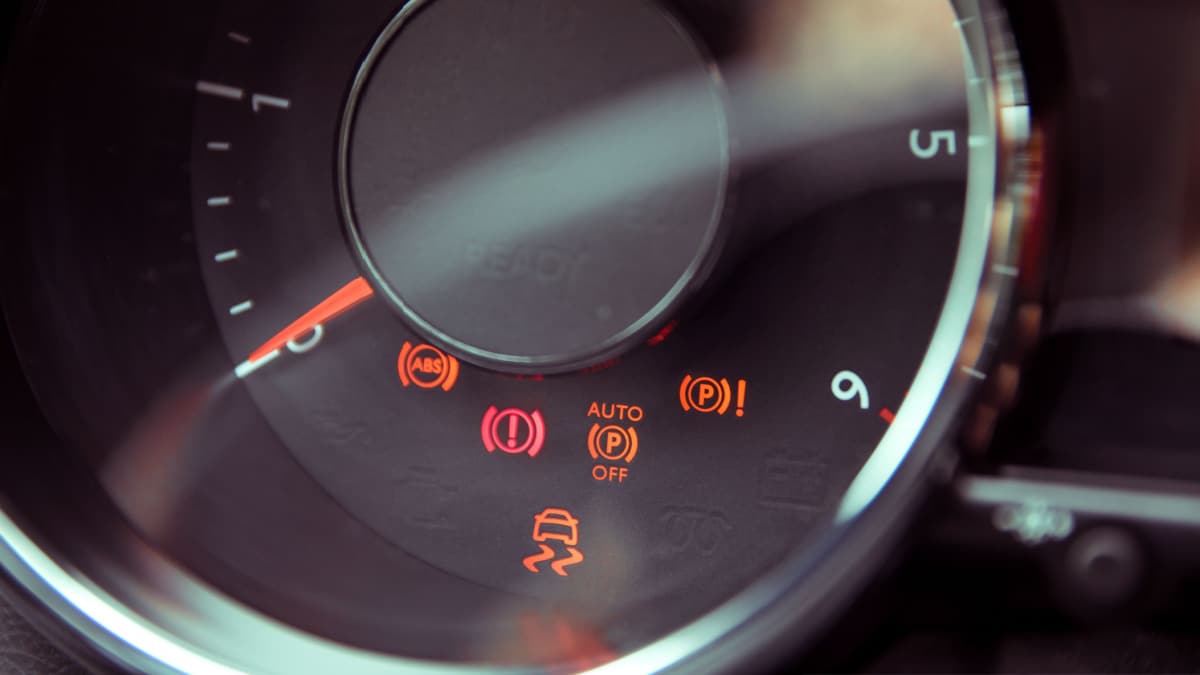
All newer cars contain an ABS dashboard light to tell you when a problem exists. If the ABS control module fails, this is one reason for the light to illuminate.
Newer models contain an amber light that says ABS. However, older models don’t have this dedicated light. They might use the Check Engine Light instead.
Once the ABS light is on, the system might stop functioning at all. Even if you can drive without the ABS, you shouldn’t. It is a vital safety feature that is meant to protect you.
RELATED: What does the ABS light mean & What Causes it?
3. Increased Braking Effort

When you push the brake pedal down, it should still stop you. However, the effort needed to stop might become more pronounced.
As time passes, you might notice it takes more effort to stop your vehicle and push down on the brake pedal. If it feels like you are getting a leg workout every time you need to stop, you might want to have the system checked.
4. Unresponsive Brake Pedal

When you step on the brake pedal, you want to know that the vehicle is going to stop. However, a bad ABS control module can make stopping more difficult.
At first, you might notice the increased braking effort discussed above. As time goes on, this effort will become more pronounced and might even cause you to lose the brake pedal function completely.
This issue can also be caused by low brake fluid levels, so be sure to perform a complete system inspection. You might consider having the brake fluid system flushed to ensure no air exists in the lines.
5. Inaccurate Speedometer Readings
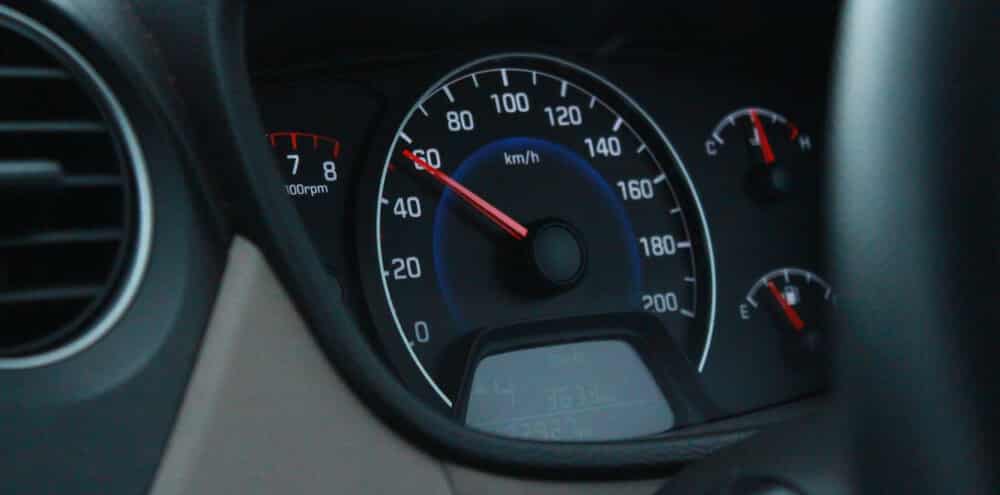
Sometimes, when the ABS control module fails, the speedometer ceases to operate normally. This isn’t a common occurrence, but one that could happen.
Either the speedometer will sit at 0 mph, or it will read the incorrect speed. This symptom is usually in conjunction with the Check Engine or ABS light coming on.
ABS Control Module Function
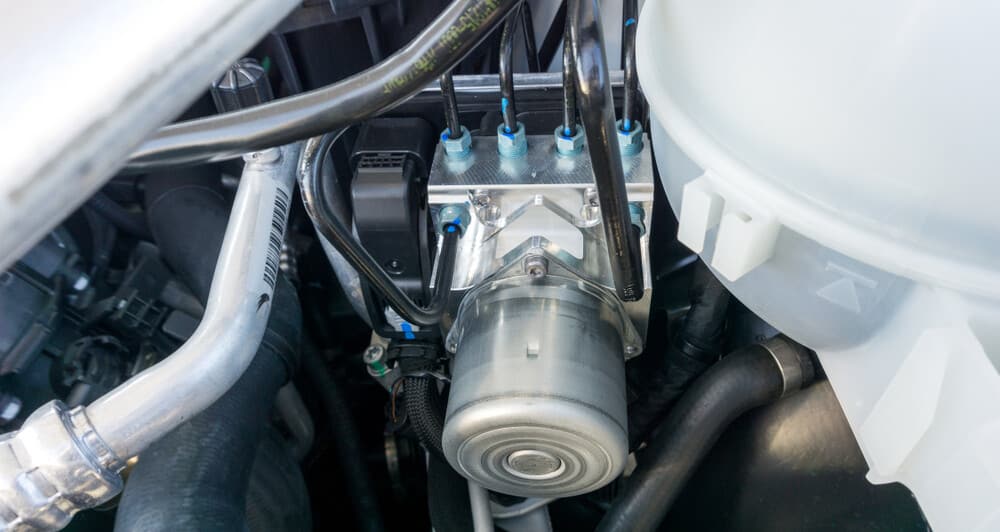
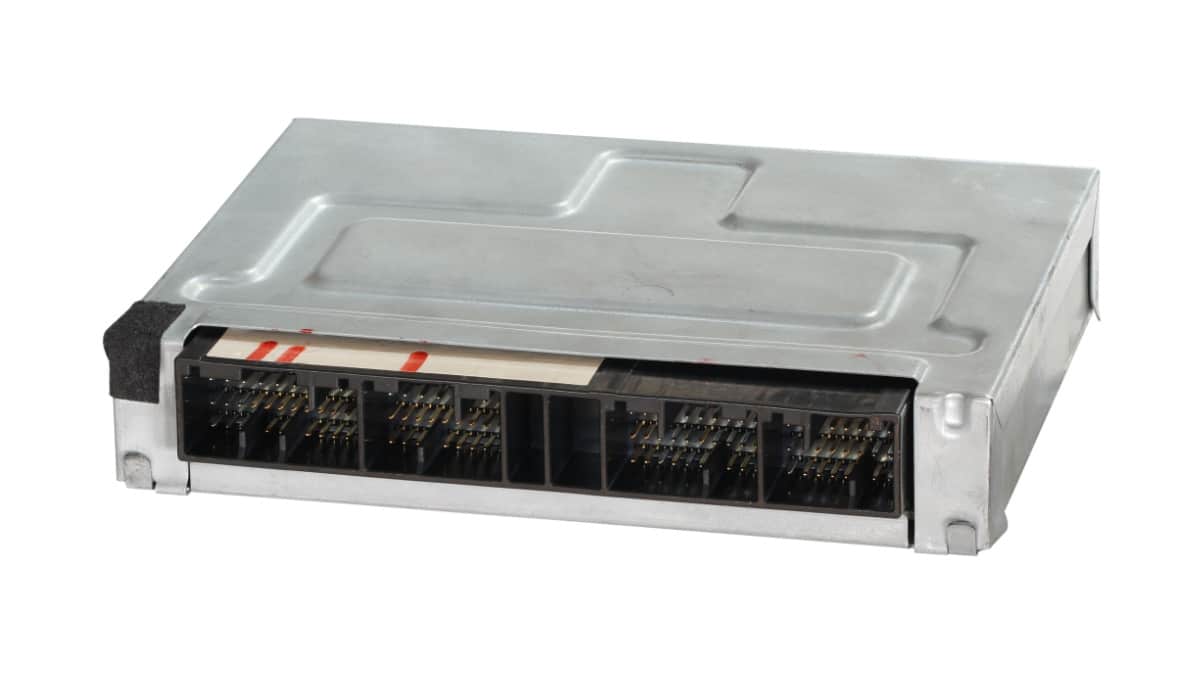
The ABS (anti-lock braking system) control module is an electronic device that acts as a computer. Information coming from the ABS sensors is processed by the ABS control module. Then, the ECU takes the data and processes it, creating electronic information to ensure the system works as it should.
When the vehicle loses stability or traction, this system is responsible for processing the next steps to ensure safety. It can also help determine how much pressure needs to be applied to each wheel to stop it.
The control module effectively monitors the braking frequency and the required braking pressure. It uses the information received from the sensors indicating how fast the tires are rotating to avoid any slippage.
ABS Control Module Location
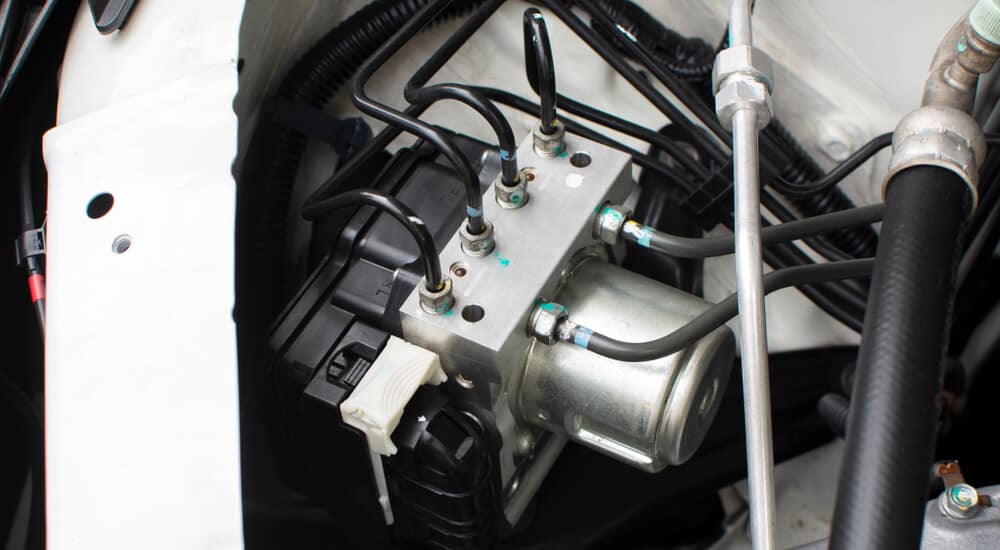
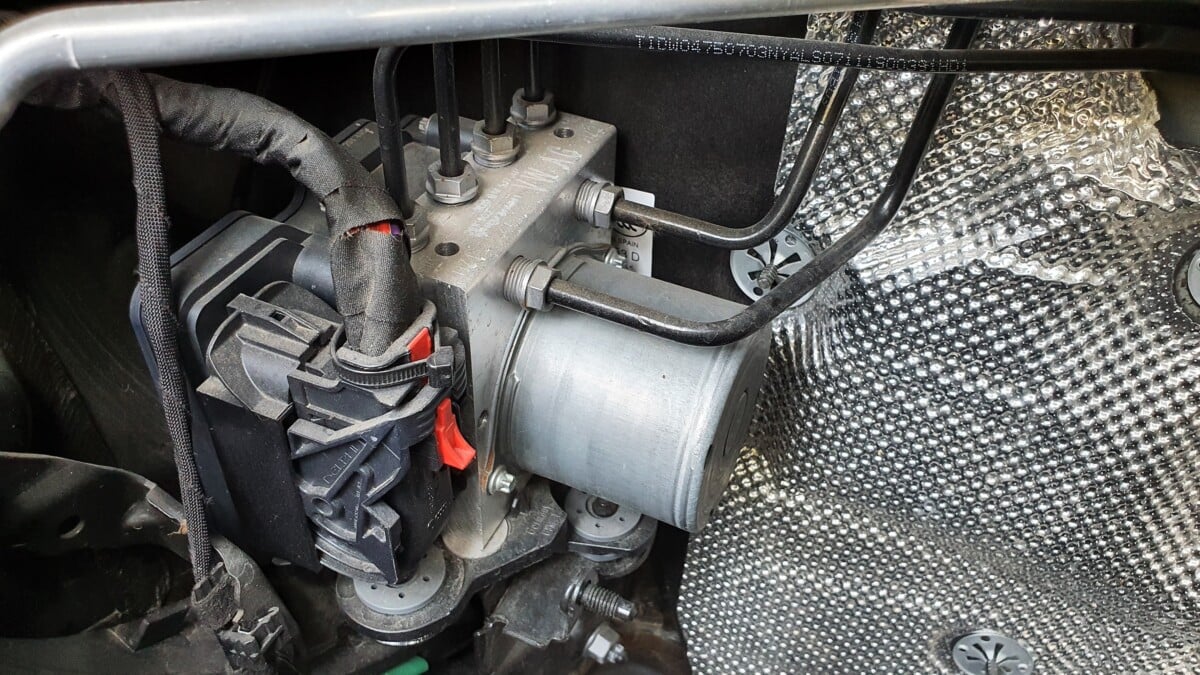
The ABS control module is found in the engine compartment of most vehicles. However, it can also be found on the driver’s side frame rail in a few models.
You may need to lift the vehicle to find the ABS control module. It could also be located under plastic panels or covers.
You will find the ABS control module bolted to a solenoid block with several brake lines connected to it. If you are unsure, reference the service manual to find the location for your vehicle’s make and model.
ABS Control Module Replacement Cost
The average ABS control module replacement cost is between $200 and $1500, depending on the car model and labor costs. The ABS control module should cost between $150 and $900 for parts, and the rest is the cost of labor.
If you complete the replacement yourself, labor won’t run you anything. Otherwise, professional fees might run from $80 to $300, depending on how accessible the module is. For many amateurs, it makes sense to have a professional mechanic replace the ABS control module, since the braking system can be touchy.
The problem is that you often need to code or reprogram the new control unit with special diagnostic tools, which may only be available to the dealership.
You also want to look for any technical service bulletins regarding the ABS control module or its software. For example, many Volkswagen cars have a bulletin on the ABS module.
FAQs
Yes. The ABS control module is often repairable, but it is not easy. Also, repairing it can sometimes be more expensive than simply replacing it. You should consult a mechanic or car dealer to determine if your ABS module can be repaired or needs replacement.
ABS modules are designed to last the lifetime of a vehicle, but like any other component, they can eventually fail. Many factors can affect the lifespan of an ABS module, including how often it is used, what model it is, and what kind of driving conditions it is subjected to. In general, however, you can expect an ABS module to last at least ten years.
On modern cars, the only way to reset the ABS control module is to use a compatible OBD2 scanner. In older models, it may be enough to disconnect the battery and then reconnect it after a few minutes. This will often refresh the system and clear any errors that may have occurred.
Driving with a bad ABS control module can be dangerous and should be avoided if at all possible. Bad ABS control modules can cause a number of problems with your car’s braking system, including reduced braking power, longer stopping distances, and sudden unexpected braking.
Conclusion
A failing ABS control module can seriously affect your braking performance and overall safety on the road. If you notice warning lights, unresponsive brakes, or your ABS activating at the wrong times, it’s important to have the system checked as soon as possible.
While replacement can be costly, restoring your ABS system ensures proper braking control and helps prevent accidents. Taking care of the problem early keeps both you and your vehicle safe.