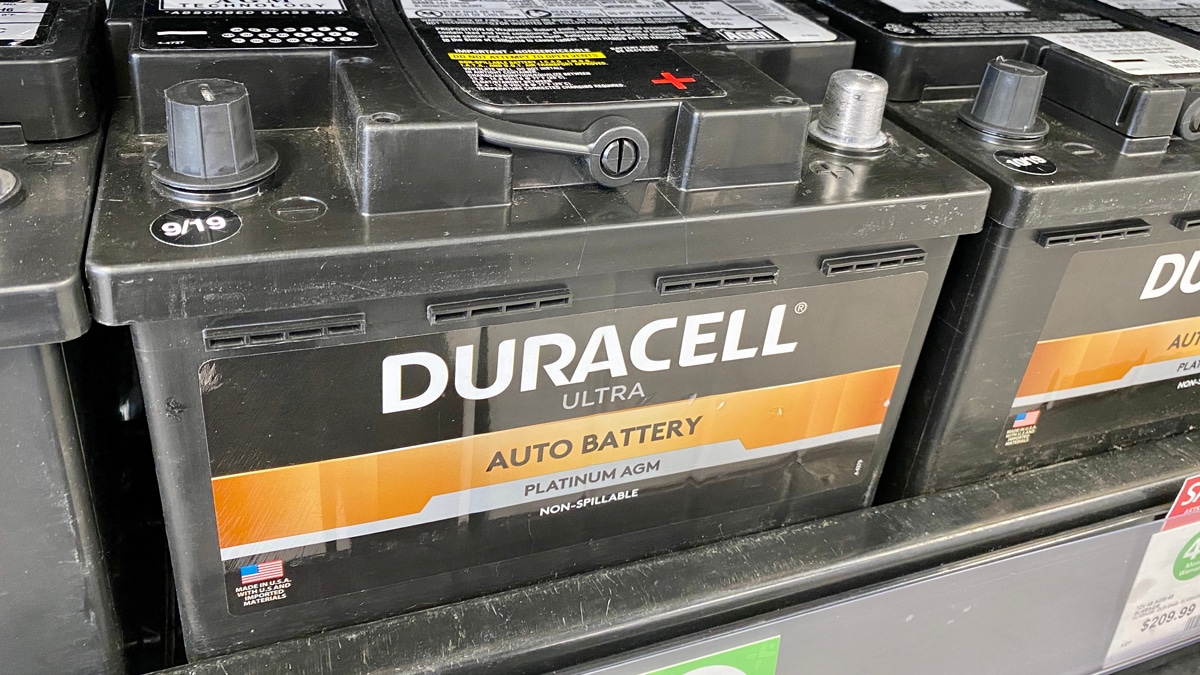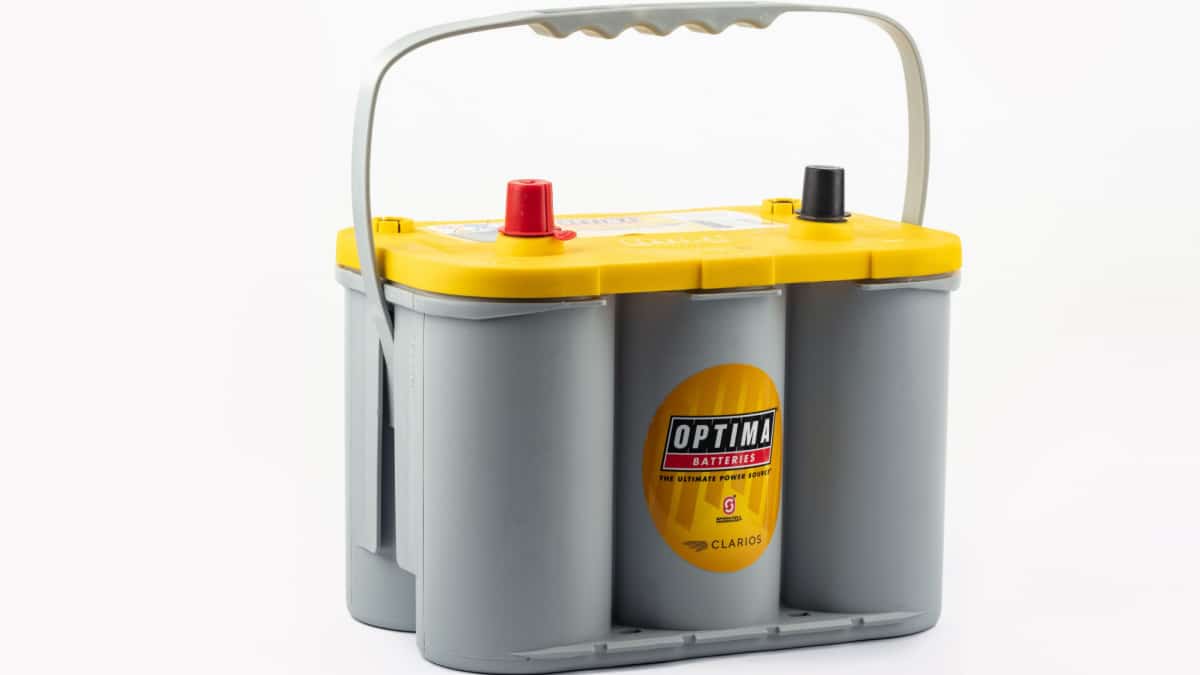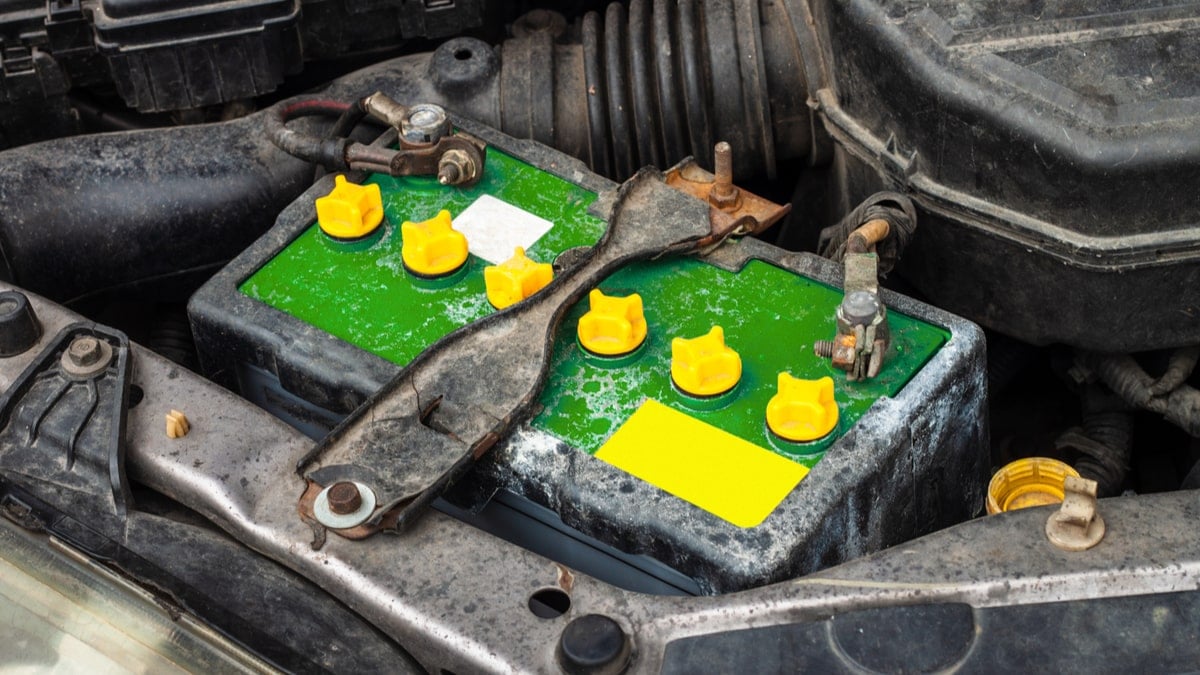

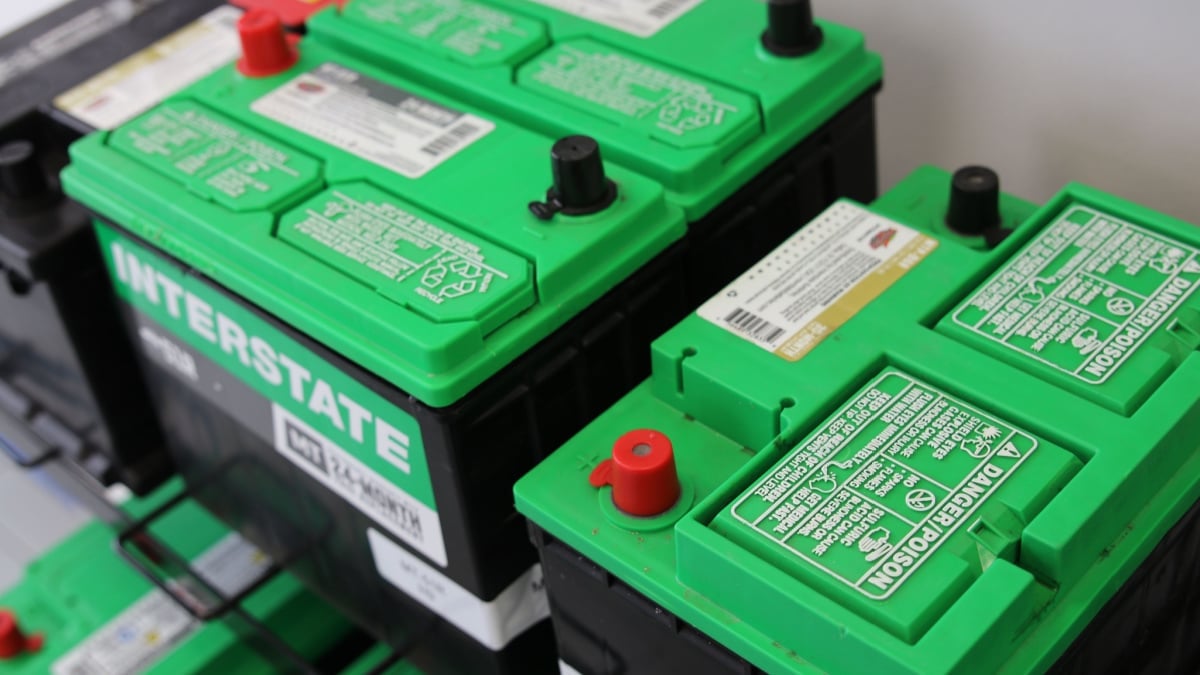
Choosing a replacement battery by brand alone can lead to a poor fit. Interstate sells several automotive lines with different specifications and warranty terms, and two batteries that look similar can still differ in technology, capacity, and price. This guide explains how the main Interstate lines compare and what to check before buying one.
Are Interstate Batteries Good?
Interstate can be a good choice if the exact battery matches your vehicle and its price, warranty, and local service make sense. The brand name by itself does not prove that one battery will last longer or perform better than a comparable battery from another brand. Compare batteries with the same required size and technology, then check their ratings and full warranty terms. For a broader comparison of brands and battery types, see our guide to the best car batteries.
This comparison is based on Interstate’s published product information and warranty terms. No controlled side-by-side durability tests were conducted for this article, so it does not claim that Interstate batteries are universally more reliable than comparable products from other brands.
Who Makes Interstate Batteries?
Interstate is a battery brand with a large distributor and dealer network. The company describes a network of wholesale distributors, dealers, and All Battery Center stores on its About Us page. Its public automotive product pages identify battery models and specifications, but do not name one manufacturer for every car battery. Check the label and exact part number rather than assuming all Interstate batteries come from the same factory or use the same construction.
Interstate Car Battery Lines
The main U.S. automotive lines are M, MT, MTP, MTX, and MTZ. Their advertised free-replacement periods differ. The table summarizes the standard automotive model prefixes; the warranty for a specific part number or application can have exceptions.
| Line | General position | Advertised free-replacement period* |
|---|---|---|
| M | Entry-level automotive line | 18 months |
| MT | Standard automotive line | 24 months |
| MTP | Higher-tier automotive line | 30 months |
| MTX | Premium line with AGM and EFB options for some applications | 36 months** |
| MTZ | AGM line | 48 months |
*These are the currently advertised U.S. free-replacement periods for the standard automotive lines. They are not a promise that every failure or use is covered. **The MTX-AUX12 product page lists a separate 12-month warranty. Some MT and MTP models also have a discounted replacement period after the free-replacement period. Check the terms for the exact battery and purchase date.
M, MT, and MTP
M is the entry-level line, while MT and MTP offer longer advertised free-replacement periods. Interstate also advertises additional performance-warranty periods for some MT and MTP batteries. Those later periods may provide a discount on a replacement rather than another free battery, so compare the actual warranty terms instead of treating every month as full replacement coverage.
The exact cold-cranking amps (CCA), reserve capacity, group size, terminal layout, and battery construction vary by model. Use the vehicle’s required specifications and the listing for the exact part number to make the comparison.
MTX and MTZ
MTX includes AGM and enhanced flooded battery (EFB) options for certain vehicles, including applications designed for start-stop operation. Use the same battery technology specified for your vehicle unless its manufacturer allows a different type. An AGM or EFB battery is not automatically an upgrade if the charging system and vehicle were designed for another type.
MTZ is Interstate’s AGM line and has a longer advertised free-replacement period than the standard MTX line. That longer period can matter, but it does not make MTZ the best choice for every car. Confirm fit, required technology, ratings, price, and the exact warranty before choosing it.
Commercial batteries
Do not apply the passenger-car warranty table to commercial batteries. Interstate’s current U.S. warranty lists commercial coverage by model, and the free-replacement period varies. Choose a commercial battery by the vehicle and duty cycle, then check the warranty for its exact part number.
What to Check Before Buying an Interstate Battery
1. Confirm the fit and group size
Start with the owner’s manual or the vehicle’s battery label. Check the group size, terminal position, hold-down style, and dimensions. A battery can have enough cranking power and still be the wrong fit if the cables do not reach correctly or the case cannot be secured.
Interstate’s car battery finder can help identify candidate batteries. Confirm the result against the owner’s manual or service information, especially if the vehicle has multiple battery options.
2. Match the battery technology
Replace an AGM or EFB battery with the type specified for the vehicle unless the manufacturer permits another option. Some start-stop vehicles require a particular battery design. Installing a different type can affect charging behavior and service life. If you are unsure which type the vehicle uses, check the battery label and service information before ordering.
3. Compare CCA and reserve capacity
CCA measures a battery’s ability to deliver starting current in cold conditions. Meet or exceed the vehicle maker’s requirement, but do not choose by the highest CCA number alone. Reserve capacity and other ratings may also matter for the vehicle. Interstate explains these ratings in its battery selection guide.
4. Compare the real price and warranty
Compare the total price of batteries that meet the same fit and technology requirements. Then read the warranty for the exact model. A longer advertised period may include a discounted replacement period, not extra months of free replacement. Warranty eligibility can depend on the part number, purchase date, seller, and how the battery is used.
For the current terms, use Interstate’s U.S. warranty information and warranty lookup. The policy effective July 15, 2026 applies to eligible batteries purchased on or after that date. Earlier purchases use the policy for their purchase period. Keep the receipt and confirm that the seller is an authorized warranty dealer.
Pros and Cons of Interstate Batteries
Potential advantages
- Several automotive lines: The range includes standard starting batteries and AGM or EFB options for some applications.
- Dealer network: Interstate has a large network of distributors and dealers, which may make local purchase or warranty service convenient.
- Published model information: Its product pages list important specifications and advertised warranty periods for many models.
Things to consider
- Warranty differs by model: Do not assume every Interstate battery has the same free-replacement period or eligibility.
- Availability and price vary: The exact battery and local selling price depend on your vehicle and dealer.
- Brand alone does not establish value: Compare a suitable Interstate battery with equivalent batteries from other brands using fit, technology, ratings, full price, and warranty terms.
A Weak Battery Does Not Always Mean You Need a New One
Slow cranking, repeated no-starts, or a battery that keeps going flat can point to a weak battery, but they do not prove it has failed. A discharged battery, poor terminal connection, charging-system fault, or electrical drain can cause similar symptoms. Have the battery and charging system tested before replacing parts. See our guides to bad battery symptoms, checking battery health, and testing the alternator.
If a battery repeatedly loses charge, replacing it without finding the cause can leave you with the same problem. The charging system and vehicle draw should be checked, particularly if a new battery also goes flat. If the battery is discharged but tests serviceable, follow the vehicle and battery maker’s charging instructions. See how to charge a car battery.
FAQ
How long do Interstate car batteries last?
There is no guaranteed lifespan for every Interstate battery. Battery life depends on the exact model, climate, driving pattern, charging system, and how often the battery is deeply discharged. If starting becomes slow or the battery repeatedly goes flat, test it and the charging system rather than relying on age alone. See our guide to how long car batteries usually last.
Are all Interstate car batteries AGM?
No. Interstate sells different battery types. MTX includes AGM and EFB options, and MTZ is an AGM line. Check the exact model and use the battery technology specified for your vehicle.
Does Interstate offer the same warranty on every battery?
No. The free-replacement period and other coverage vary by model and application. Commercial, auxiliary, and some other battery models have separate terms. Check the exact part number and purchase date in Interstate’s warranty information before buying.
Where can I buy an Interstate battery?
Use Interstate’s location finder to check nearby dealers and service locations. Availability and price vary, so compare the exact battery and ask whether installation, testing, or warranty service is included.
How can I tell if my Interstate battery is bad?
Slow cranking and repeated loss of charge are reasons to test the battery, but they can also come from a charging-system or electrical problem. A proper battery test can help determine whether it needs charging, replacement, or further diagnosis. Do not replace the battery based on one symptom alone.