
If your car feels weak under acceleration or has a check-engine light, a restricted catalytic converter may be one possibility. But those symptoms do not prove the converter is clogged, and a code such as P0420 does not confirm a physical blockage.
A fuel additive may be worth trying for a mild deposit-related problem, but it cannot repair a melted, broken, or severely restricted converter. Before spending money on a cleaner or replacement, find out what the test results actually show.
A Converter Fault Does Not Always Mean a Clog
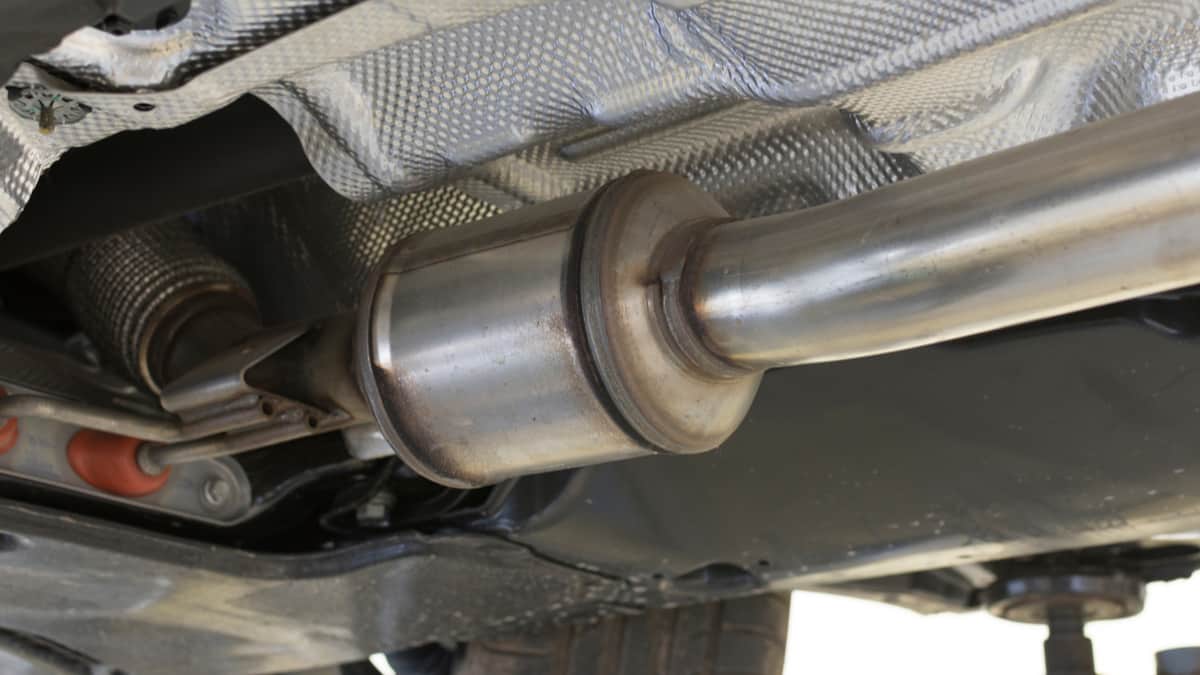
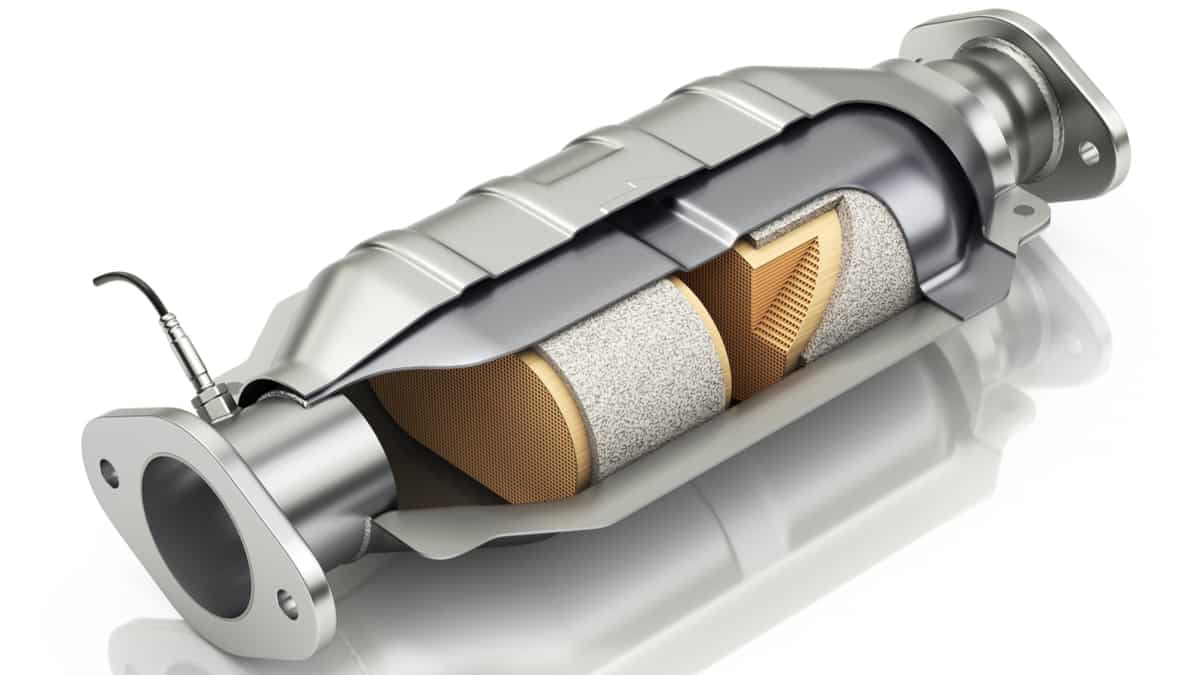
The catalytic converter reduces harmful emissions in the exhaust. It can fail in different ways. The catalyst may lose efficiency without blocking exhaust flow, or the internal material may break apart, melt, or become restricted.
These problems can produce similar symptoms, so appearance, sound, or a trouble code alone is not enough to confirm a clog. For example, P0420 means the computer detected catalyst efficiency below its expected level. It does not prove the converter is physically blocked or that the converter itself is the only cause.
Loss of power can also come from ignition, fuel, intake, or transmission problems. A rattling sound may point to broken material inside the converter, but it still needs diagnosis. Start by checking the codes and symptoms, then test the system before replacing parts.
Can a Catalytic Converter Cleaner Unclog It?

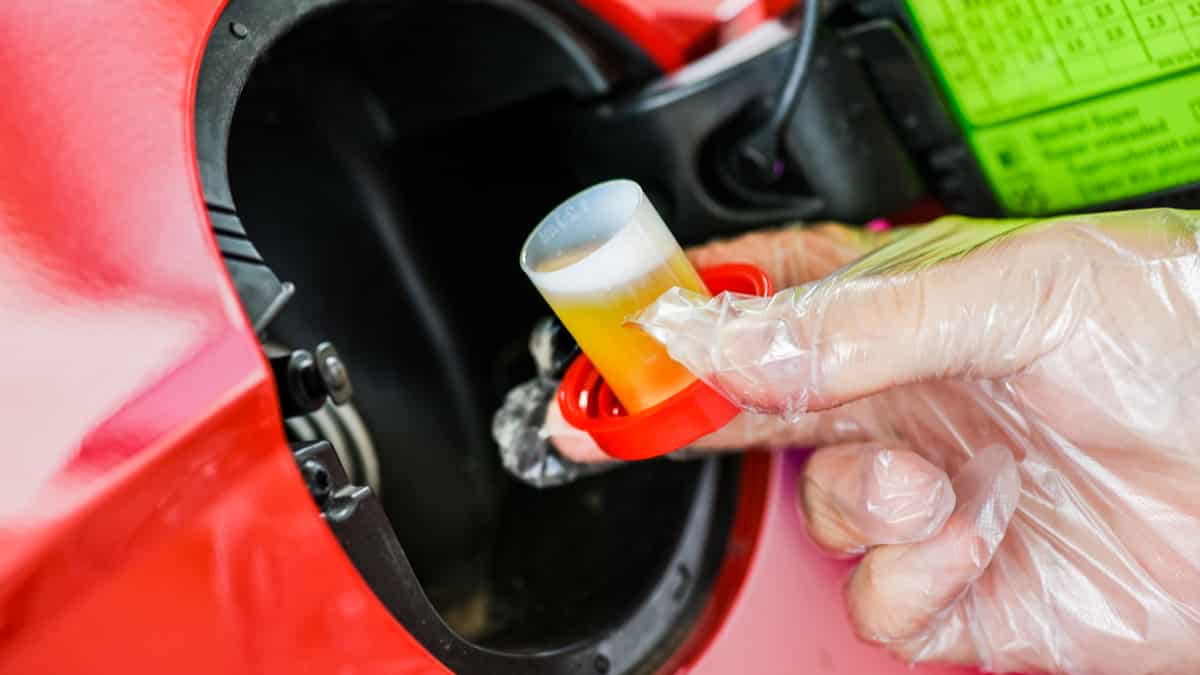
A fuel additive may be worth trying when the vehicle has mild symptoms and no evidence of a serious engine or exhaust problem. Follow the product label and your owner’s manual. Results vary, and the additive may not change the symptoms.
A cleaner will not repair a converter with a melted or broken substrate, a severe restriction, or damage caused by another engine problem. If the check-engine light returns or the car still lacks power, do not keep adding products. Have the cause diagnosed.
Do not use an additive as a substitute for fixing a misfire, oil consumption, coolant entering the exhaust, or another condition that can damage the converter. Correcting the underlying problem is important even if the converter also needs replacement.
If you want to try a cleaner for mild symptoms, see our guide to the best catalytic converter cleaners. Treat it as a possible low-cost attempt, not a confirmed repair.
Will Driving Hard Clear a Clogged Converter?
I do not recommend using full-throttle driving or a so-called “Italian tune-up” to try to clear a converter. Hard acceleration does not confirm or repair a physical restriction, and it can make an existing engine or exhaust problem worse.
If the check-engine light is flashing, reduce engine load and follow the instructions in your owner’s manual. A flashing light can indicate a severe misfire, and continued misfiring can damage the converter. Arrange diagnosis promptly. See the EPA’s explanation of onboard diagnostic warning lights.
How to Check Whether the Converter Is Restricted
These checks help narrow down the problem, but a converter restriction usually needs a proper test to confirm. Use the vehicle’s service information for specifications and procedures.
- Read the trouble codes. Use a scan tool to record stored and pending codes and freeze-frame data. A code can point toward the system that needs attention, but it does not automatically identify the failed part. An OBD-II scanner can help retrieve engine codes; some vehicles need a more capable tool for additional data.
- Check for problems that could damage the converter. Look for misfire codes, fuel-control issues, oil consumption, coolant loss, or related symptoms. These faults can affect converter performance or cause further damage if left unresolved.
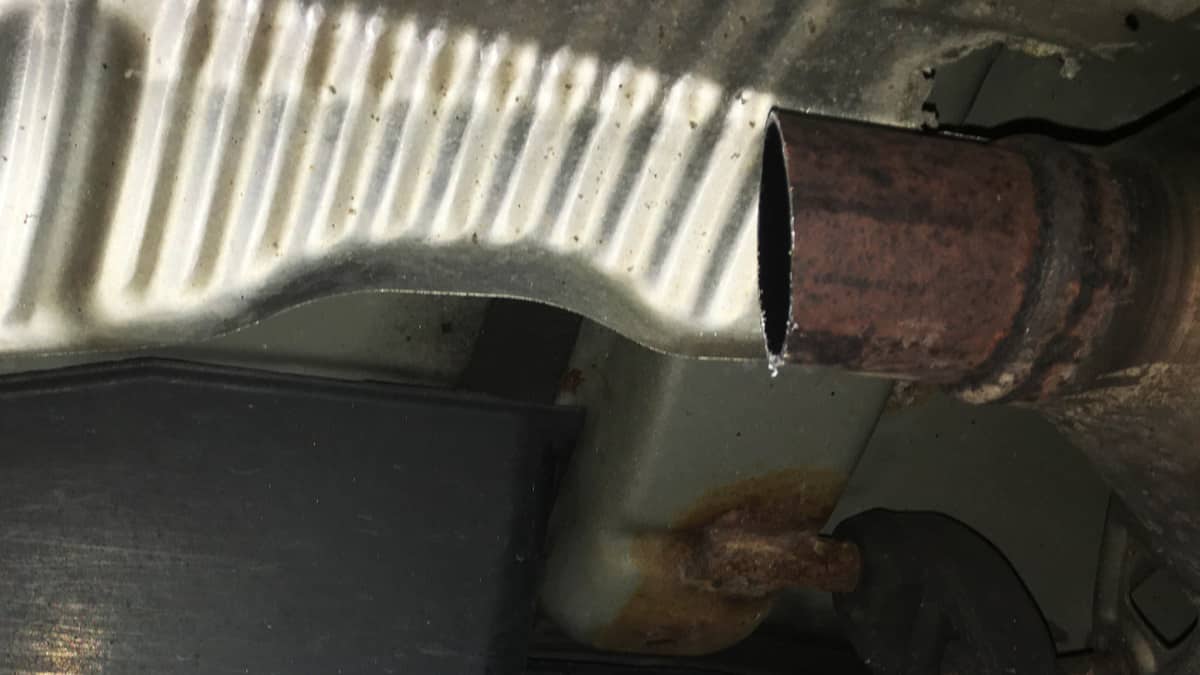
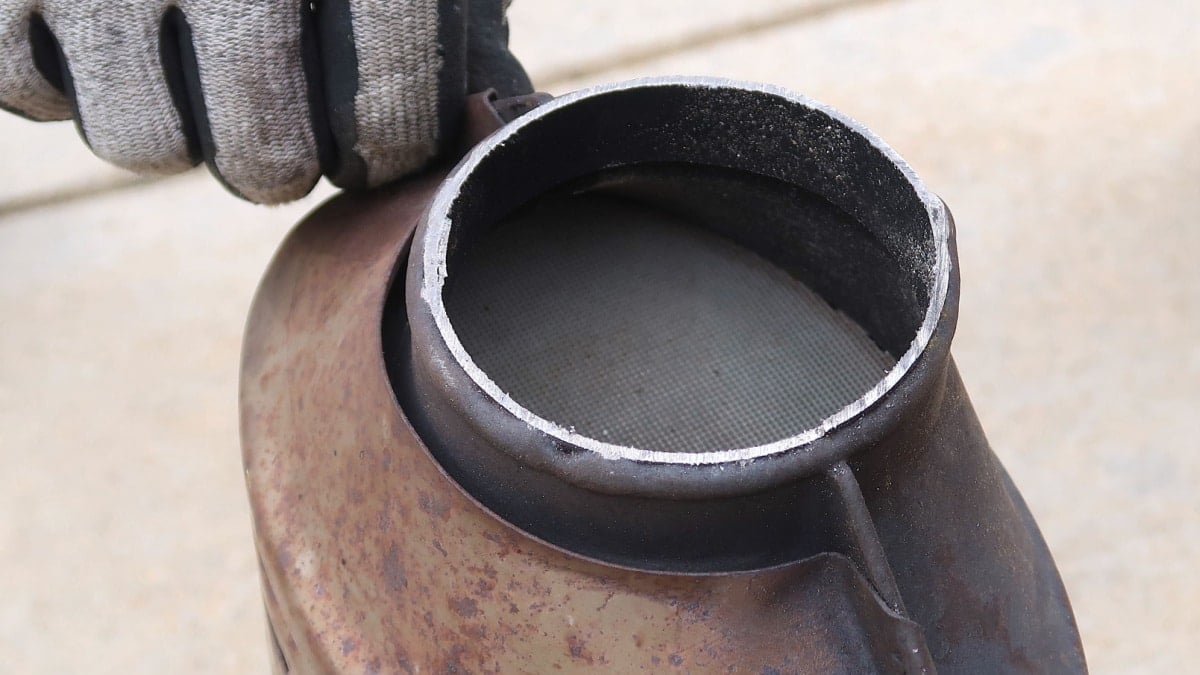
- Inspect for exhaust leaks or physical damage. With the exhaust completely cool, look for dents, impact damage, loose connections, or signs of overheating that are visible without getting under an unsupported vehicle. A visual check cannot confirm an internal restriction.
- Have exhaust flow tested if restriction is suspected. A technician can use the vehicle-specific diagnostic procedure and suitable tools to check for excessive exhaust backpressure or another restriction. Do not remove oxygen sensors or loosen hot exhaust components as a shortcut.
- Repair the confirmed cause and retest. After repairs, clear codes only when appropriate, complete the required drive cycle, and check whether the code or symptom returns. A code that comes back means the diagnosis or repair needs another look.
| Finding | What it may indicate | Next step |
|---|---|---|
| P0420 or P0430 | Catalyst efficiency is below the computer’s expected range; this does not prove a physical clog. | Check related codes, exhaust leaks, and engine operation before condemning the converter. |
| Noticeable loss of power, especially under load | A restriction is one possibility, but other engine or drivetrain faults can feel similar. | Have exhaust flow and other likely causes tested. |
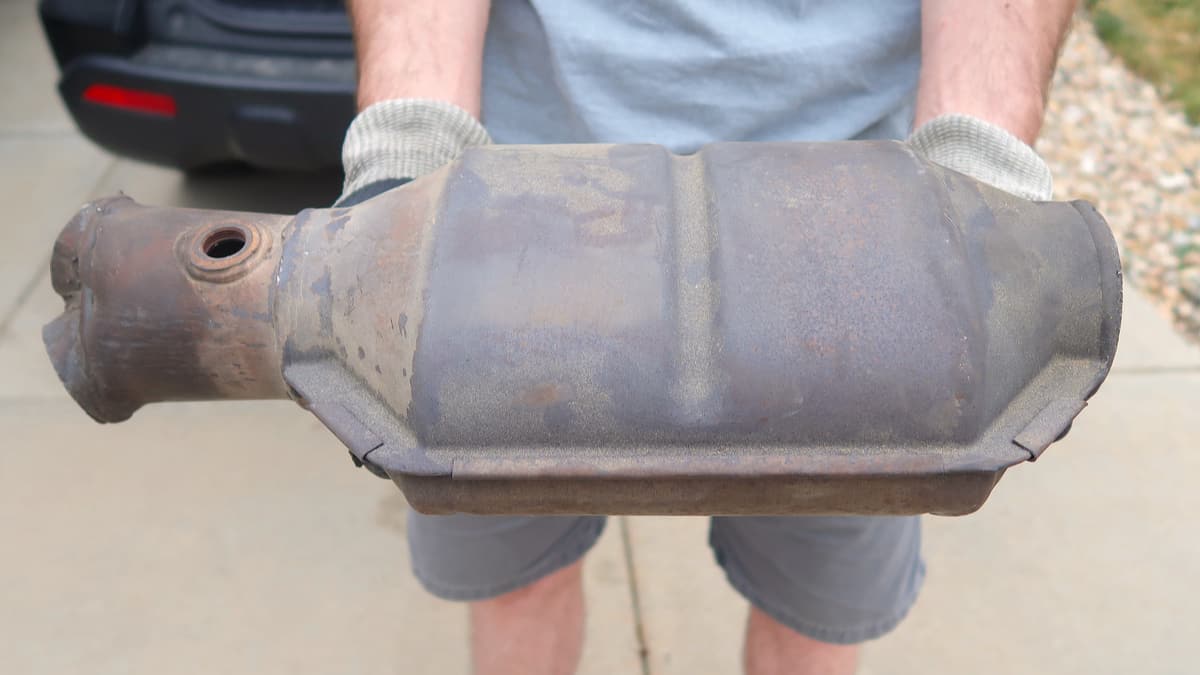
| Rattle from the converter area | Internal material may be loose or broken. | Have the converter inspected; do not try to break up the material with a hammer. |
| Flashing check-engine light or severe misfire | An active misfire may damage the converter. | Reduce engine load, follow the owner’s manual, and arrange prompt diagnosis. |
Should You Remove and Wash the Converter?

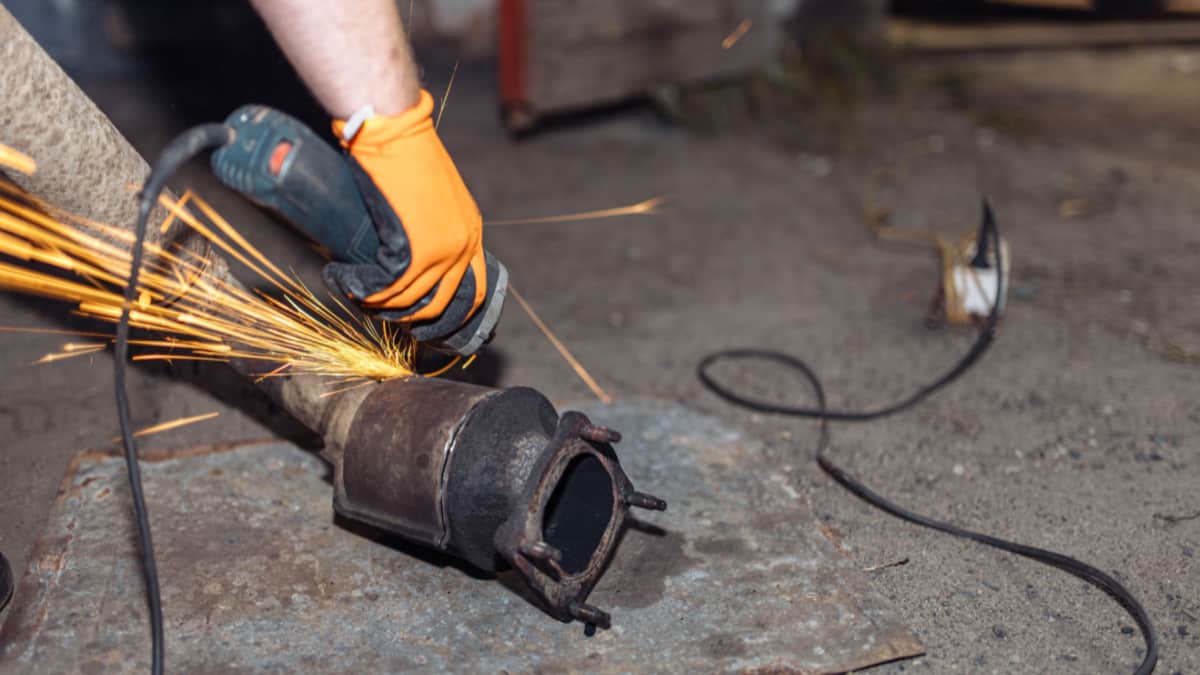
I do not recommend removing a converter at home to pressure-wash or soak it. That approach can damage the internal material, oxygen sensors, exhaust connections, or surrounding parts, and it may not restore the converter’s performance.
Work under a vehicle also carries a serious crush risk if it is not supported correctly. The exhaust can remain hot after the engine is shut off. If testing shows that the converter is damaged or restricted, have it repaired or replaced using the correct procedure and a part that complies with the requirements for your vehicle and location.
What Causes Catalytic Converter Problems?
A converter can be damaged by problems elsewhere in the engine or exhaust system. Common issues to investigate include:
- An engine misfire that sends unburned fuel into the exhaust
- An overly rich fuel mixture or another fuel-control problem
- Oil or coolant entering the exhaust
- Physical damage from an impact
- Contamination or deterioration over time
Replacing the converter without correcting the cause can lead to another failure. If the engine is misfiring, for example, diagnose that problem before installing a replacement. You can also read our guide to the signs of a bad or clogged catalytic converter.
How Much Does Catalytic Converter Replacement Cost?
The price depends on the vehicle, converter location, part selection, and labor. Some vehicles have more than one converter, and certain models require a more expensive part. Use our catalytic converter replacement cost estimator for a vehicle-specific starting point, then get a written estimate from a repair shop.
Can You Drive With a Clogged Catalytic Converter?
It depends on what is causing the symptoms and how severe they are. Avoid driving and arrange help if the engine is misfiring badly, the check-engine light is flashing, the vehicle is losing power severely, or you notice smoke, an unusual burning smell, or signs of overheating. If the light is steady and the vehicle runs normally, arrange diagnosis soon and avoid hard acceleration or long trips until you know the cause.
Frequently Asked Questions
Does P0420 mean the catalytic converter is clogged?
No. P0420 indicates that catalyst efficiency is below the computer’s expected range. It does not prove the converter is physically blocked or that it is the only cause. Check related codes, exhaust leaks, and engine operation before replacing parts.
Can a catalytic converter cleaner fix P0420?
A cleaner may be worth trying for mild deposit-related symptoms, but it is not a reliable fix for a failed converter. It cannot repair a melted, broken, or severely restricted substrate. Diagnose the cause if the code returns or the symptoms remain.
Can you hit a catalytic converter with a hammer to unclog it?
No. Hitting the converter can break the internal substrate and make the problem worse. A rattle should be treated as a reason for inspection, not an invitation to break the material apart.
Can regular maintenance prevent converter failure?
Maintenance cannot prevent every failure, but fixing misfires, fuel-control problems, and oil or coolant consumption promptly can reduce the risk of damaging the converter. Use the fuel grade and service intervals specified in your owner’s manual.