

A car that shuts off without warning can be difficult to diagnose because several different problems can cause the same symptom. This guide covers the main possibilities and explains how to narrow down the cause before replacing parts.
What to Do If Your Car Shuts Off While Driving
Hold the steering wheel firmly, turn on your hazard lights, and guide the vehicle to a safe place. Steering and braking may require more effort after the engine stops, depending on the vehicle. Do not switch off the ignition while the car is moving, since that can disable systems or assistance on some vehicles.
Once stopped, shift into Park or Neutral as appropriate and apply the parking brake. If the car will not restart, stalls again, or is stopped somewhere unsafe, call roadside assistance. Avoid trying to diagnose the problem in a traffic lane or repeatedly restarting an engine that may be overheating or leaking fuel.
6 Reasons a Car Shuts Off While Driving
1. Fuel delivery problem
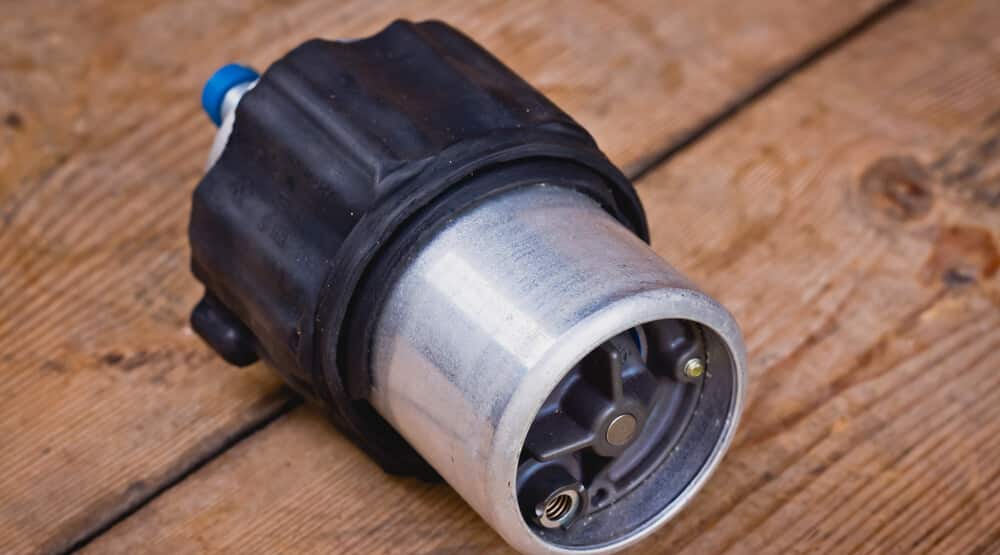
A weak fuel pump, failed pump relay, restricted filter, wiring fault, or other fuel-system problem can reduce the fuel reaching the engine. A stall that happens under acceleration or after the car has been driven for a while may point toward fuel delivery, but those symptoms alone do not confirm a bad pump.
Most fuel pumps are inside the tank, though some vehicles use an external pump. Fuel filters are commonly separate service parts, but their location and design vary. Check the vehicle’s service information and test fuel pressure or volume to the specified procedure before replacing components. Direct-injection systems can retain high fuel pressure, so leave those tests to a qualified technician unless you have the correct equipment and instructions.
Do not strike the fuel tank to try to make the pump work. This is not a reliable diagnostic test and can damage the tank or nearby components.
Related: symptoms of a clogged fuel filter, fuel pump relay symptoms, and low fuel pressure causes.
2. Crankshaft or camshaft position sensor fault

The engine computer uses crankshaft and camshaft position signals to control ignition and fuel injection. If a signal drops out, the engine may stall, crank without starting, or restart after cooling down. A trouble code can point to a sensor circuit, but it does not prove the sensor itself has failed. Wiring, connectors, the reluctor or trigger wheel, and the timing system can also cause signal problems.
Check for related codes and inspect the sensor wiring and connector. A technician may need to compare live data or test the signal while the fault is occurring. See our guide to crankshaft position sensor symptoms.
3. Charging-system or electrical-power problem
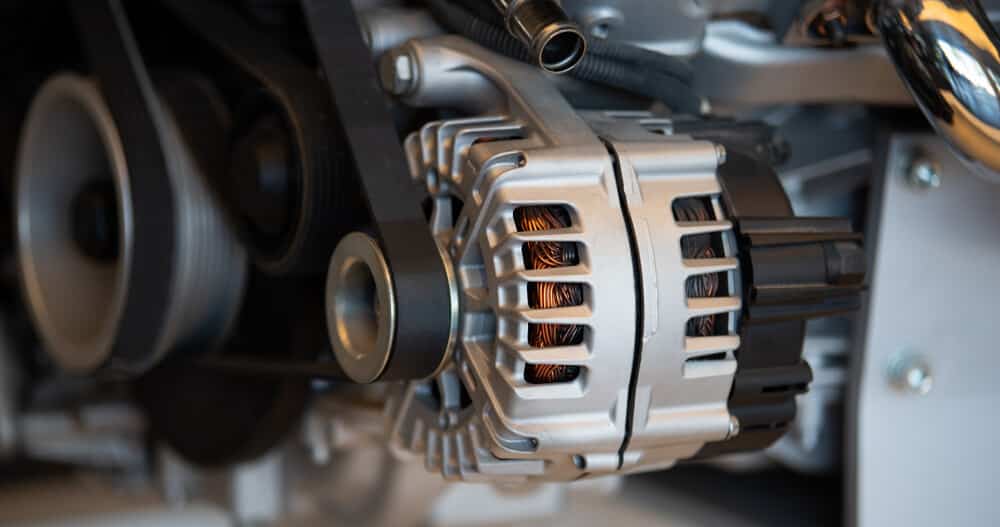
An alternator that is not charging, a loose battery connection, a damaged ground, or another electrical fault can eventually leave the vehicle without enough power to keep running. The battery warning light may come on, or the lights may dim, but warning lights are clues rather than a diagnosis.
Check the battery terminals and visible connections for looseness or corrosion with the engine off. Then test the battery and charging system using the procedure and specifications for the vehicle. Charging voltage varies with the vehicle and operating conditions, especially on systems with smart charging, so one universal voltage cutoff is not reliable. Follow our guide to testing an alternator or have a repair shop test it.
A car that still cranks after stalling does not completely rule out a charging-system problem. The battery may have enough stored power to crank the engine even if the alternator is not charging correctly.
4. Ignition switch, relay, or wiring fault
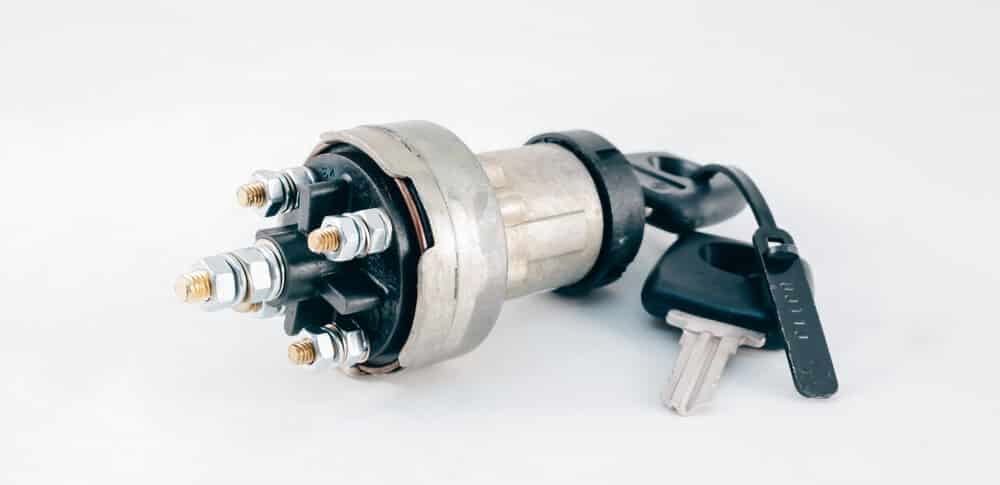
A failing ignition switch, power relay, fuse connection, or damaged wire can interrupt power to the engine controls. If the dashboard and other electrical systems also go dark when the engine stops, investigate the main power and ignition circuits. If the dashboard stays lit, the cause may still be electrical, but the symptom points toward a narrower set of possibilities.
Do not replace the ignition switch based only on a stall. A technician can check power and ground at the relevant circuits while the fault is present. Read more about ignition switch symptoms.
5. Fuel level or fuel-gauge problem
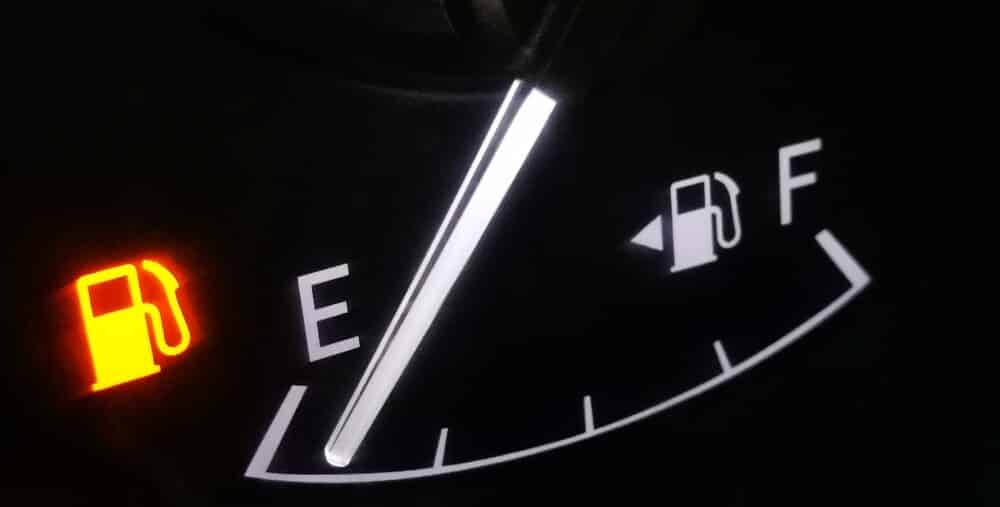
If the tank is nearly empty, fuel can move away from the pickup during turns, slopes, or hard acceleration and briefly interrupt fuel supply. A faulty gauge or fuel-level sender can also make the tank appear fuller than it is.
If the gauge reading is questionable, add fuel only after the vehicle is safely parked and you can do so without exposing yourself to traffic. If the problem continues with enough fuel in the tank, check the sender and fuel-delivery system instead of assuming the tank was empty. See our guide to fuel gauge and fuel-level sensor symptoms.
6. Engine-management or idle-control fault
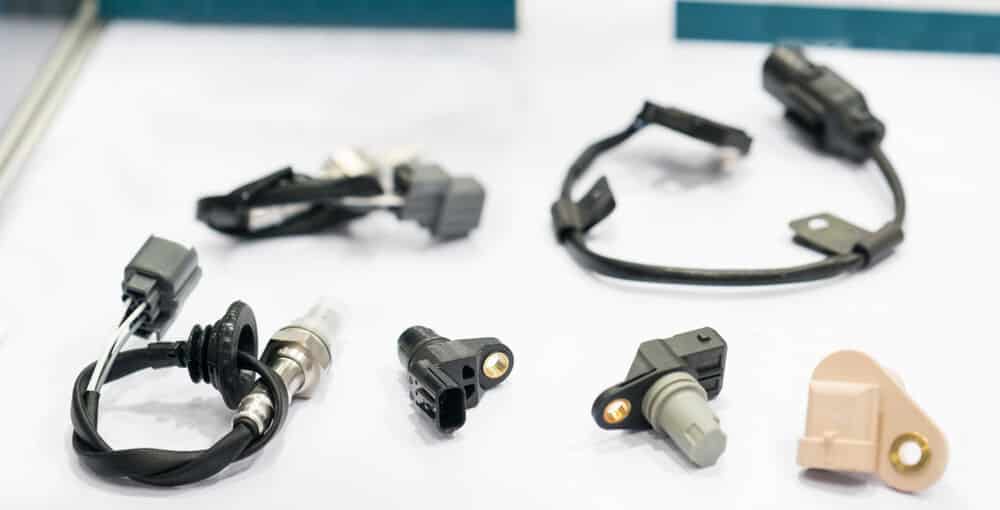
Faults involving the throttle body, air-metering sensors, wiring, or engine-control system can cause stalling. A dirty throttle body or idle-control problem is more likely to show up when slowing down or stopping than during steady highway driving. A sensor code should be treated as a lead: the sensor, its wiring, an air leak, or another engine problem could be responsible.
Scan for codes and review the relevant live data using vehicle-specific service information. If the car stalls mainly at idle, include the throttle body and idle-control system in the diagnosis. See our guides to mass airflow sensor symptoms and a lean-running engine.
How to Diagnose a Car That Shuts Off While Driving
Start with observations and test results. A stall can leave stored or pending diagnostic codes, but a code may identify a circuit or condition rather than the failed part. Do not clear codes before recording them.
1. Record what happened
Note whether the dashboard stayed on, whether the engine cranked afterward, whether it restarted immediately or only after cooling, and whether the stall happened during acceleration, turning, braking, or idling. These details help distinguish a loss of engine power from a broader electrical interruption.
2. Read diagnostic trouble codes
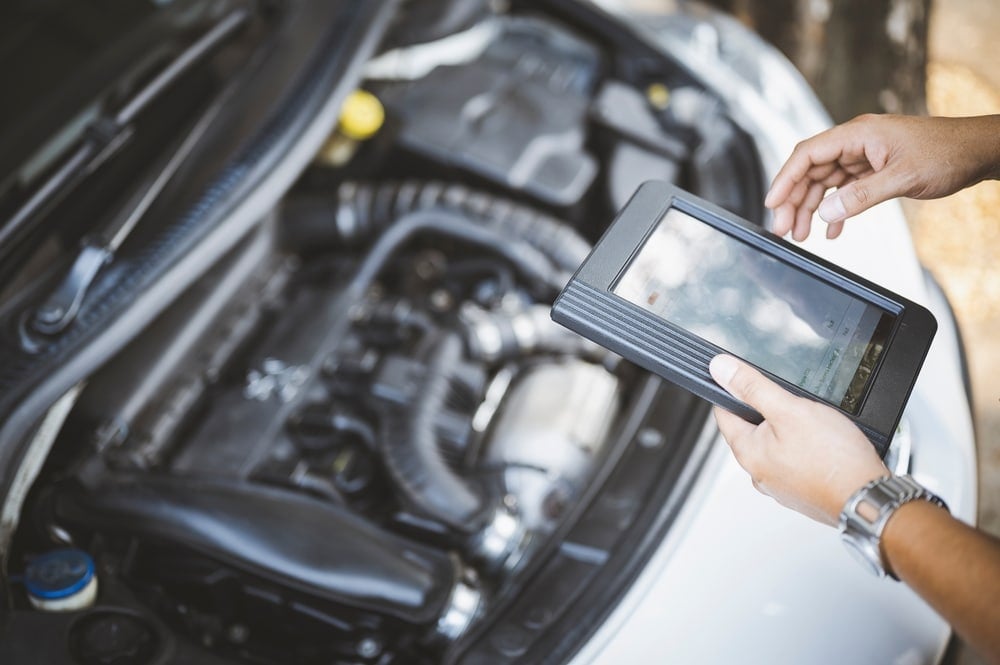
Use a scanner that can read the engine computer and, when relevant, other vehicle modules. Record current, pending, and history codes and any available freeze-frame data before clearing anything. A basic code reader may not show enhanced manufacturer information or data needed to diagnose an intermittent stall.
Use the code and test data to decide what to inspect next. For example, a crankshaft-position circuit code calls for circuit and signal checks, not automatic sensor replacement. If you do not have a suitable scanner, a repair shop can read the codes. See our guide to choosing an automotive diagnostic scan tool.
3. Confirm the fuel level and check for obvious problems
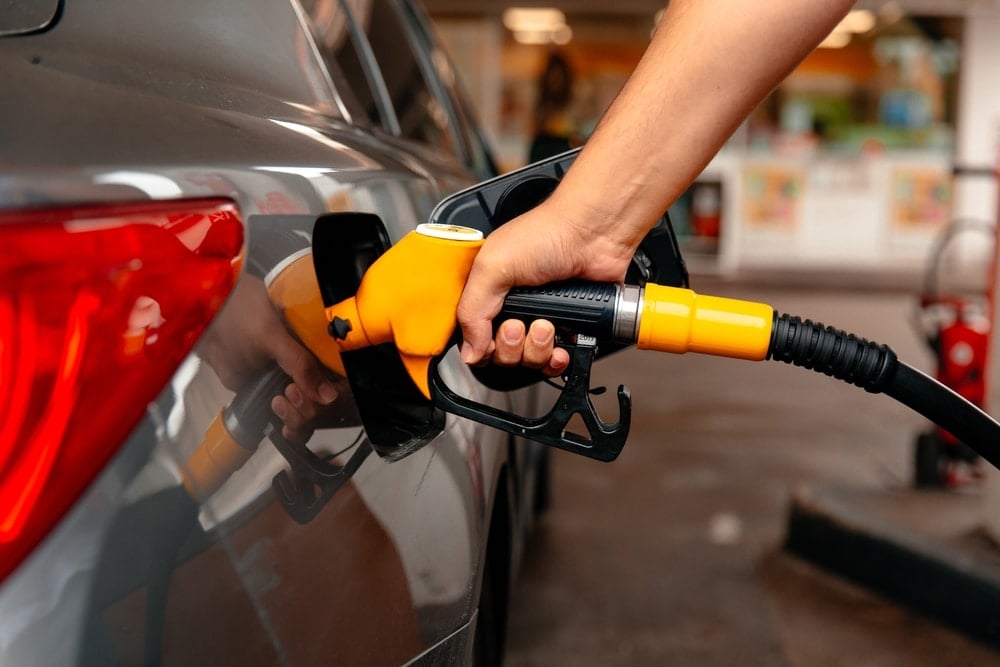
Check the fuel gauge and add fuel if the tank may be empty, but do this only when safely parked. With the engine off, look for obvious loose battery connections, damaged wiring, or fluid leaks. Do not touch or open fuel-system components if you smell fuel or see a leak. Keep sparks, flames, and smoking materials away, and get professional help.
4. Test the charging system and electrical supply
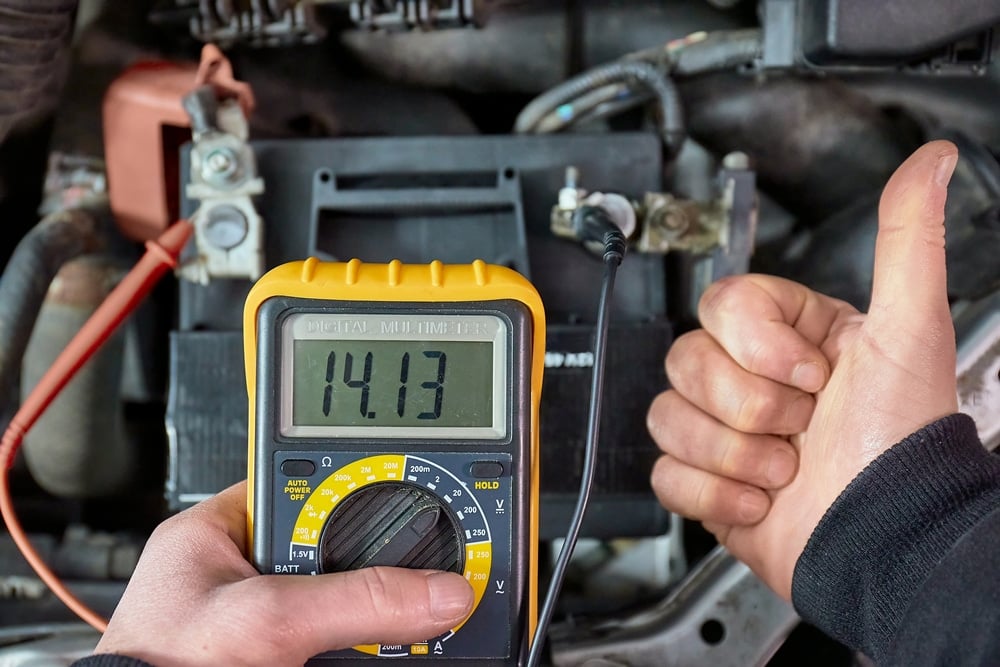
Test the battery, alternator, cables, grounds, and relevant power feeds using the correct service procedure. A dashboard that goes dark may point toward a main power or ignition-circuit interruption; dimming lights or a battery warning may support a charging-system check. Neither symptom identifies a failed part by itself.
5. Check fuel pressure and sensor data when needed
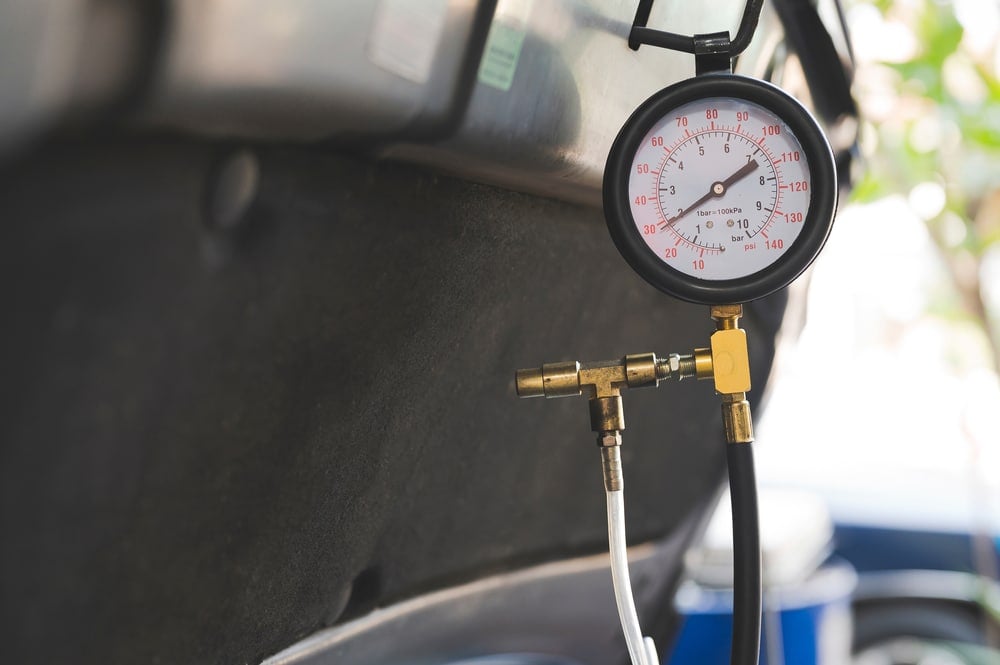
If the basic checks do not identify the cause, a technician may need to test fuel pressure or volume, inspect wiring, or monitor engine data while the fault occurs. Use the vehicle’s fuel-pressure specifications and test procedure. Do not loosen fuel lines to check for pressure; fuel may be under pressure and can ignite.
Some intermittent faults require testing when the engine is hot or while the vehicle is operating. That work should be done with the correct equipment and precautions. A repair manual for the exact vehicle can provide the required pinouts, test conditions, and specifications.
6. Get help if the cause is not clear
If the car stalls repeatedly, will not restart, has a fuel leak, or shows an overheating or oil-pressure warning, do not continue driving it. Have it towed to a repair shop. A proper diagnosis can cost less than replacing several parts that were never confirmed to be faulty.
Frequently Asked Questions
Can low oil cause a car to shut off while driving?
Low oil usually does not directly shut off the engine, but very low oil pressure can cause severe engine damage. If the oil-pressure warning comes on while the engine is running, pull over safely and shut the engine off. Check the oil level only when it is safe, and do not keep driving if the warning remains on.
Can a bad battery make a car shut off while driving?
A weak battery alone is not the most common cause of a running engine stalling, because the charging system supplies electrical power while the engine runs. A failed alternator, loose connection, damaged cable, or other electrical fault can still cause a stall. Test the complete charging and power-supply system.
Why does my car shut off when I stop?
If the engine stalls as you slow down or come to a stop, check for trouble codes and inspect the idle-control system, throttle body, air leaks, and fuel delivery as appropriate. Some vehicles also have automatic stop-start systems that intentionally turn the engine off at a stop. Check the owner’s manual to confirm how that feature behaves.
Why did my car shut off while driving and not restart?
A no-start after a stall can result from a fuel-delivery fault, loss of ignition or crankshaft signal, an electrical-power problem, or mechanical damage. Check for warning signs and record any trouble codes, but avoid repeated cranking if you smell fuel, hear unusual mechanical noises, or see an oil-pressure or overheating warning. Arrange a tow if the cause is not clear.