
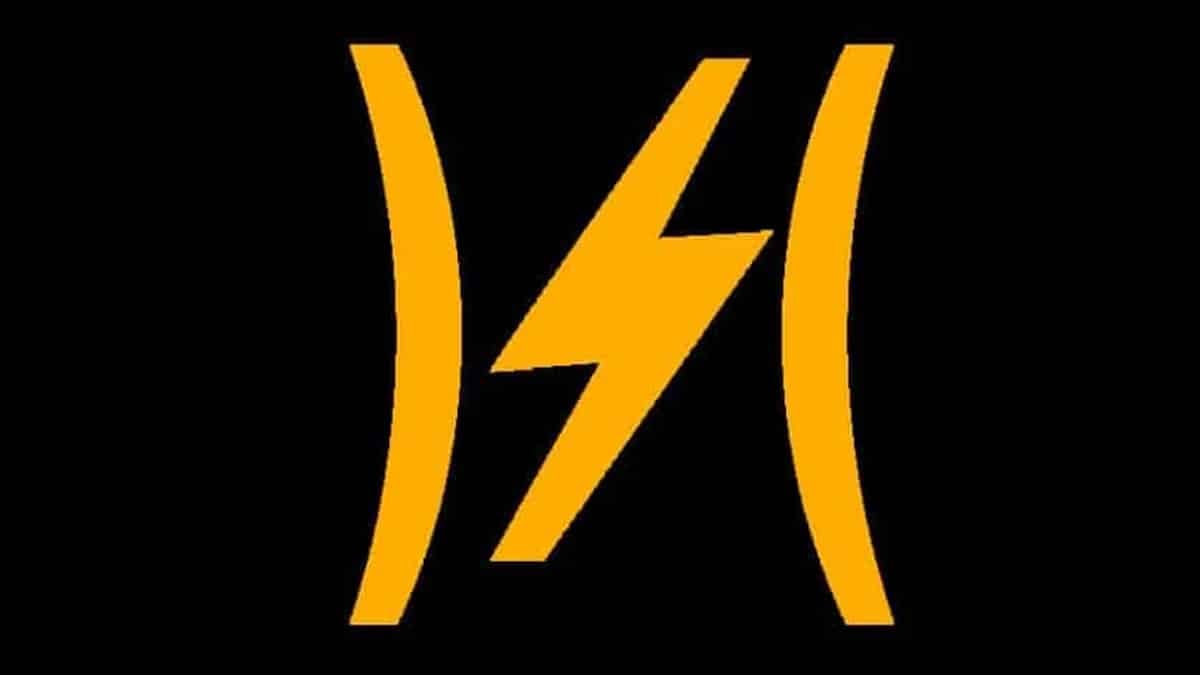
The accelerator pedal may feel simple, but an electronic throttle system relies on several parts agreeing about how far the throttle should open. A warning light can come on when those signals do not match, and the light alone will not tell you which part has failed.
What does the electronic throttle control light mean?
The electronic throttle control (ETC) warning means the vehicle has detected a fault in the system that controls or monitors engine throttle. In older vehicles, a cable connected the accelerator pedal to the throttle body. In most newer vehicles, sensors send the pedal position to the engine computer, which commands an electric motor in the throttle body.
The warning may appear by itself or alongside a check-engine light or a reduced-power message. Its name, symbol, and recommended response vary by vehicle, so check your owner’s manual for the exact meaning of the warning on your dashboard.
What can cause the throttle control light to come on?
Throttle body or throttle-position sensor fault

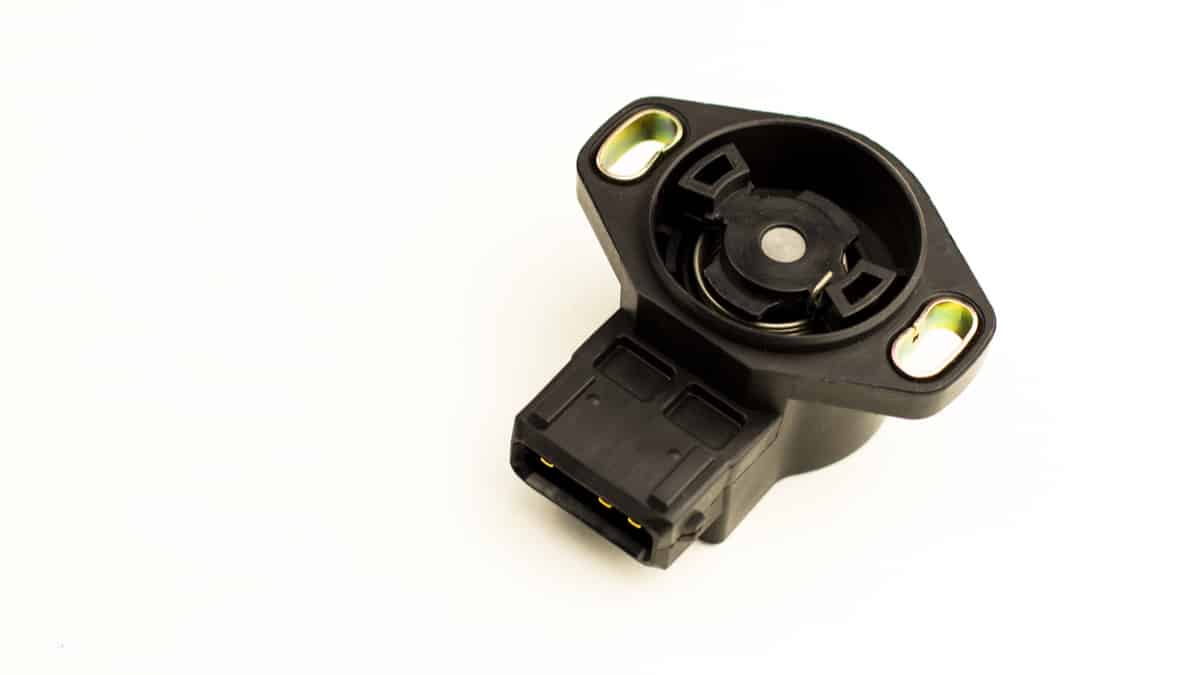
The throttle body contains an electric motor and sensors that report the throttle plate’s position. A sensor signal that is missing or does not match the computer’s expected reading can trigger a warning. Learn more about throttle body symptoms.
Carbon deposits or a mechanical problem can also interfere with throttle-plate movement. However, a warning light does not confirm that the throttle body is dirty. Do not force the electronic throttle plate open or spray cleaner into the assembly without following the vehicle-specific service procedure.

Accelerator pedal position sensor or wiring problem

The accelerator pedal position sensor tells the engine computer how far the pedal is pressed. A faulty sensor, damaged wiring, or a poor electrical connection can cause the pedal and throttle signals to disagree. See our guide to accelerator pedal position sensor symptoms.
Power supply or another engine-control fault
A low-voltage problem, wiring fault, or related engine-control issue can also affect the ETC system. The code and test results should be checked before replacing a sensor or throttle body.
Symptoms that may appear with the warning
Some vehicles may continue to run normally when the warning appears. Others may limit engine power to protect the system. Possible symptoms include:
- Reduced engine power or limited acceleration
- Delayed or inconsistent response when pressing the accelerator
- Rough idle or stalling
- A check-engine light or a reduced-power message
These symptoms can have causes unrelated to the throttle system, so they need to be diagnosed rather than matched to a part by appearance alone.
Is it safe to drive with the throttle control light on?
Base your decision on how the vehicle responds and on the instructions in its owner’s manual. If acceleration is unpredictable, the engine stalls, or the vehicle cannot keep up safely with traffic, move out of traffic when safe, stop, and arrange assistance.
If the vehicle responds normally and there is no message telling you to stop, the manual may allow you to continue cautiously to a safe destination or repair shop. Avoid situations that require quick acceleration, and have the fault checked as soon as practical. Do not assume this guidance applies to every make and model.
For example, Ford describes its powertrain/reduced-power/electronic-throttle warning as requiring the system to be checked as soon as possible. Some Chevrolet manuals say a driver may proceed to the destination when a reduced-engine-power message appears without a noticeable performance change. Follow the manual for your specific vehicle.
How to diagnose the warning
- Read the diagnostic codes. Use a scanner that can access the engine computer and, when needed, manufacturer-specific data. Record the codes and freeze-frame information before clearing anything.
- Inspect for an obvious connection or wiring issue. With the vehicle off, look for loose or damaged connectors and wiring around the accelerator pedal and throttle body. Do not unplug components with the ignition on.
- Test the system indicated by the codes. A technician may compare pedal and throttle-position readings, check wiring and power supply, and verify that the throttle actuator moves as commanded.
- Repair the confirmed fault and verify the result. Some vehicles require a throttle relearn or calibration after a repair. Follow the manufacturer’s procedure, then confirm that the warning stays off and throttle response is normal.
A basic code reader can point to a circuit or sensor range, but the code alone does not confirm that the named sensor is defective. See our guide to automotive diagnostic scan tools for more information about scanner capabilities.
Can you reset the throttle control light?
Clearing the code does not repair the cause, and the warning may return. Diagnose and correct the fault first, then clear the code and complete any required relearn procedure. Avoid disconnecting the battery as a generic reset method because it may erase useful diagnostic information or require other vehicle settings to be restored.
How much does it cost to fix the ETC warning?
The repair cost depends on what caused the warning and how the vehicle’s throttle system is designed. A wiring repair, pedal sensor, throttle-body service, or complete throttle-body replacement can involve very different parts and labor. Get the fault diagnosed before approving a parts replacement, and ask whether the estimate includes any required calibration or relearn.
FAQ
Can the throttle control light turn off by itself?
It may go out if the fault is intermittent, but the diagnostic code may remain stored. Have the cause checked if the warning returns or the vehicle’s performance changes.
Is the throttle control light the same as the check-engine light?
No. They are different warnings, although a throttle-system fault may turn on both. The exact lights and messages depend on the vehicle.
Does a flashing throttle control light always mean the same thing?
No single meaning applies to every vehicle. Check the owner’s manual for the light pattern and any related dashboard message, then diagnose the stored codes.