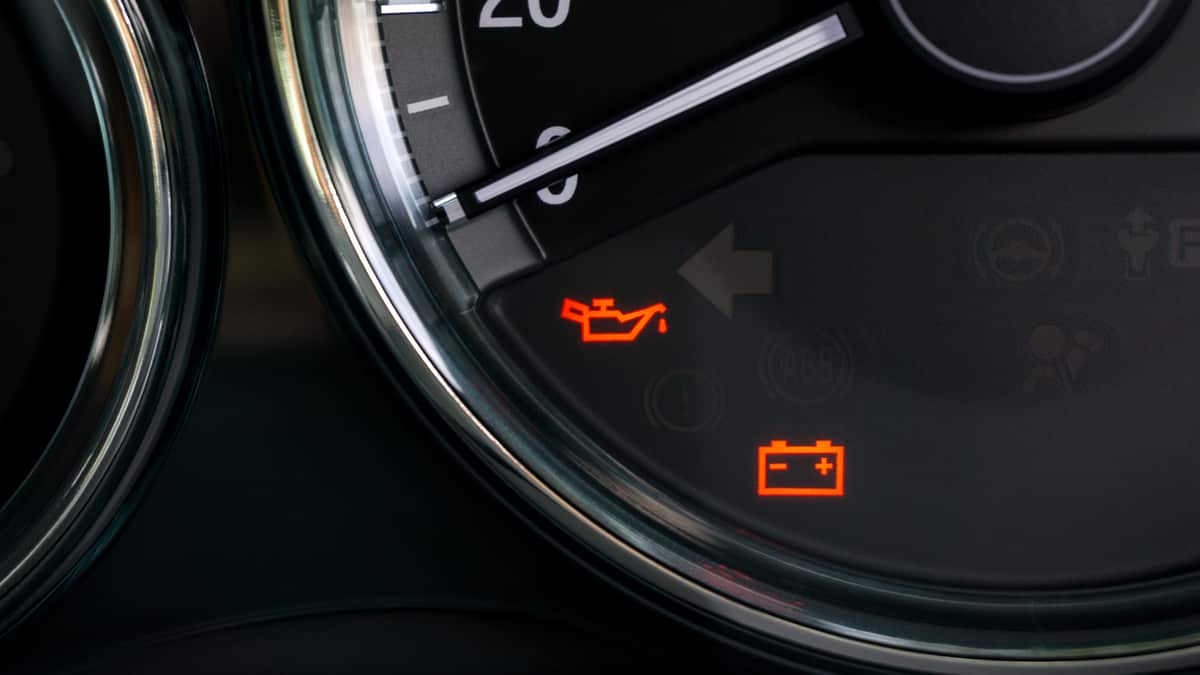

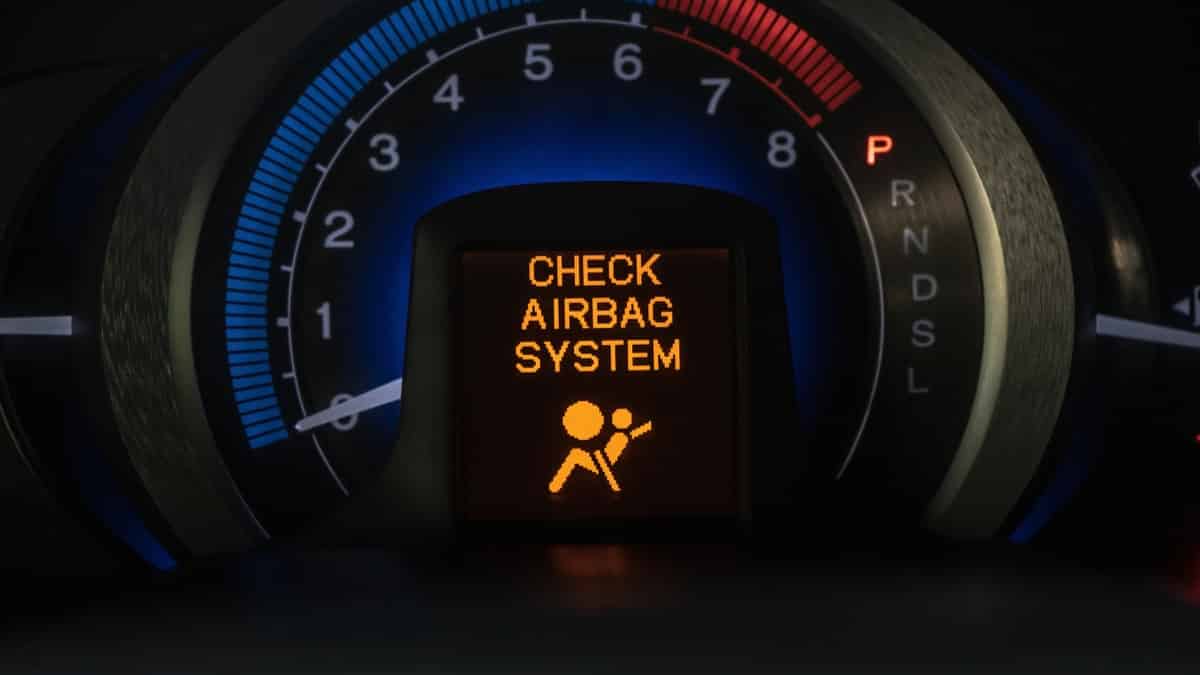
The SRS warning can appear even when the car seems to drive normally. That does not tell you whether the airbags and seat-belt pretensioners are ready to work. The system needs to be scanned to find out what triggered the light.
SRS means Supplemental Restraint System. It describes safety equipment that works with the seat belts, including airbags and, in many vehicles, seat-belt pretensioners. The exact system varies by model.
What Does the SRS Light Mean?
The SRS light means the restraint system has detected a fault or is not passing one of its checks. It does not identify the failed part, and it does not prove that every airbag has been disabled. Depending on the fault and the vehicle, one or more airbags, sensors, or seat-belt pretensioners may be affected.
The warning may appear as “SRS,” “Airbag,” or an icon showing a seated person with an airbag. Many cars briefly illuminate the light during startup as a system check. If it stays on, flashes, or appears while driving, check the owner’s manual and have the system scanned.
For the related question of driving with the warning illuminated, see our separate guide: Is It Safe to Drive With the Airbag Light On?
What Can Trigger the SRS Light?
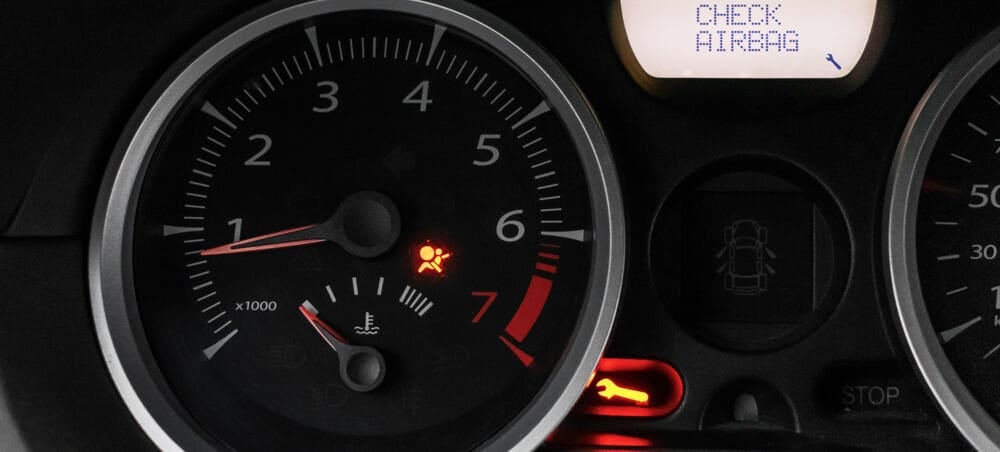
The warning can be triggered by a fault in different parts of the system. The stored SRS code is the starting point for diagnosis. These are possible causes, not a parts-replacement list.
Seat-Belt Buckle or Pretensioner Fault
The SRS monitors seat-belt components, which can include buckle switches and pretensioners. A fault may come from the component, its wiring, or a connector. You can check for obvious debris in a buckle, but do not insert tools or spray cleaners into it.
Passenger Occupancy Sensor or Seat Wiring
Many vehicles use sensors in the passenger seat to determine whether the seat is occupied and how the restraint system should respond. A sensor, wiring, or connector fault may trigger the warning or affect the passenger-airbag status. Avoid moving or unplugging connectors under a seat while troubleshooting an SRS fault.
Airbag Sensor or Wiring Problem
Crash sensors and their wiring are installed in different areas of the vehicle. Corrosion, damaged wiring, a loose connection, or a failed sensor can set a fault. Water intrusion or previous collision repairs can also make wiring and connections worth checking during diagnosis.
Damaged Clockspring

The clockspring maintains electrical connections to components in the steering wheel as it turns. A clockspring fault can affect the driver’s airbag circuit and may also cause other steering-wheel controls to stop working. The stored codes and vehicle-specific tests are needed to confirm the cause.
Low Voltage, Previous Collision, or SRS Module Fault
Some vehicles can store restraint-system faults after a low-voltage event, but a weak battery does not explain every SRS warning. A previous collision, deployed component, incorrect repair, damaged wiring, or module fault may also be involved. Do not assume the SRS module has a replaceable backup battery or replace the module without confirming the fault and following the service procedure.
To learn more about one part of the system, see our guide to airbag sensor symptoms.
How to Diagnose an SRS Warning
A basic engine-code reader may not access the airbag module. Use a scan tool that supports the vehicle’s SRS system, or have a repair shop read the codes. Save the codes and any related information before clearing anything.
- Check the owner’s manual. Confirm what the warning means for your vehicle and follow its safety guidance.
- Note when the light appears. Record whether it stays on after startup, flashes, or appeared after a repair, a low-battery event, water exposure, or collision.
- Scan the SRS module. Read the exact stored codes with a compatible scan tool. A generic engine-code scan may not be enough.
- Follow the vehicle-specific diagnostic test. Test the affected circuit or component using the manufacturer’s procedure before replacing parts.
- Repair the confirmed fault, then clear and retest. Use the correct procedure and verify that the warning goes out and does not return.
Airbag inflators, pretensioners, and their wiring require specific safety procedures. Do not probe SRS wiring with a test light or ordinary meter, apply power to an airbag connector, or unplug components as a test. If you do not have the proper service information and equipment, leave the diagnosis and repair to a qualified technician.
Can You Reset the SRS Light?
The warning should be cleared only after the cause has been diagnosed and repaired. A scan tool that can access the SRS module is usually needed. Disconnecting the battery may not clear the fault and can create other issues, depending on the vehicle.
Clearing a code without fixing the cause does not restore the system. If the warning returns, scan it again and continue diagnosis rather than repeatedly erasing the code.
See our guide to reading trouble codes for a general explanation of diagnostic codes. SRS faults require a scanner and procedures that specifically support the airbag system.
How Much Does It Cost to Fix an SRS Light?
There is no single repair cost for an SRS warning. The price depends on the stored fault, the part or wiring involved, and the vehicle. Diagnosis may be the only cost if the issue is a connection or another simple fault; replacing a sensor, clockspring, airbag, pretensioner, or module can cost considerably more.
Ask the shop to identify the stored code, explain the test that confirmed the failure, and provide an estimate before authorizing replacement parts.
FAQ
What does SRS stand for?
SRS stands for Supplemental Restraint System. It includes safety components such as airbags and, depending on the vehicle, seat-belt pretensioners. These systems are designed to work with seat belts.
Does an SRS light mean all airbags are disabled?
Not necessarily. The effect depends on the fault and the vehicle. One or more restraint features may not work as intended, so do not assume that all airbags will either deploy or remain disabled. The SRS codes and service information are needed to determine what is affected.
Can a weak car battery cause the SRS light to come on?
A low-voltage event can trigger a stored fault on some vehicles, but the warning can have many other causes. Scan the SRS module and follow the code-specific test rather than assuming the battery is responsible.
Can I clear the SRS code with a regular OBD2 scanner?
Many basic OBD2 scanners only read engine-related codes and cannot access the SRS module. Check the scanner’s supported systems or use a repair shop with a scan tool that supports your vehicle’s airbag system.
Should I disconnect the battery before working on an airbag?
Do not rely on a general battery-disconnection rule for SRS work. The required steps and wait time vary by vehicle. Follow the exact service procedure, or have a qualified technician perform the work.
Have the SRS warning diagnosed promptly. The code can identify which part of the system needs attention, and clearing the light without repairing the fault will not confirm that the restraint system is ready to work.