

A catalytic converter delete means removing the converter or otherwise disabling it. People sometimes expect more horsepower or better fuel economy, but removing a functioning converter usually does not provide a meaningful benefit on a standard road car. It increases emissions and can cause warning lights, inspection problems, and legal trouble.
If your converter seems restricted or has triggered a warning light, find out why before replacing or modifying anything. A converter can fail because of another engine or exhaust problem, and that same problem could damage a replacement.
Mechanic’s Take
My recommendation is to keep the emissions equipment installed. If a converter is damaged or restricted, diagnose the underlying cause and replace it with a part that complies with the requirements for your vehicle and location. A delete does not fix the reason the converter failed.
What Is a Catalytic Converter Delete?
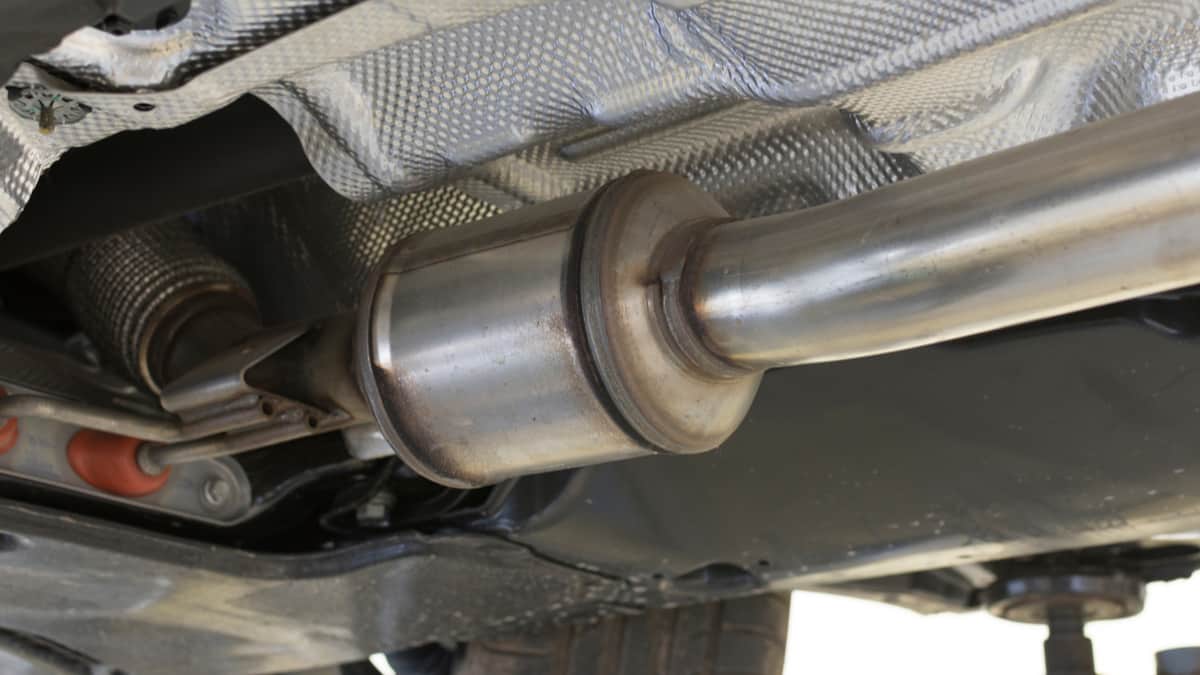
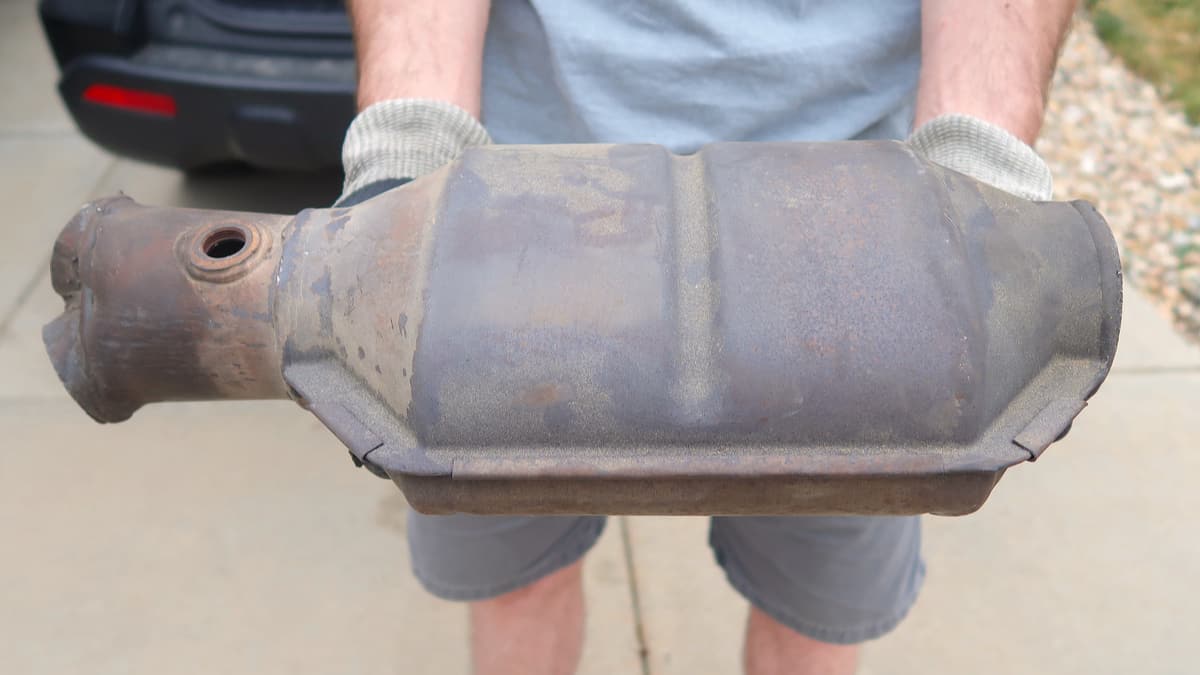
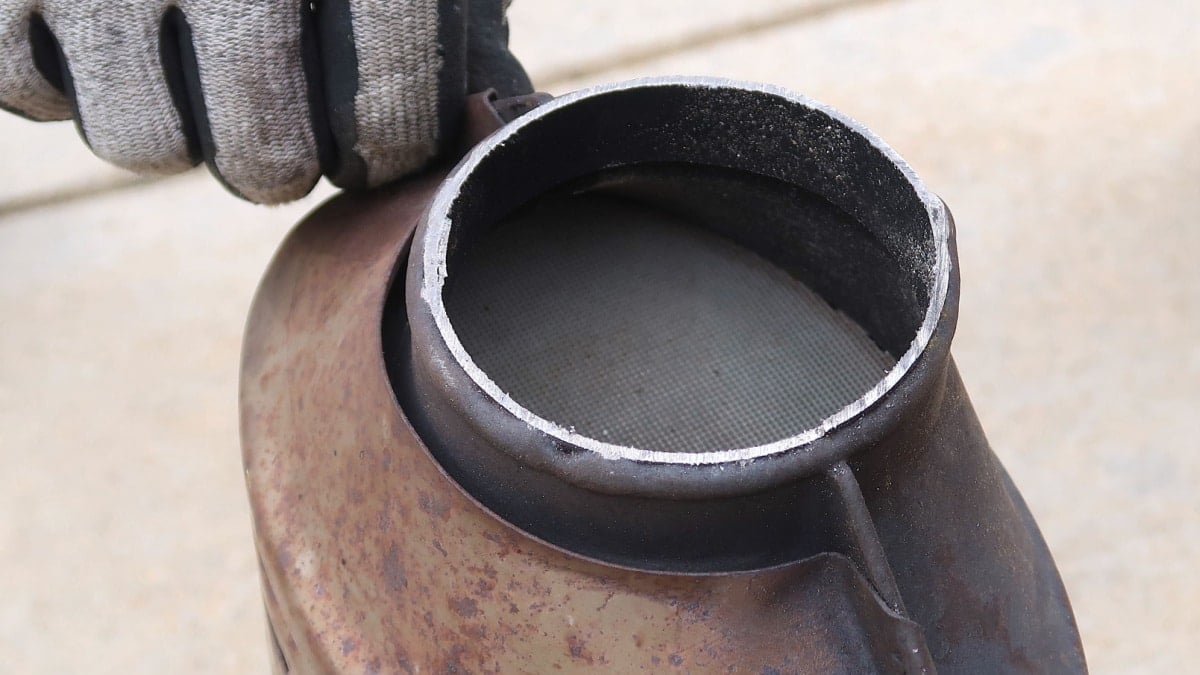
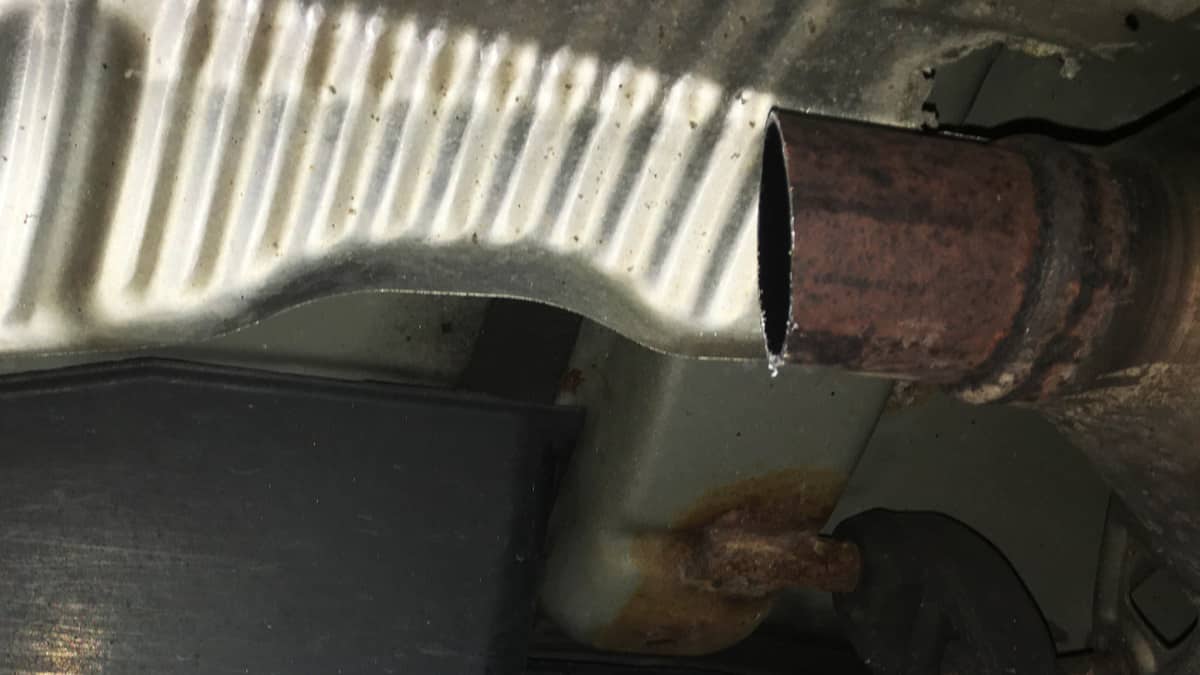
A catalytic converter delete is the removal of a vehicle’s catalytic converter. The converter may be removed and replaced with a section of exhaust pipe, or the vehicle’s emissions controls may be altered so the system no longer works as designed.
Some people also try to suppress the warning light that can follow a delete. That does not restore the emissions system or make the vehicle compliant. I won’t explain how to bypass the sensors or emissions controls.
Does Removing the Converter Improve Performance?
Claims about a converter delete often include more horsepower, lower engine temperatures, and better fuel economy. Those are not reliable results on a properly functioning standard vehicle. Removing a working converter by itself is unlikely to solve a performance or fuel-consumption problem.
A converter that is severely restricted can reduce engine performance. In that case, the restriction needs to be diagnosed and repaired. Removing emissions equipment is not the proper repair, and a new converter may fail again if the cause is left unresolved.
What Are the Downsides?
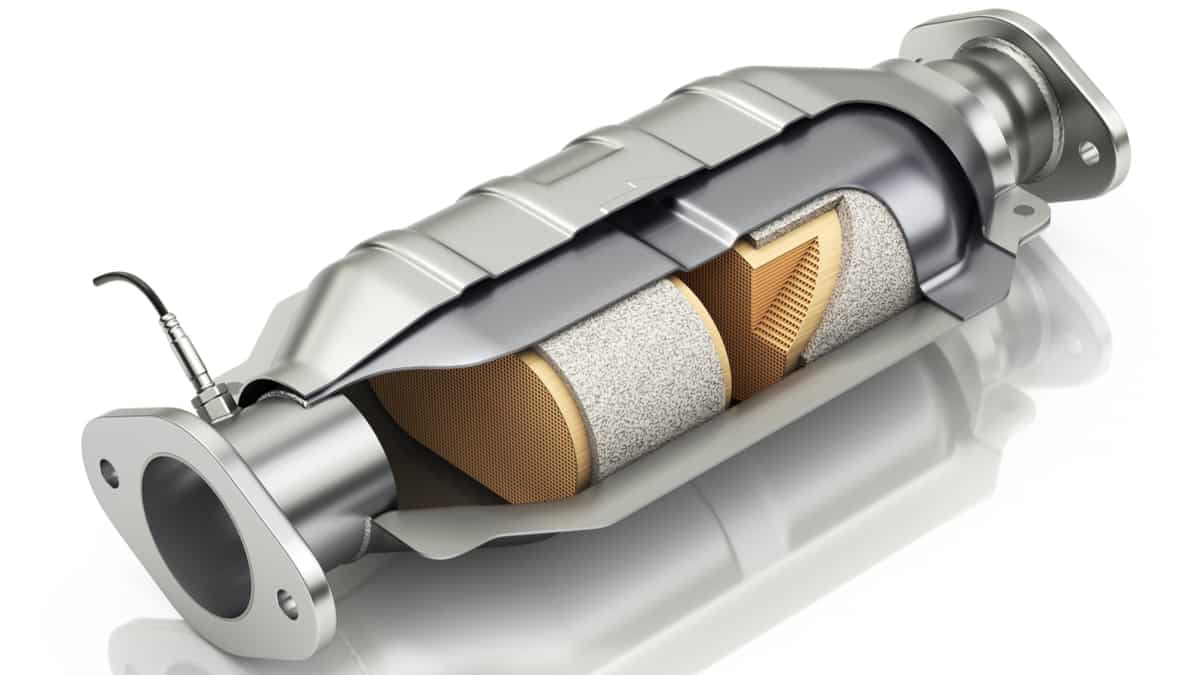
- More harmful exhaust emissions: The converter reduces pollutants in the exhaust. Removing it allows more of those pollutants to leave the tailpipe.
- Check-engine light or fault codes: The engine computer monitors emissions-system operation. A missing or altered converter can trigger a fault, such as a catalyst-efficiency code.
- Inspection problems: The vehicle may fail an emissions inspection or an inspection that checks for required equipment.
- Legal and resale issues: Emissions tampering may violate applicable laws, and a buyer or repair shop may reject a vehicle with missing or disabled equipment.
- More exhaust noise or odor: The change depends on the vehicle and exhaust setup, but the exhaust may sound louder or smell stronger.
A code such as P0420 does not prove by itself that the converter is clogged or that it should be removed. Read the codes and check for other problems first. See our guide to catalytic converter symptoms for signs that may help with diagnosis.
Is a Catalytic Converter Delete Legal?
In the United States, federal law prohibits knowingly removing or rendering inoperative emissions equipment that was installed to comply with federal requirements. The EPA identifies removing catalysts from a vehicle’s emissions system as tampering. State and local rules, including inspection requirements, may also apply. Laws differ outside the U.S., so check the rules where the vehicle is registered and driven.
Do not assume a vehicle is exempt because it is used off-road or for racing. The EPA says the Clean Air Act has no general exemption for vehicles used only off-road or in competition, though its enforcement approach can differ for a vehicle permanently converted for competition use. Get jurisdiction-specific legal guidance before making changes.
Can You Drive Without a Catalytic Converter?
A vehicle may still run after its converter is removed, but that does not mean it is legal or suitable to drive on public roads. It may set fault codes, fail an emissions inspection, produce more pollution, or have changes in exhaust sound and performance.
If your converter is missing or damaged, check the local requirements and have the emissions system repaired with a compliant part. Read more in our guide to driving without a catalytic converter.
What to Do if You Think the Converter Is Failing
Start by diagnosing the vehicle instead of deleting or replacing parts based on one symptom or code:
- Read all diagnostic trouble codes and freeze-frame data. A catalyst-efficiency code is a reason to investigate, not proof that the converter itself has failed.
- Check for problems that can damage a converter. Misfires, incorrect fuel mixture, or oil or coolant entering the exhaust can overheat or contaminate the catalyst.
- Inspect the exhaust system. Look for leaks, physical damage, loose parts, or signs of overheating. Follow the vehicle’s service procedure for checking a suspected restriction.
- Repair the root cause first. Otherwise, the original problem may damage a replacement converter.
- Verify the repair. Confirm the fault does not return, the emissions monitors complete as required, and the vehicle passes any required inspection.
For more help, see our guides to symptoms of a failing catalytic converter and catalytic converter replacement cost.
FAQ
Will removing a catalytic converter add horsepower?
It is not a dependable way to add power to a standard vehicle. If a restricted converter is limiting performance, diagnose and repair the restriction using a compliant replacement rather than removing the emissions equipment.
Will a catalytic converter delete improve fuel economy?
There is no reliable fuel-economy benefit from removing a properly functioning converter. If fuel economy has dropped, diagnose the engine and emissions system instead of deleting a component.
Will removing the converter turn on the check-engine light?
It can. The engine computer monitors emissions-system operation, and removing or altering the converter can trigger a fault code. Trying to hide the code does not fix the emissions system.
What should I do if my catalytic converter is clogged?
Confirm the restriction using the vehicle’s diagnostic procedure, then find and repair the cause. If the converter needs replacement, use a compliant part approved for the vehicle and location.