

The tire pressure warning system can work differently from one vehicle to another. Some cars use sensors inside the wheels, while others compare wheel speeds. Knowing that helps explain why the light may stay on after you add air or appear after tire service.
What does the tire pressure light mean?
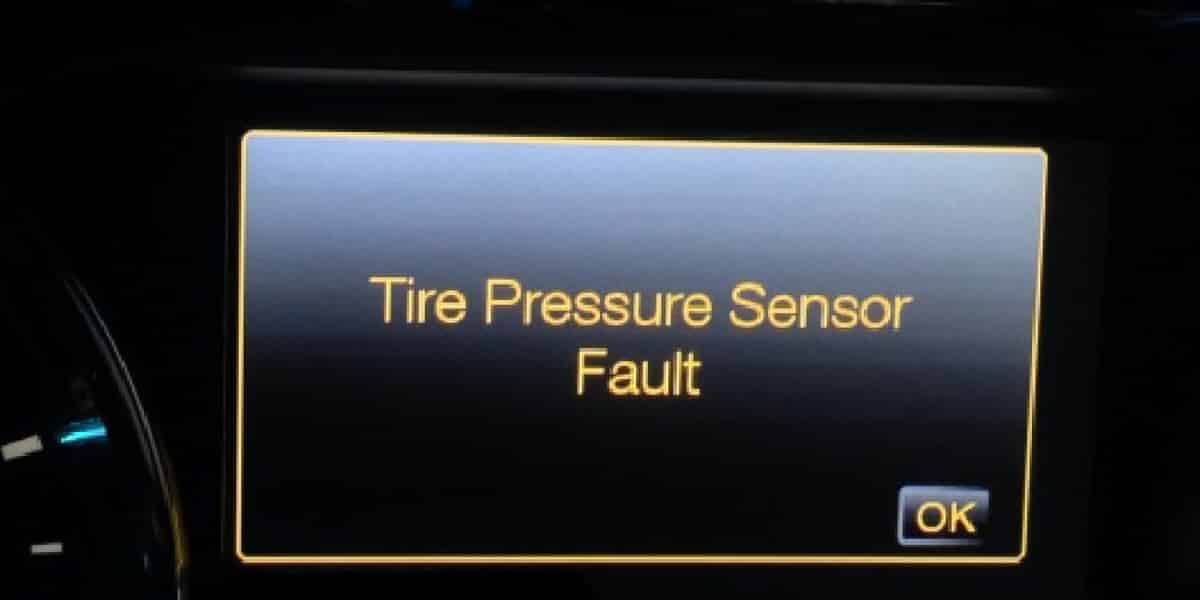
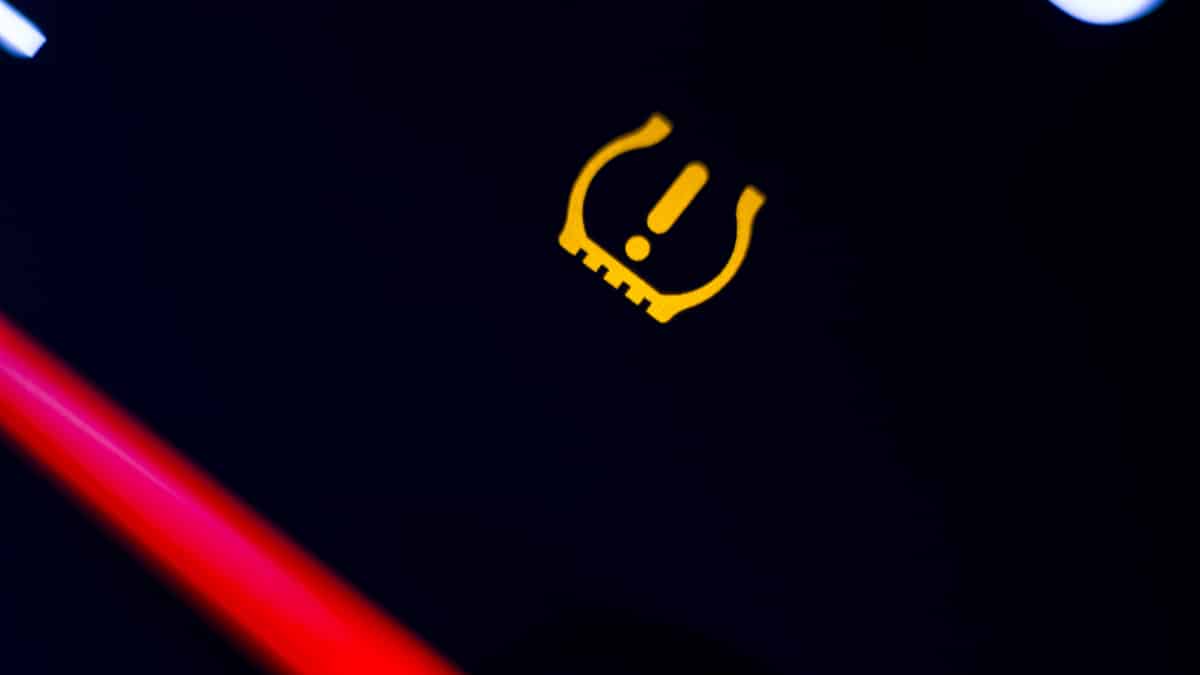
The tire-shaped warning light usually means the system has detected that one or more tires are significantly underinflated. On some vehicles, a flashing light or a warning message can indicate a TPMS malfunction instead. Check the owner’s manual for how your vehicle displays each warning.
A TPMS may measure pressure with sensors in the wheels, or estimate it by comparing wheel speeds with the vehicle’s other systems. The display may identify which tire is low, but many vehicles show only the warning symbol. The light does not replace checking the tires with a pressure gauge.
What to do when the light comes on
- Stop somewhere safe and check the tires. Look for a visibly flat tire, damage, or a tire losing air.
- Measure the pressure in each tire. Check when the tires are cold if possible, and use an accurate gauge.
- Compare the readings with the vehicle’s recommended pressure. Find it on the driver’s door-jamb label or in the owner’s manual. Do not use the maximum pressure printed on the tire sidewall as the target.
- Inflate tires that are low. If a tire is damaged or losing air quickly, do not continue driving on it. Arrange a repair or roadside help.
- Follow the TPMS procedure in the owner’s manual. Some vehicles update automatically after driving; others require calibration or initialization after pressure changes or tire service.
- Get the system checked if the warning remains or returns. A TPMS-capable tool may be needed to identify a sensor or system fault.

See our guide to finding the correct tire pressure if you are unsure what value to use. The recommended pressure can differ between the front and rear tires and may change with the vehicle’s load.
Common reasons the tire pressure light comes on
One or more tires are underinflated

This is the first thing to check. A tire can lose air through a puncture, a leaking valve, a damaged wheel, or a bead leak. Pressure can also change as temperatures drop. If one tire is repeatedly low, have it inspected for a leak instead of continuing to add air without finding the cause.
A TPMS sensor has failed or is not communicating

In a direct TPMS, each monitored wheel has a pressure sensor that sends information to the vehicle. A sensor can be damaged during tire service or stop transmitting when its internal battery fails. Read more about TPMS sensor symptoms.
The system needs calibration or a sensor relearn

After a pressure adjustment, wheel rotation, tire replacement, or sensor replacement, some vehicles require a calibration or relearn. The required step depends on the TPMS design and the work performed. Calibration and sensor registration are not the same procedure, so follow the instructions for your exact vehicle.
If the light came on right after tire service, contact the shop and explain what work was done. They can check that the sensors communicate and that the correct relearn or calibration procedure was completed.
There is a TPMS system fault
A TPMS warning can flash at startup and then stay on when the system detects a malfunction. A failed sensor is one possibility, but a scan may also point to another system or communication problem. The light’s behavior varies by vehicle, so check the manual and have the TPMS scanned if the pressure is correct and the warning remains.

Not every engine-code reader can access the TPMS module or activate wheel sensors. A tire shop or repair shop may need a TPMS-compatible scan tool to read the fault and complete the required relearn.
Why the light may stay on after adding air
First, recheck every tire with a gauge. One may still be below the recommended pressure, or a slow leak may have caused it to lose air again. If the pressures are correct, your vehicle may need its specified calibration procedure, or the TPMS may have a fault.
There is no reset method that works on every vehicle. Do not deflate the tires, disconnect the battery, or drive at a particular speed just to force the light off. Follow the owner’s manual. For vehicle-specific reset guidance, see how to reset the tire pressure light.

Is it safe to drive with the tire pressure light on?
Check the tires as soon as it is safe to stop. If a tire is visibly flat, damaged, or losing air quickly, do not drive on it. If the pressures are correct but the light indicates a TPMS fault, you may not receive a reliable low-pressure warning until the system is repaired. Check the tires manually and arrange diagnosis.
For the difference between a low-pressure warning and a system fault, see why the tire pressure light blinks and what “Service Tire Monitor System” means.
Frequently asked questions
Can cold weather turn on the tire pressure light?
Yes. Tire pressure can drop as the temperature falls, which may bring one or more tires below the warning threshold. Check the pressure when the tires are cold and adjust it to the value on the vehicle’s door label or in the owner’s manual.
Why is the light on when the tires look fine?
Underinflation can be difficult to see, so check each tire with a gauge. If the pressures are correct, the vehicle may need calibration or have a sensor or TPMS fault. Scan the TPMS rather than assuming the light is false.
Does replacing the car battery fix the tire pressure light?
Replacing the vehicle battery is not a general fix for a tire pressure warning. If the light appeared after battery work, check the tire pressures and scan the TPMS. Do not replace the battery based on this warning alone.