
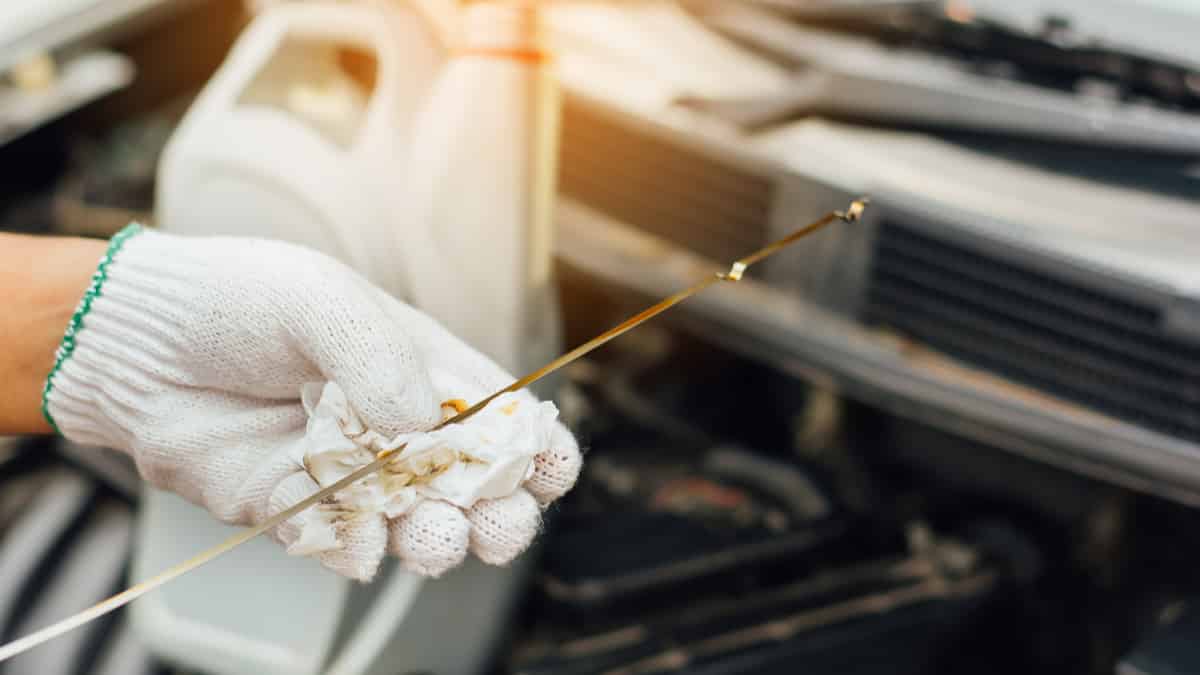
Transmission fluid level checks can be surprisingly easy to get wrong. The required temperature, engine position, and checking method vary by vehicle, so a reading taken the wrong way can make a normal level look too high.
What happens if you overfill transmission fluid?
If the fluid is above the specified range, moving parts can churn it and cause foaming. Depending on the transmission, excess fluid may also escape through a vent or overflow. Foaming, fluid loss, or an incorrect level can contribute to poor shifting, overheating, or damage.
The risk depends on the transmission design and how far the level is above its specified range. There is no reliable rule that a certain number of quarts is safe across all vehicles. A high reading also does not prove the transmission is damaged, or even that it was overfilled: fluid temperature and the checking procedure can affect the reading.
Possible signs of an overfilled transmission
An overfilled transmission may show no obvious symptoms. If problems do appear, they can include:
- Delayed, harsh, or inconsistent shifting
- Slipping or difficulty engaging a gear
- Fluid coming from a vent or overflow
- A transmission temperature warning, if the vehicle has one
These signs can also have other causes. For example, a fluid leak does not by itself confirm an overfill. If you notice shifting problems, check the vehicle’s low transmission fluid symptoms guide for related signs, but have the level and cause diagnosed before adding or removing fluid.
How to check the transmission fluid level
Use the owner’s manual or vehicle-specific service information for the exact procedure. Depending on the vehicle, the check may require a particular fluid temperature, a level surface, the engine running or switched off, or moving the shifter through the gears first.
Some vehicles have a dipstick. Others do not, and may require the vehicle to be level on a lift while a technician checks the fluid through a service or overflow opening. Do not assume that a generic “warm up the engine and pull the dipstick” procedure applies to your car.

Also use only the fluid specification listed for your vehicle. The wrong fluid or an incorrect level check can create new shifting problems. If the procedure requires a scan tool, a specified temperature range, or access underneath the vehicle, have a qualified technician perform the check.
What to do if the transmission is overfilled
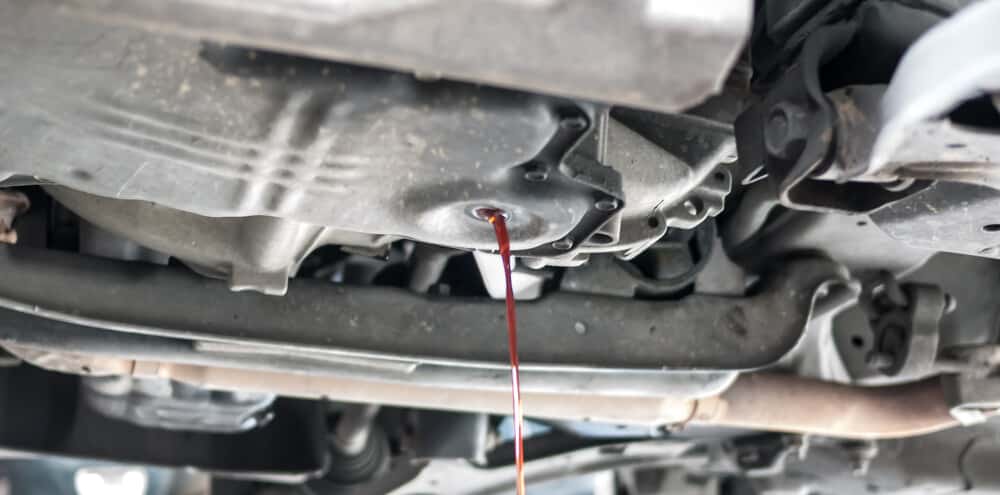
First, confirm the level using the correct vehicle-specific procedure. If it is above the specified range, arrange to have the excess removed using the method designed for that transmission. Some vehicles allow fluid to be extracted through a dipstick tube; others require a different service procedure.
Do not loosen a transmission plug or drain fluid based on guesswork. The plug may not be a drain, and removing fluid without following the correct procedure can leave the transmission underfilled. If you are unsure how the system is checked or serviced, have a repair shop verify and correct the level.
If the transmission is slipping, will not engage a gear, makes unusual noises, or displays a temperature warning, pull over when safe and shut the vehicle off. Arrange an inspection or tow rather than continuing to drive and risking further damage.
After the level is corrected, check it again using the same specified procedure. Look for leaks and confirm that shifting is normal. If the symptoms continue, the transmission needs further diagnosis; correcting the fluid level may not resolve an existing problem.
For related checks, see our guides to transmission fluid leaks and what transmission fluid color can indicate.
FAQ
Is a small transmission-fluid overfill safe?
There is no universal amount that is safe for every transmission. Confirm the level using the correct procedure for your vehicle, then correct it if it is above the specified range.
Can an overfilled transmission fail?
An incorrect fluid level can cause shifting concerns and may contribute to damage. It does not mean the transmission will fail immediately, but the level should be checked and corrected promptly.
Can I remove excess transmission fluid at home?
Only follow a removal method specified for your vehicle and only after confirming the level correctly. Many transmissions require a temperature-specific procedure or access underneath the vehicle, so a repair shop may be the safer option.